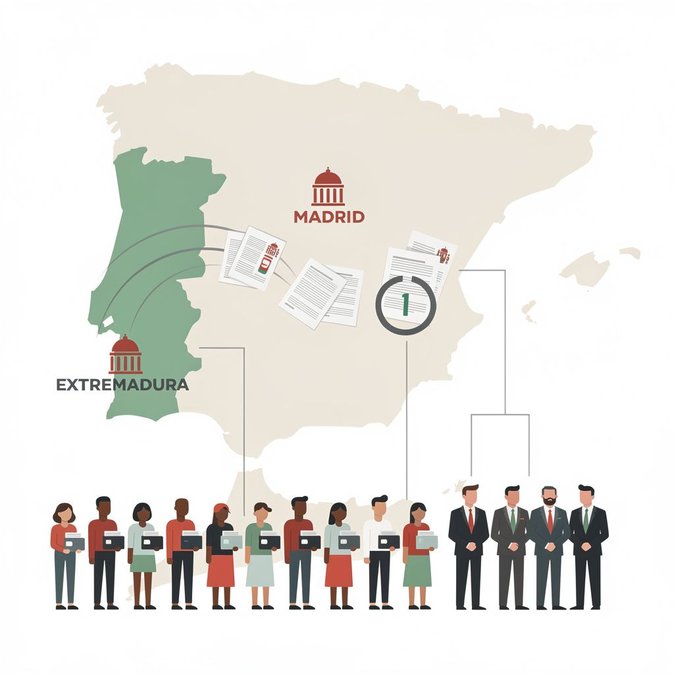
Real-estate portal Idealista published an in-depth legal guide on 22 July explaining how foreign nationals can obtain Spain’s Número de Identidad de Extranjero (NIE) in 2026, complete with updated fees (€9.84), appointment lead-times and a comparison of in-country, consular and representative application channels. Although not a policy change, the article is significant for mobility professionals because NIE numbers underpin virtually every relocation task: property purchase, payroll registration, tax filings and bank onboarding. The guide, fact-checked against National Police and Ministry of the Interior sources on 21 July, clarifies that the official five-day decision period starts only after the application enters the competent register—an omission that causes many newcomers to underestimate timelines. Practical checklists walk applicants through Form EX-15, Tasa 790 code 012 and the evidence required to justify economic, professional or social ties to Spain. Common errors—such as relying on a general power of attorney that lacks explicit NIE authority—are flagged, and sample budgets show how private service providers price “basic,” “priority” and “VIP” remote-application packages. For HR teams the piece is a handy onboarding resource: it stresses that an NIE is an identifier, not a residence permit, and must be paired with the appropriate visa or TIE in work assignments. The article also warns that appointment scarcity persists in hotspots like Madrid and Barcelona; companies should therefore secure bookings as soon as a relocation decision is taken. By codifying best practice in a shareable format, the guide will likely reduce administrative friction for the thousands of foreign employees, investors and retirees entering Spain’s property and labour markets each year.
Source: Idealista/news