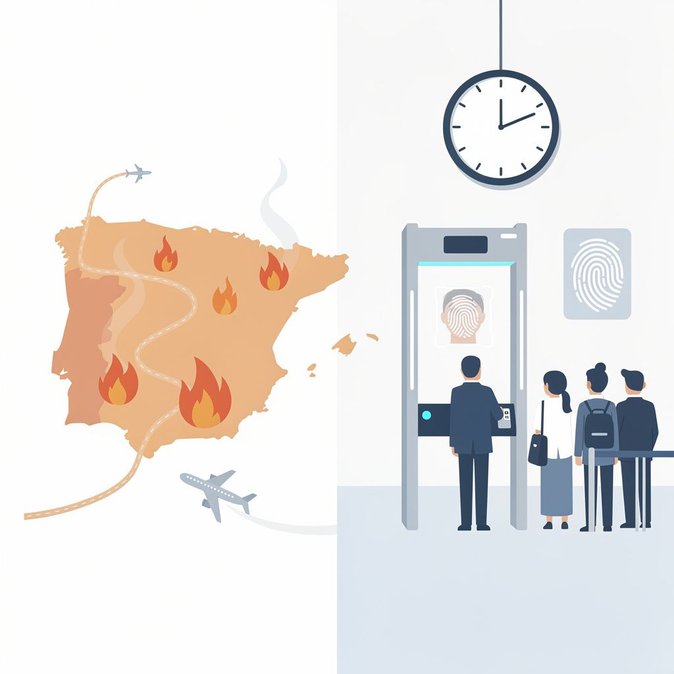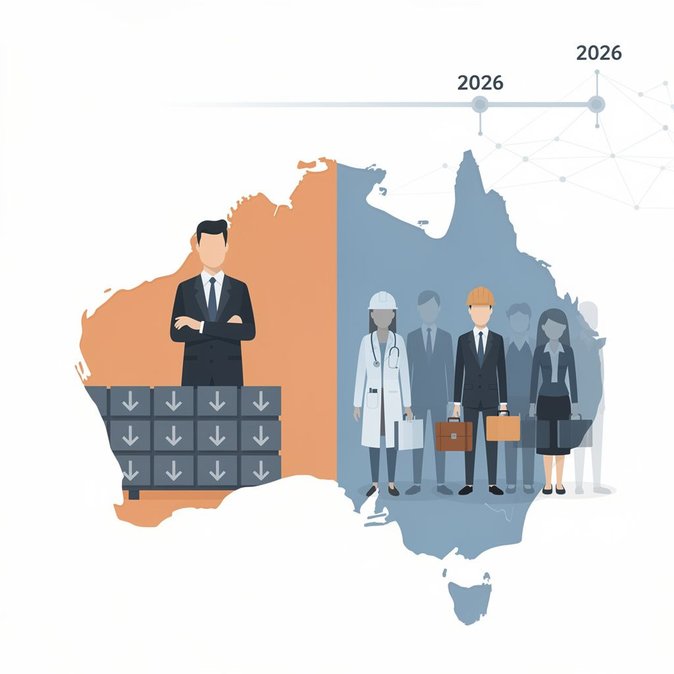
Meeting in Chengdu on 26 July, senior officials from the 21 Asia-Pacific Economic Cooperation (APEC) economies adopted the Chair’s Statement of the Data for Growth High-Level Roundtable, calling for deeper collaboration on cross-border data flows and digital interoperability. Australia—represented by Assistant Minister for Trade Tim Ayres—joined consensus that better data connectivity can “help goods, services and people move more easily across borders,” echoing Canberra’s own push to replace paper incoming-passenger cards with a fully digital declaration by 2027. The statement identifies three priorities: open access to public-sector datasets, stronger governance for data-driven innovation and practical pilots on data connectivity. Business-mobility experts say the third pillar dovetails neatly with the APEC Business Travel Card (ABTC) modernisation program, which is trialling biometric validation and a virtual card. Australian border agencies are core contributors to that pilot and view pan-regional standards as essential for scaling the technology. For multinationals, the communique signals that digital identity and customs-single-window projects—often treated separately—are converging under a whole-of-border lens. Companies rolling out regional travel-management platforms should prioritise APIs capable of ingesting real-time government clearance data, which APEC envisages becoming available through “trusted data corridors”. Domestically, the meeting gives political momentum to Australia’s own Digital Passenger Card project, a joint initiative of Home Affairs, DAFF and Qantas announced earlier this month. Stakeholders expect a public beta during the southern-summer peak, and officials privately say alignment with APEC standards will help secure reciprocal fast-track lanes for Australian executives in partner economies.
Source: APEC Newsroom