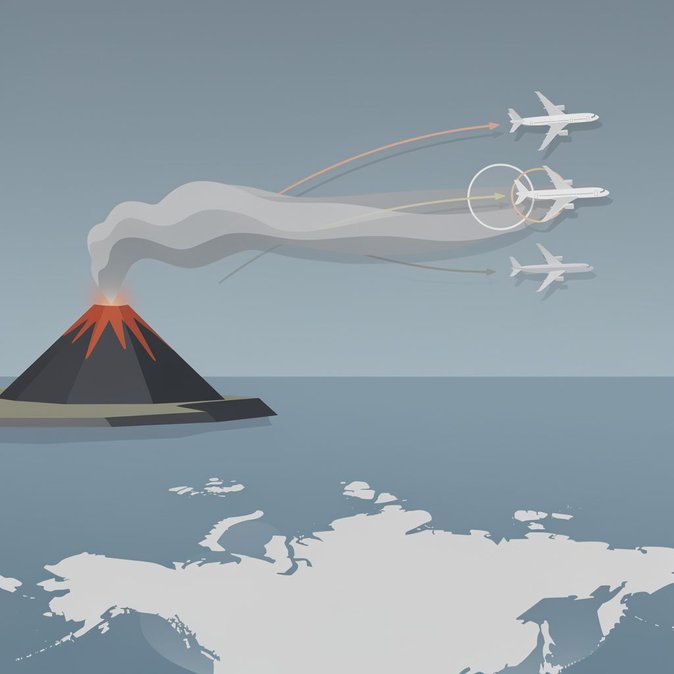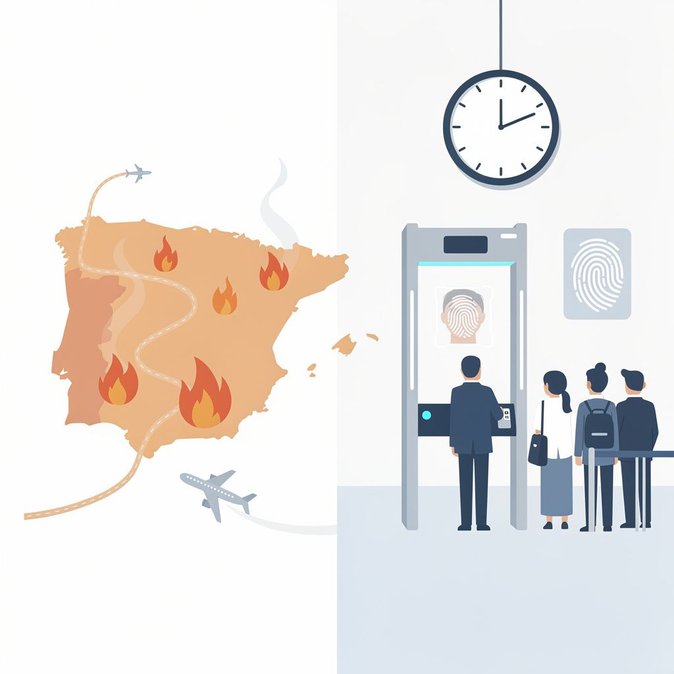
The Department of Foreign Affairs and Trade (DFAT) updated its Smartraveller advisory for Spain on 26 July, warning Australian travellers of large wildfires that have triggered localised evacuations and potential transport disruption. The notice maintains the overall advice level at “Exercise normal safety precautions” but urges travellers to stay clear of affected regions, monitor local media and heed instructions from Spanish authorities. Of equal importance to business travellers is a fresh reminder about the European Union’s Entry/Exit System (EES), due to start later this year. Under the EES, Australians entering the Schengen Area for a short-term stay will have fingerprints and a facial image captured at the border. DFAT cautions that pilots of the system have already caused queues and that dual nationals should check which passport to use to avoid complication. The advisory notes that strikes and demonstrations—common during Spain’s peak summer—can further snarl rail and air networks. Companies with fly-in/fly-out engineers or executives heading to Madrid, Barcelona or Bilbao in coming weeks should build additional lay-time into itineraries and ensure travellers carry proof-of-accommodation and onward tickets, which border officials increasingly request under Schengen rules. Travel managers should also review crisis-management protocols for wildfire-related airport closures; several regional airports in Spain’s north were forced to curtail operations last summer when smoke reduced visibility. Medical-assistance providers recommend confirming that insurance covers itinerary changes caused by natural disasters, which many basic corporate policies still exclude.
Source: DFAT – Smartraveller