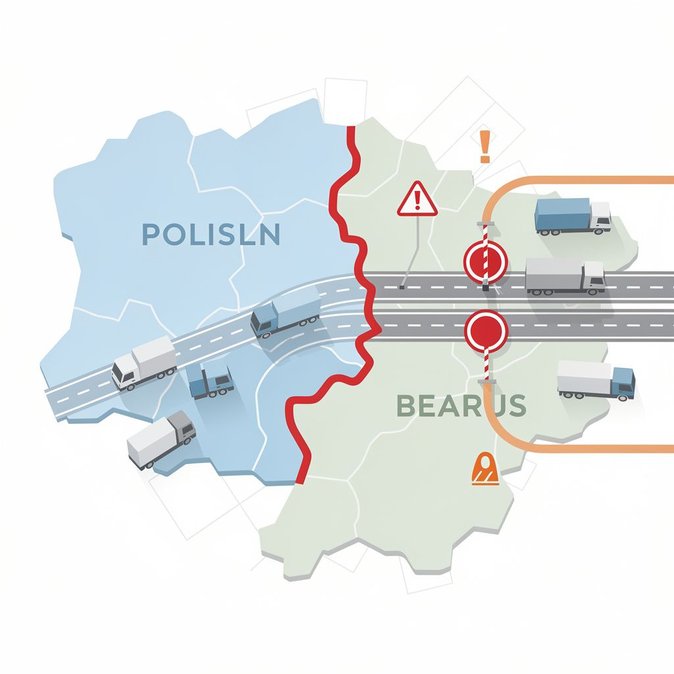
Late on Saturday, 25 July 2026, the Belarusian Foreign Ministry summoned Poland’s chargé d’affaires in Minsk to relay information about an alleged terrorist plan targeting the children of a Belarusian dissident residing in Warsaw. Euronews reports that the suspect, a Belarusian national who recently lost humanitarian status in Poland, purportedly intended the attack as revenge. Poland’s Minister-Coordinator of Special Services, through spokesperson Jacek Dobrzyński, confirmed that the alert “is being treated with utmost seriousness”. While operational details remain classified, counter-terror police have increased surveillance around expatriate Belarusian community centres and schools in the Mazovia region. The warning arrives amid heightened tensions on the shared border, where Poland accuses Minsk of orchestrating irregular migration flows. Security analysts note that even an uncorroborated threat can influence mobility: corporate travel departments are re-checking duty-of-care protocols for staff trips to Belarus, while several multinational firms have postponed cross-border team-building events scheduled for August. Embassies of EU member states in Warsaw circulated internal advisories encouraging nationals to remain vigilant in public places and to report unattended luggage. No public travel restrictions have been issued, and Warsaw airports are operating normally, but the Government Security Centre (RCB) has raised its internal terror-alert level for the capital from ALFA to BRAVO-1 for a 48-hour review period. If the plot is verified, Poland could invoke Article 6 of its new 2025 Counter-Terror Measures Act, allowing expedited expulsions of foreigners deemed security threats and temporary re-introduction of ID checks on selected Schengen flights. Business travellers should therefore ensure they carry passports or national ID cards on all domestic legs to and from Warsaw during the alert window.
Source: Euronews