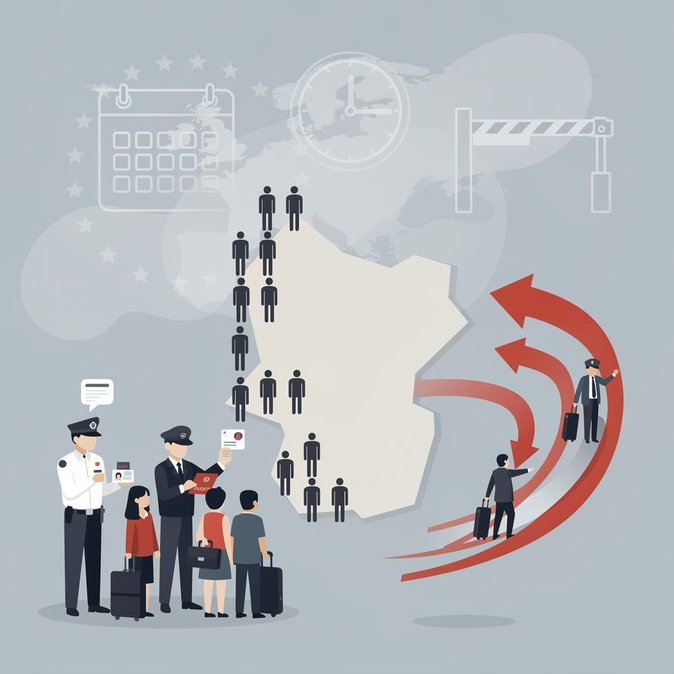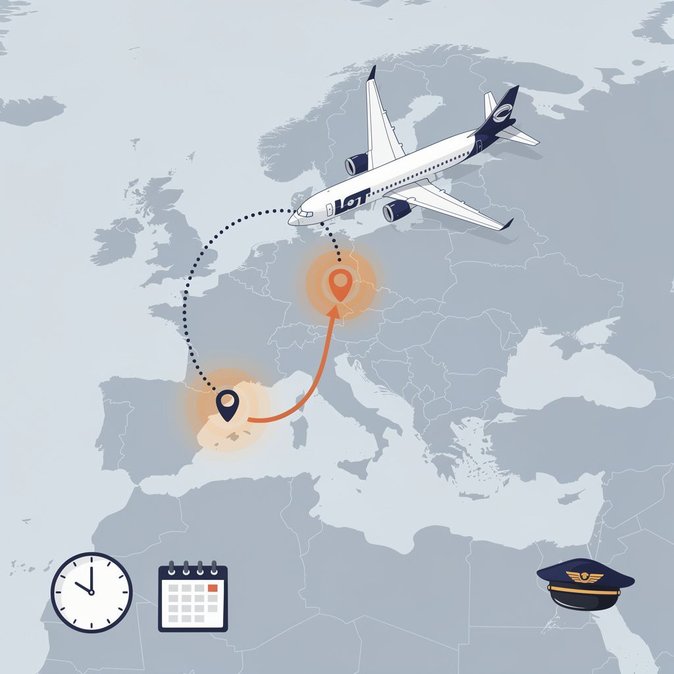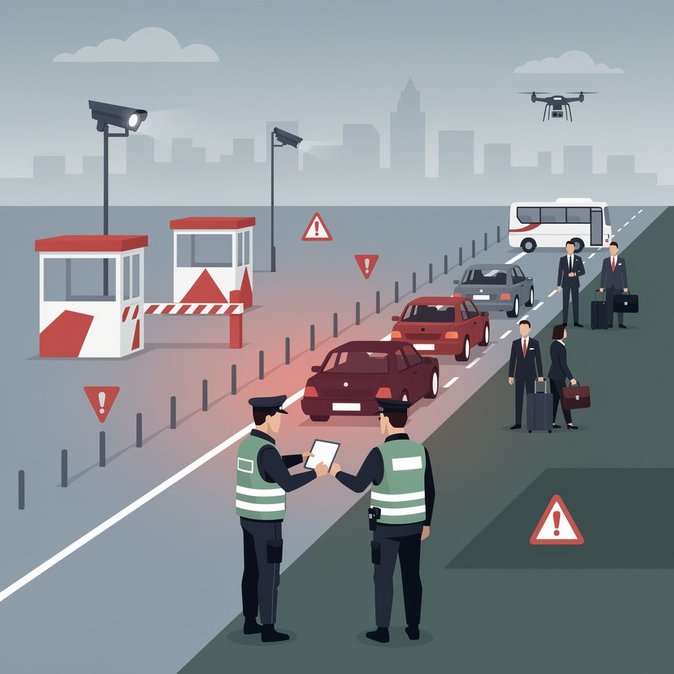
Poland’s counter-terrorism community moved to a heightened state of readiness on 24 July after the Belarusian foreign ministry claimed that a man living in Poland was preparing an attack on Belarusian dissidents and their children. The spokesman for the minister-co-ordinator of the special services, Jacek Dobrożyński, declined to give operational details but stressed that “every warning is treated with due seriousness and resolve.” While the threat has not been independently verified, the episode underscores the volatile security environment along the 418-kilometre Polish-Belarusian border. Minsk and Moscow have repeatedly used the frontier to exert political pressure, from engineered migrant waves in 2021 to frequent disinformation campaigns. Business travellers and multinationals with staff in Poland have therefore faced intermittent security alerts, restricted zones along the border, and ad-hoc passport checks even when travelling inside the Schengen Area. Corporate mobility managers should review travel-risk protocols for personnel based in, or transiting through, eastern Poland. In practice this includes maintaining real-time channels with travellers, keeping copies of passports and itineraries, and monitoring local media as well as official channels such as the Government Centre for Security (RCB) alerts. Companies should also anticipate possible short-notice road closures or airport security escalations—particularly at regional airports such as Lublin or Rzeszów-Jasionka, which sit closest to the frontier and handle sizeable volumes of humanitarian and defence-related traffic. Poland’s response also reflects a broader EU conversation about how to balance the free movement of people with legitimate security concerns. Warsaw re-introduced internal border checks with Belarus’s EU neighbours in 2024 and has since prolonged controls with Germany and Lithuania until 1 October 2026. The latest scare will almost certainly be cited by Polish officials when they next justify those extensions to Brussels. For globally mobile employees the practical takeaway is clear: expect visible policing, possible document inspections on some domestic rail and road routes, and longer lead times for air-cargo security clearance. Travellers should carry physical photo ID at all times and allow extra time for airport departure screening over the coming days.
Source: Polska Agencja Prasowa (PAP)