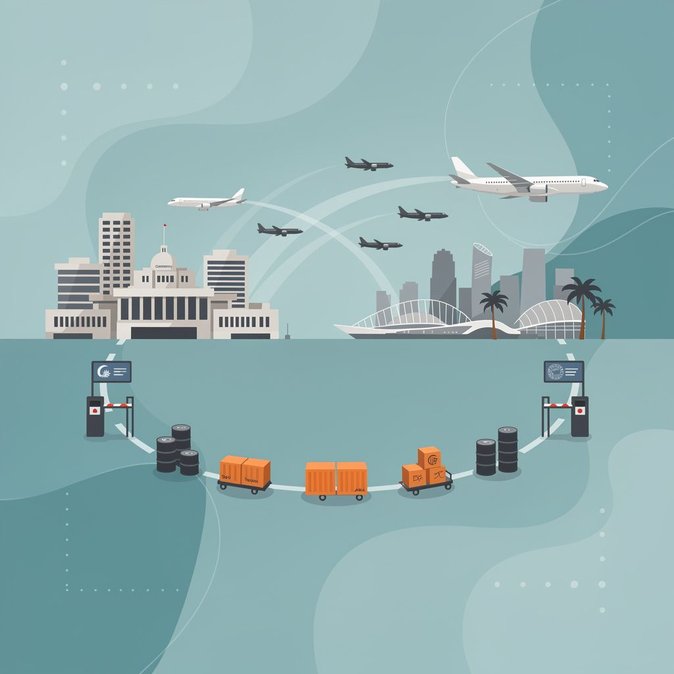
Australia and Singapore have taken another significant step toward deepening their already-close economic and mobility ties, signing a new Protocol on Economic Resilience and Essential Supplies in Adelaide on 27 July 2026. The agreement, concluded during the 15th Singapore-Australia Joint Ministerial Committee (SAJMC) meeting, gives both governments a legal framework to keep critical goods—and the people and aircraft that move them—flowing during future supply-chain shocks. Singapore currently supplies more than half of Australia’s refined petrol and nearly a quarter of its aviation fuel, making uninterrupted maritime and air connectivity an obvious priority for business and travellers alike. Although the headline focus is fuel security, the protocol contains several clauses directly relevant to global mobility managers. First, ministers instructed officials to begin work on a refreshed Singapore-Australia Air Services Agreement. This review is expected to expand traffic rights and flexible scheduling, creating headroom for additional passenger and cargo frequencies on the busy Australia-Singapore corridor—already a strategic hub for corporate itineraries into Southeast Asia and Europe. Second, the protocol establishes an “Economic Resilience Dialogue” that will meet at least annually to coordinate border-management and customs responses when essential supply chains are disrupted. For multinational companies with just-in-time production or regional assignment programmes pivoting through either country, the dialogue promises faster information-sharing and priority clearance arrangements similar to those developed during the COVID-19 pandemic. Third, ministers highlighted practical cooperation between the Australian Border Force and Singapore’s Immigration & Checkpoints Authority under the existing “Border of the Future” partnership. Joint training programmes have already rolled out for customs officials across Southeast Asia; mobility teams can expect smoother transit for high-value cargo and potentially pilot electronic passenger cards that remove paper-based arrival paperwork between the two countries. Finally, the protocol’s macro-economic focus underpins both governments’ commitment to an open, rules-based trading system—good news for expatriate staff reliant on predictable cross-border flows. In practical terms, corporate travel buyers should anticipate: (1) increased seat inventory on Australia–Singapore routes over the next two scheduling seasons; (2) more resilient fuel supplies that reduce the risk of ad-hoc surcharges; and (3) a pipeline of digital border initiatives that could shorten clearance times for business travellers.
How VisaHQ can help
VisaHQ simplifies the visa application process for individuals and businesses. Check current travel requirements, prepare the required documents and manage your application online through the VisaHQ Australia portal.More From Australia
View all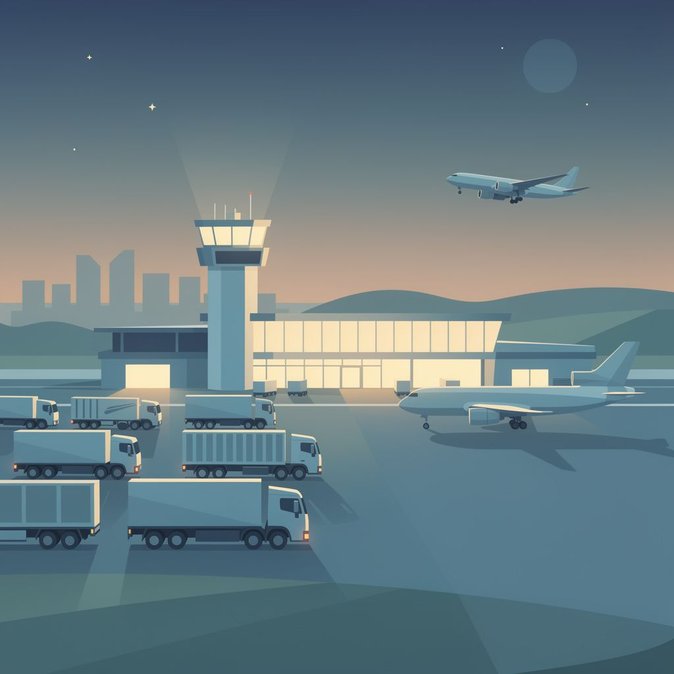
Western Sydney International Airport opens 24/7 cargo precinct; first Qantas freighters depart tonight
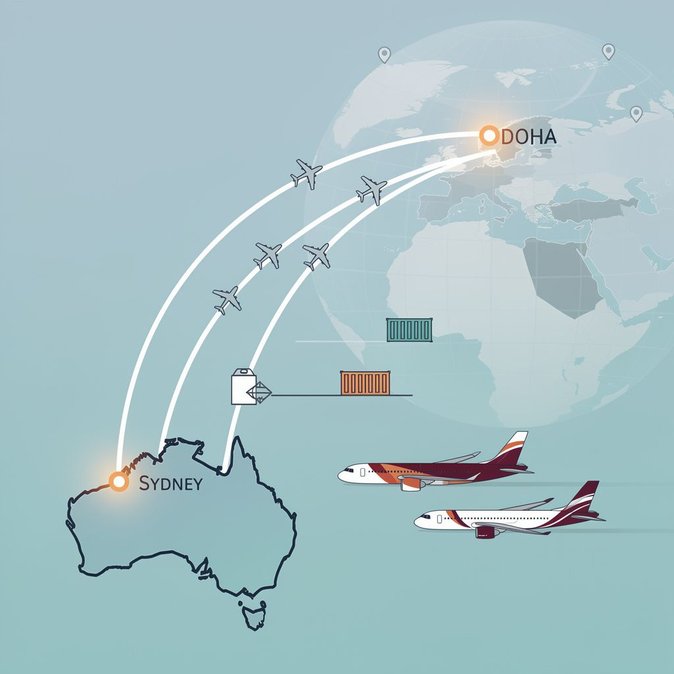
Virgin Australia and Qatar Airways to double Sydney–Doha service, adding 7,000 seats a week