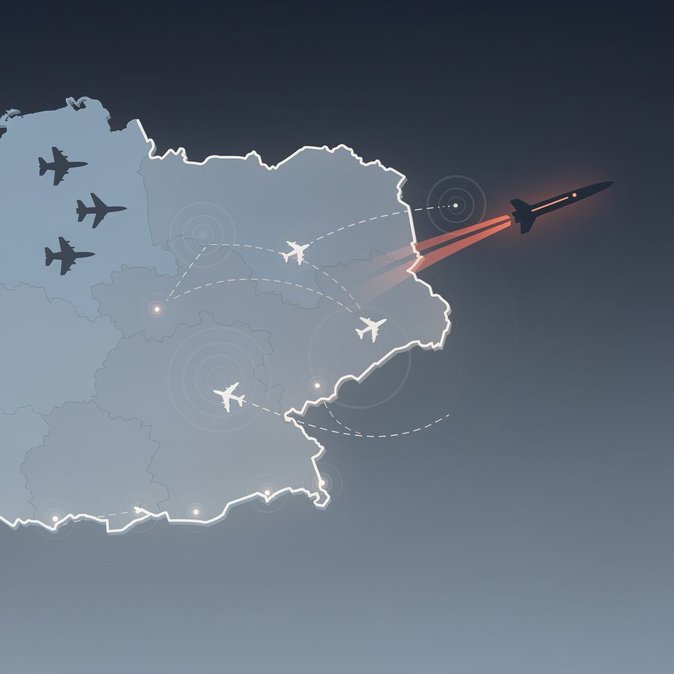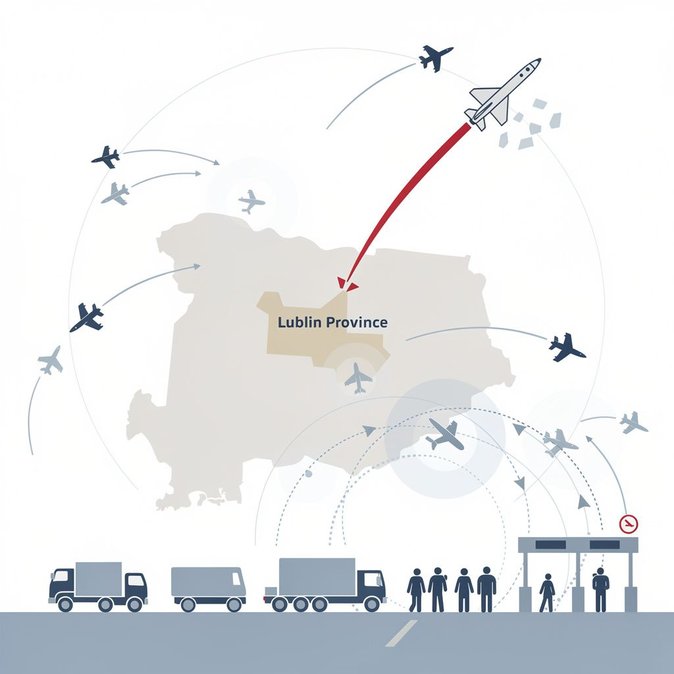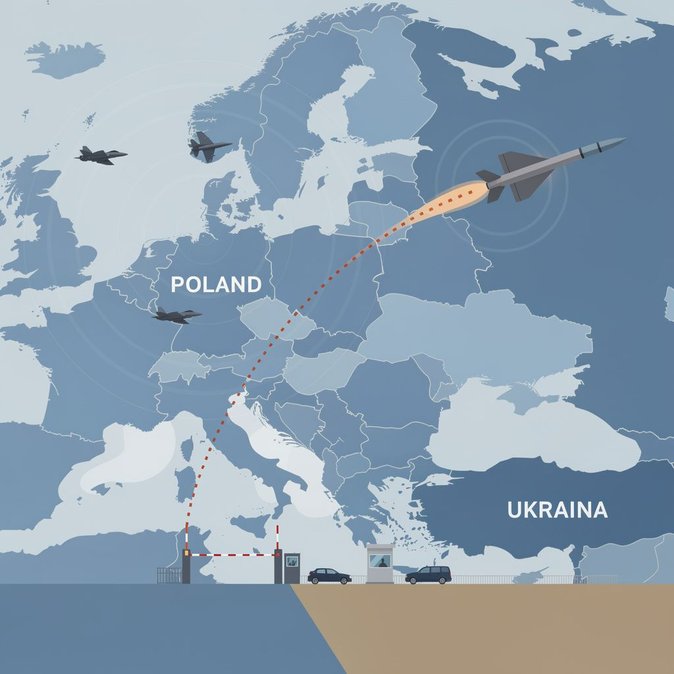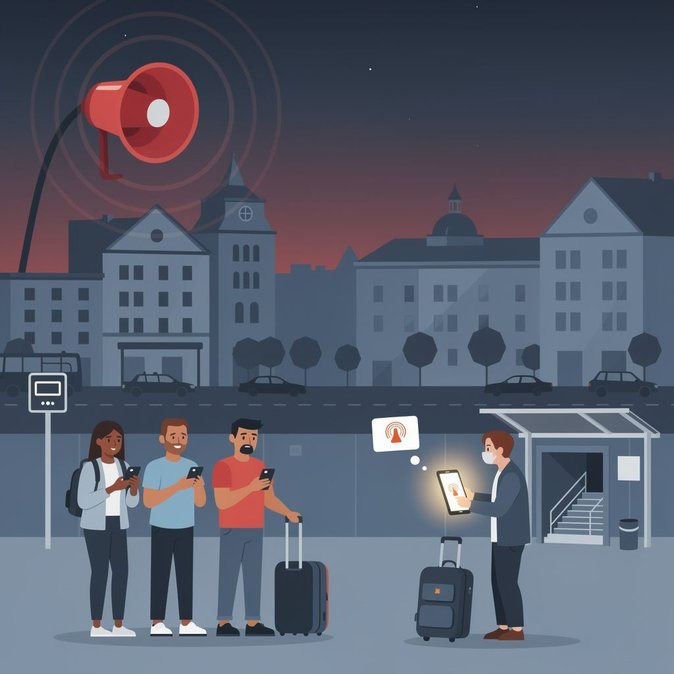
At 03:50 local time on Thursday, 30 July 2026, the municipal siren network in Lublin sounded a four-minute “air-attack” signal after the Government Security Centre (RCB) warned of a credible airborne threat linked to Russia’s overnight barrage against Ukraine. Less than ten minutes later an “all clear” tone followed, yet the episode exposed gaps in employer preparedness and raised fresh questions about Poland’s public-warning infrastructure. Marcin Bubicz, spokesman for the Lubelskie Voivode, told Wirtualna Polska that the alert was issued on the basis of classified data relayed by the Operational Command of the Armed Forces: “The information was credible and confirmed; the priority was to warn residents without delay.” However, many expatriates and business travellers—whose phones run on foreign SIM cards—did not receive the accompanying RCB SMS, creating confusion about whether to shelter or continue to the airport for early-morning flights. Within hours, global mobility teams for several Fortune 500 manufacturers operating in the Lublin Special Economic Zone convened emergency calls. According to an internal memo seen by WP, managers instructed assignees to identify the nearest basement shelter and to carry passports and residence cards at all times for possible evacuation toward Warsaw. Schools following the British and International Baccalaureate curricula emailed parents to confirm that classes would proceed but that students would practise duck-and-cover drills during the first period. The incident also prompted a surge of traffic to Poland’s new online Safety Guide for Foreigners, which explains siren codes and shelter locations in English, Ukrainian and Russian. The Office for Foreigners reported a record 42,000 unique visits between 04:00 and 10:00, suggesting that many newcomers are still unfamiliar with Poland’s civil-defence protocols. Practical advice for mobility managers: (1) verify that company phones purchased locally are configured to receive RCB cell-broadcasts; (2) include the siren code sheet in arrival packs for inbound assignees; (3) stage a table-top exercise covering shelter-in-place and communication procedures; and (4) advise travellers connecting through Lublin airport to build extra buffer time into itineraries for possible security holds.
Source: Wirtualna Polska