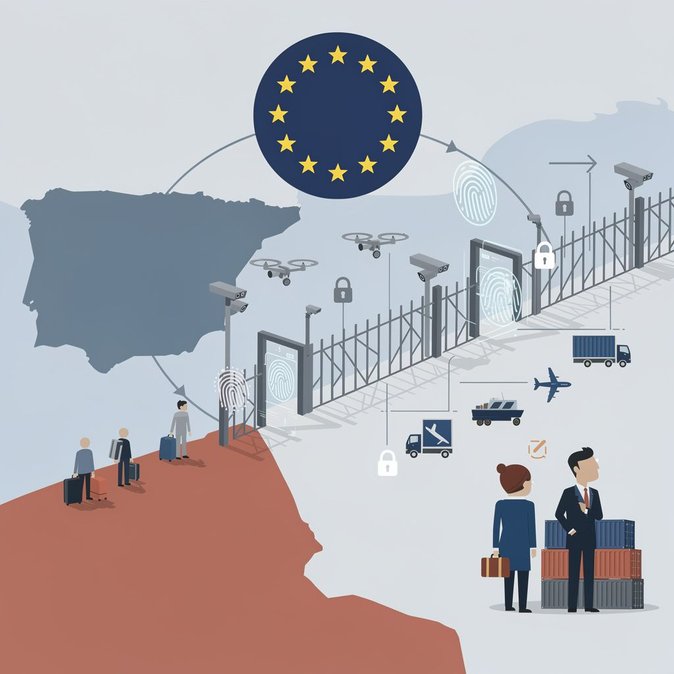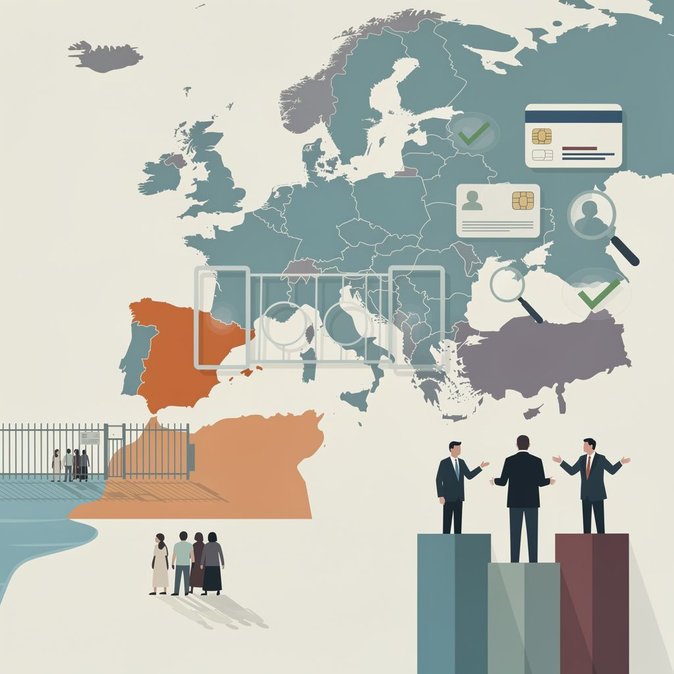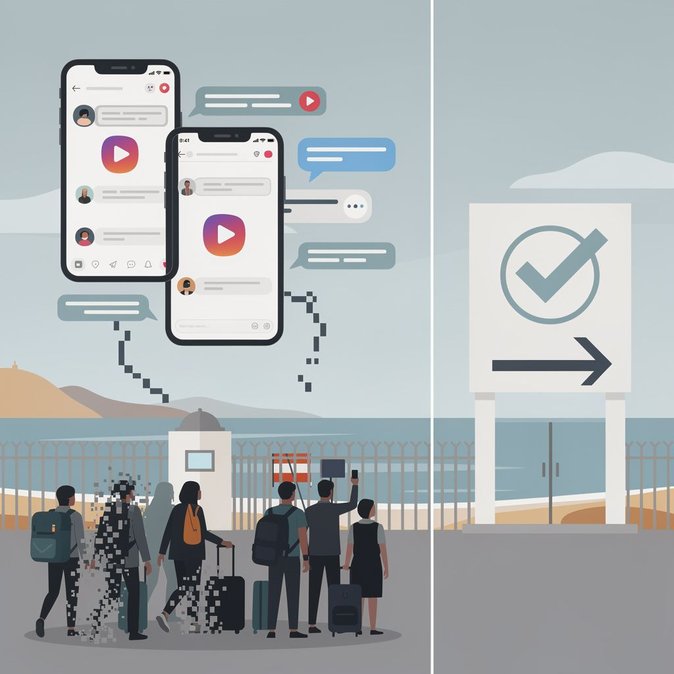
Preliminary findings from Spain’s cyber-crime unit suggest that viral TikTok and Telegram posts falsely claiming Spain had suspended passport checks were a key catalyst for the sudden mobilisation of thousands of Moroccan youths toward Ceuta. El País reports that videos showing migrants celebrating on Ceuta’s promenade were geo-spoofed and amplified by bot networks originating outside Europe. Investigators have traced at least 140 accounts created within 48 hours of the surge, many using recycled Syrian-war footage labelled ‘Ceuta 2026’. The National Police have requested legal assistance from Moroccan authorities to identify content creators, while the Ministry of Digital Transformation is considering fines of up to €300,000 against platforms that failed to remove disinformation within one hour. For global mobility teams, the episode is a stark reminder of how quickly fake travel information can shape real-world movements. Companies operating rotational workforces in North Africa are advised to monitor social media chatter and pre-clear any changes in travel policy through official Spanish or EU channels. Legal experts point out that Spain’s 2022 ‘Digital Services Act’ transposition obliges large online platforms to set up ‘crisis protocols’—yet to be tested in court. If enforced, platforms could be compelled to display government-verified travel advisories at the top of search results, similar to COVID-19 banners deployed in 2020. The government’s report, due for public release next week, is expected to recommend a rapid-alert system linking border agencies with social networks to debunk viral hoaxes before they prompt dangerous mass movements.
Source: El País