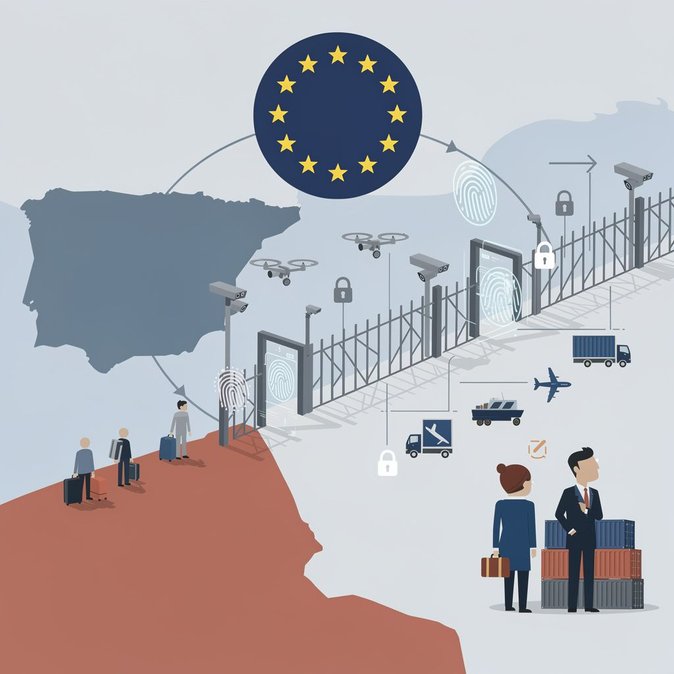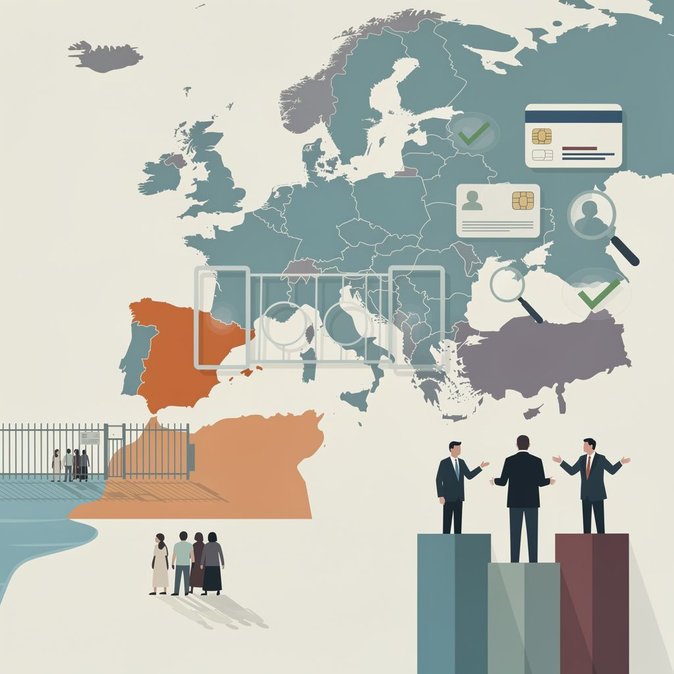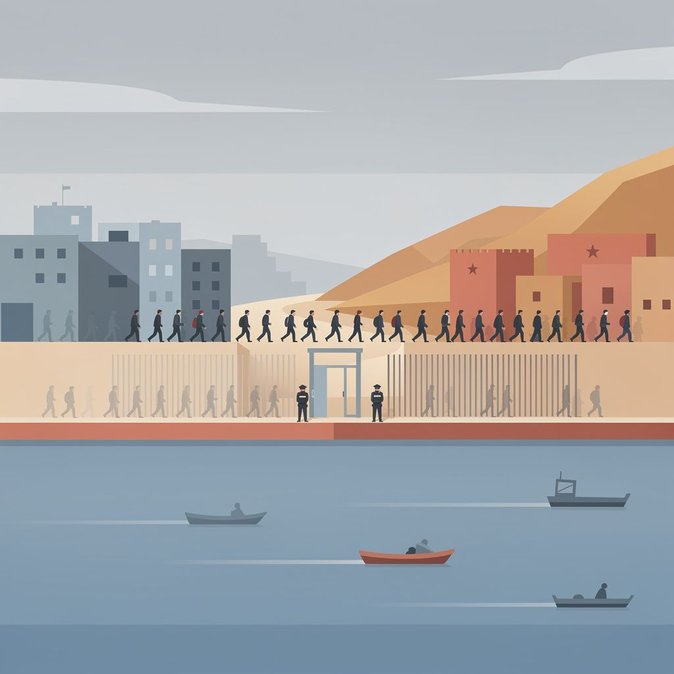
Spanish border-security analysts say an orchestrated social-media campaign—centred on TikTok, Instagram and encrypted Telegram channels—played a decisive role in mobilising tens of thousands of Moroccan youths toward Ceuta last week. Posts shared GPS screenshots, neoprene-suit discounts and real-time police-patrol maps, claiming “the border is open and you can cross without papers.” Investigators believe many of the accounts were run by criminal networks that sell passage to Europe. Hashtags such as #HrigSebta (‘burn the papers’) trended for 48 hours before platforms removed them. The phenomenon echoes earlier “digital caravans” that spurred Central American migration to the U.S. border, highlighting how disinformation can overwhelm physical barriers in minutes. Spain’s Interior Ministry has asked Meta, TikTok and X to preserve data for a judicial probe and is working with EUROPOL’s European Migrant Smuggling Centre to trace the origin of bot-amplified content. The case could strengthen Brussels’ hand as it finalises the EU Digital Services Act enforcement playbook, which imposes hefty fines for failure to curb illegal content that endangers life. For employers, the incident is a reminder that social-media flash events can suddenly alter risk profiles for posted workers and local staff near borders. Security advisers recommend monitoring local online chatter and maintaining emergency communication channels with mobile employees in high-risk zones. Spanish tech firms, meanwhile, see an opportunity: several cyber-intelligence start-ups in Madrid and Málaga are pitching AI-driven early-warning tools to police forces in Spain and other EU states.
Source: El País