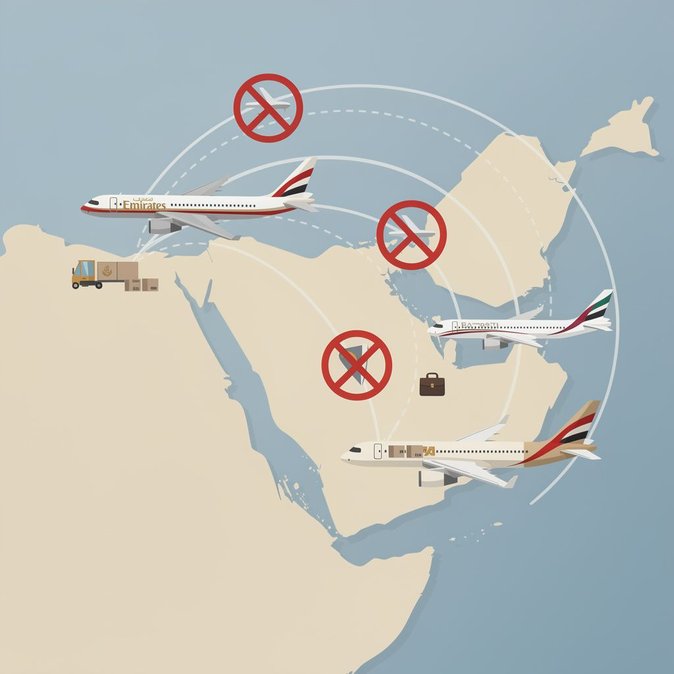
Dubai’s celebrated image as a friction-free global hub is facing its toughest stress-test in years. In a front-page report published on 4 August 2026, French daily Le Monde details how months of missile and drone threats tied to the wider US-Iran conflict have unnerved the city’s vast expatriate workforce. Emergency shelter alerts have become routine, several banks quietly activated evacuation plans in March, and marquee employers such as Amazon and First Abu Dhabi Bank suffered brief service interruptions after strikes on regional data centres. While Emirati officials continue to project business-as-usual confidence, the article quotes senior financiers who are now freezing new hiring or weighing back-up locations in Oman and Europe. For global mobility managers the biggest worry is the potential snap-decision by families not to return after summer leave. International schools switched to distance-learning for six weeks in the spring, but administrators tell Le Monde they “need classrooms at 85 per cent occupancy” when the new term starts in early September. If even a small share of high-earning professionals relocate permanently, firms could face sudden skills gaps, higher remote-work costs and complex immigration logistics in alternative hubs such as Riyadh, Muscat or Mumbai. Yet the report also underlines Dubai’s enduring pull factors: zero income tax, world-class infrastructure and quick regulatory fixes. The UAE has already funnelled an estimated US $3 billion in previously frozen Iranian assets back to Tehran to deter further attacks, and sovereign funds still hold triple-GDP cash reserves that can be deployed to stabilise key sectors. Analysts at Rice University argue that this deep fiscal buffer—and the government’s ability to “play the long game”—means most multi-nationals will try to ride out the uncertainty rather than launch costly mass moves. Practically, mobility advisers are urging employers to update contingency plans, expand mental-health support and clarify travel-risk insurance for dependants. Some hedge funds have negotiated temporary remote-work bases on the island of Jersey; others split teams between Dubai and Singapore to diversify exposure. GDRFA and ICP processing times for visa renewals remain unchanged, but relocation consultants report a spike in inquiries about second residencies in Cyprus, Portugal and Mauritius. The coming four weeks will be decisive. If expatriate families return for the 2026-27 school year, Dubai may yet preserve its status as the region’s indispensable talent magnet. A prolonged security stalemate, however, could accelerate a structural shift in Gulf mobility patterns—forcing companies to spread critical functions across multiple cities and re-write their long-term assignment playbooks.
Source: Le Monde