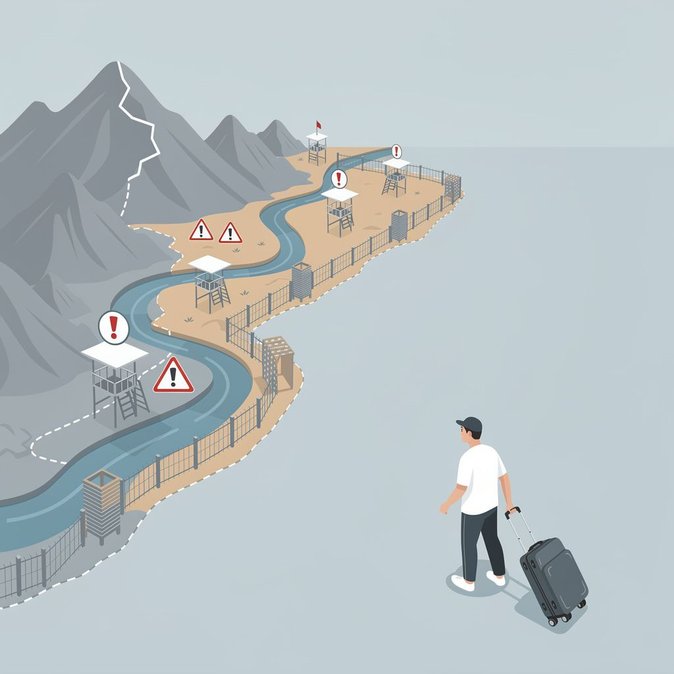
China’s Consular Affairs Department raised its travel advisory for the remote Tajikistan–Afghanistan border corridor to the highest ‘Do Not Travel’ level on 14 September, citing escalating security threats. The advisory urges Chinese citizens and organisations already in the area—from Khatlon to the Badakhshan capital Khorog—to evacuate or relocate to safer parts of Tajikistan, and it instructs would-be travellers to cancel plans immediately. Although Beijing did not specify the trigger for the alert, analysts point to recent clashes between Afghan anti-Taliban militants and Tajik security forces, as well as Islamic State-Khorasan activity near the tri-border. The corridor also hosts segments of China’s Belt and Road Initiative, including road upgrades and telecommunications projects, meaning a small but significant presence of Chinese contractors. Under China’s consular risk system, a top-level warning can affect corporate insurance coverage and may invalidate standard travel approvals for state-owned enterprises. Companies with personnel in Tajikistan were advised to activate emergency communication protocols, confirm staff whereabouts and review evacuation contracts with security providers. The alert follows several months of stepped-up warnings for Central Asia as Beijing seeks to shield its citizens from spill-over instability in Afghanistan. Mobility teams should expect stricter exit screening for workers leaving Tajikistan for China and potential delays in visa processing for Tajik nationals travelling to the mainland while the notice remains in force.