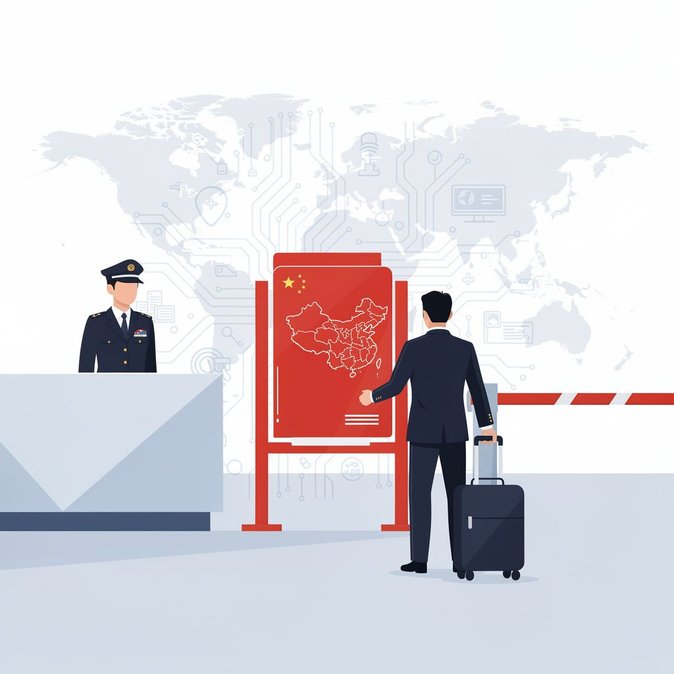
Deutsche Welle’s deep-dive into China’s revamped immigration framework highlights a clause that worries tour operators and corporate mobility planners alike: foreign travellers who provide “false statements” in visa applications can now be barred from entering China for up to five years. The provision sits alongside tougher exit bans for Chinese citizens and is framed as protection of “industrial and technological security.” Analysts interviewed by DW note that the term “false statement” remains undefined, leaving significant discretion to front-line border officers. Cases could range from honest mistakes on accommodation addresses to omissions about previous employment in sensitive sectors. Taiwanese tech professionals are singled out in the report as particularly exposed, given cross-strait political sensitivities. DW quotes Singapore-based scholar Chong Ja Ian, who says the rules give Beijing a “wide remit” to police information flows. The story also references recent incidents where U.S. citizens were prevented from leaving China pending security investigations, suggesting the new regulation formalises practices that had previously relied on ad-hoc instructions. Travel agencies say they will require clients to sign expanded declarations and may decline bookings if background checks uncover potential red flags. Global companies, meanwhile, are adding China-specific attestations to business-visa support letters to minimise liability. Industry groups are urging Chinese authorities to issue detailed guidance and an appeals mechanism, warning that unpredictable five-year bans could chill investment and conference attendance at a time when Beijing is courting foreign capital.
Source: Deutsche Welle