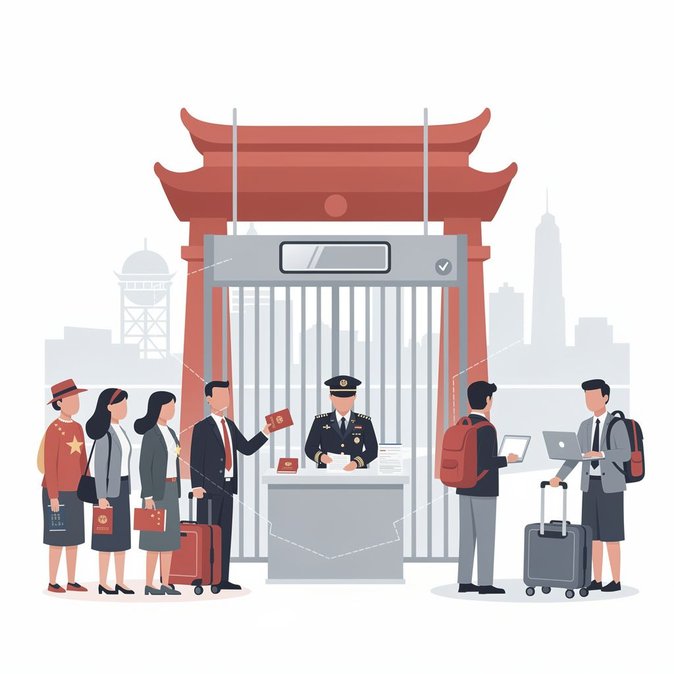
A three-minute phone recording that surfaced on 3 August shows a Shanghai Exit-Entry officer telephoning a citizen who had recently listed Japan as the intended destination on a routine passport-renewal form. In the call, the officer warns that “name lists” have been circulated for routes to Japan and asks the applicant to reconsider travelling “for safety reasons”. The official cites new State Council Regulations on Exit and Entry Administration released on 31 July that empower immigration police to “advise or dissuade” travel to destinations deemed high-risk and to impose exit bans where national-security, export-control or public-health concerns apply. Although the regulations themselves are not yet in force until 15 September, the leaked clip suggests that local bureaus are already piloting the protocols. Policy analysts note that Article 2 mandates officers to “inquire about travel purpose” during any document application, while Article 4 introduces exit bans for suspected technology-export and sanctions-evasion cases. Together they extend administrative control far beyond the previous 2013 Exit-Entry Law, aligning personal mobility with Beijing’s broader technology-security agenda. For multinationals, the most immediate risk is staff mobility. Employees handling sensitive IP or working on overseas projects may find their passports flagged for additional interviews or even temporary retention pending compliance checks. HR teams are advised to audit travel-document validity, maintain redundant staffing plans, and prepare explanatory letters describing the genuine purpose of each trip. Corporates should also review any third-party relocation or immigration providers—foreign-owned agencies are explicitly barred from operating on the mainland under the new rules, forcing companies to contract with licensed domestic firms. On the outbound side, business travellers could face last-minute calls similar to the one in the recording, especially if visiting countries that have diplomatic tensions with China. Security managers should brief travellers on potential “persuasion” contacts and ensure itineraries remain flexible. Inbound mobility is affected too: foreigners may now be denied boarding or entry if Chinese authorities believe their hosts are under investigation. While the State Council promises procedural safeguards, the regulations leave wide discretionary power to local bureaus. Firms with large China footprints should monitor implementing guidelines that the National Immigration Administration is expected to publish before mid-September.
Source: Geopolitechs & Reddit