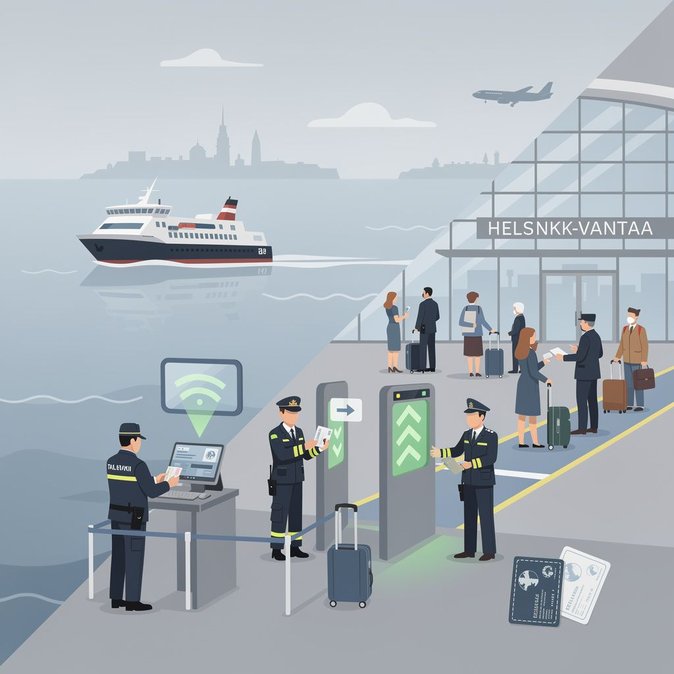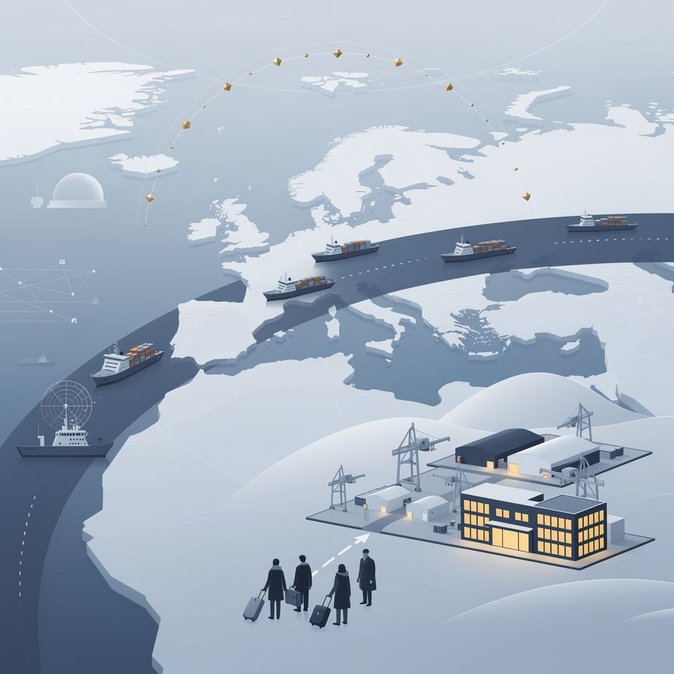
Leaders from 12 EU and NATO countries gathered in Rovaniemi, Lapland, on 14 September 2026 for the first European Arctic Summit, a two-day meeting hosted by Finnish Prime Minister Petteri Orpo. The summit’s timing is no coincidence: melting sea-ice is lengthening the navigable season on the Northern Sea Route and opening the so-called Northeast Passage, potentially cutting Europe-to-Asia transit times by up to 40 percent. The agenda mixed climate science with hard security. German Chancellor Friedrich Merz warned that the Arctic has gone from “high north, low attention” to a strategic flash point, citing Russia’s growing military footprint in Murmansk and China’s interest in polar rare-earth minerals. Finland, which already spends heavily on ice-class port infrastructure, argued that EU funds should prioritise dual-use investments—icebreakers, satellite monitoring and resilient broadband—that serve both commercial shipping and border surveillance. For global-mobility managers the headline is diversification of supply chains: container carriers such as MSC and COSCO have announced exploratory sailings via the Arctic for the 2027 season, with Oulu and Kemi positioning themselves as trans-shipment hubs. If realised, the routes could re-draw personnel deployment patterns, shifting some Asia–Europe crew changes from Rotterdam or Hamburg to northern Finnish ports. The summit communiqué also touched on human mobility. Ministers agreed to draft a common visa facilitation scheme for specialised Arctic workers—ice-navigation pilots, climate scientists, telecom engineers—modelled on Finland’s existing Fast-Track D-visa. Officials will present a concrete proposal to the Justice and Home Affairs Council in December. Finally, the delegates backed Finland’s call for an Arctic Crisis Exercise in 2027 that would test civilian evacuation, consular coordination and temporary protection mechanisms in remote locations. Companies with high-north operations should monitor the exercise plans, as participation may offer valuable insight into emergency mobility logistics in extreme environments.
Source: Associated Press