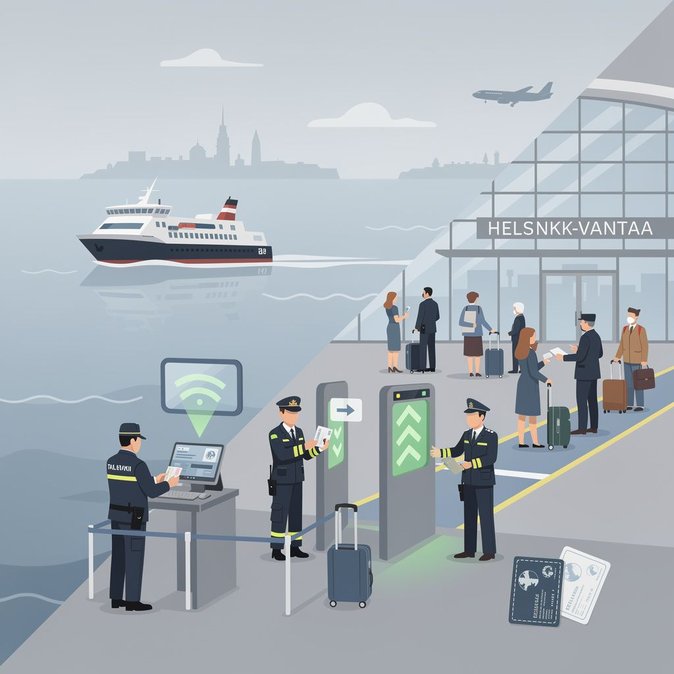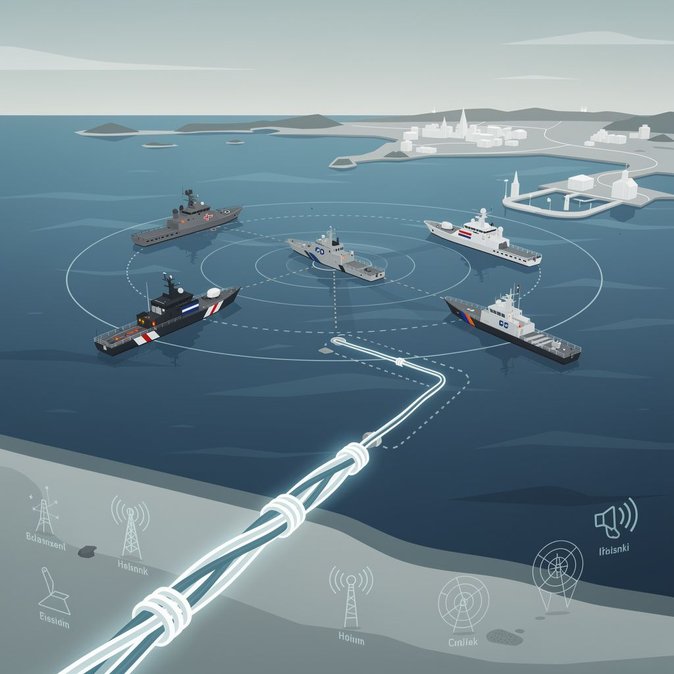
A complex live-exercise involving the Finnish Border Guard, Police, Defence Forces and rescue services kicked off in the Gulf of Finland on 15 September 2026. The drill, which also includes Poland’s Coast Guard, focuses on detecting and boarding vessels that endanger under-sea infrastructure—mirroring real-world incidents where ships dragging anchors have severed data cables. Over three days, participants will rehearse rapid information-sharing across jurisdictions, evidence collection on the high seas and medical evacuation scenarios. The exercise comes amid heightened concern about so-called “hybrid” threats that exploit the legal ambiguities of international waters. For cruise operators and freight lines using Helsinki’s busy harbours, the drill means a visible increase in patrol craft but no route closures. Harbour master Hannu Koskinen said notices to mariners have been issued, and real-time updates are available via the VTS service. Some carriers welcomed the focus on subsea safety, noting that the Baltic Sea now handles 25 percent of Finnish data traffic through newly laid fibre links. The timing dovetails with legislative efforts to boost maritime security—Parliament is simultaneously debating a bill that would extend Border Guard powers at sea (see story above). Observers from the European Maritime Safety Agency and NATO’s Centre of Excellence for Hybrid Threats are attending, suggesting the exercise could influence regional best-practice guidelines. A public debrief and lessons-learned report will be published in October, feeding into winter-navigation contingency planning.
Source: Sanomalehti.com