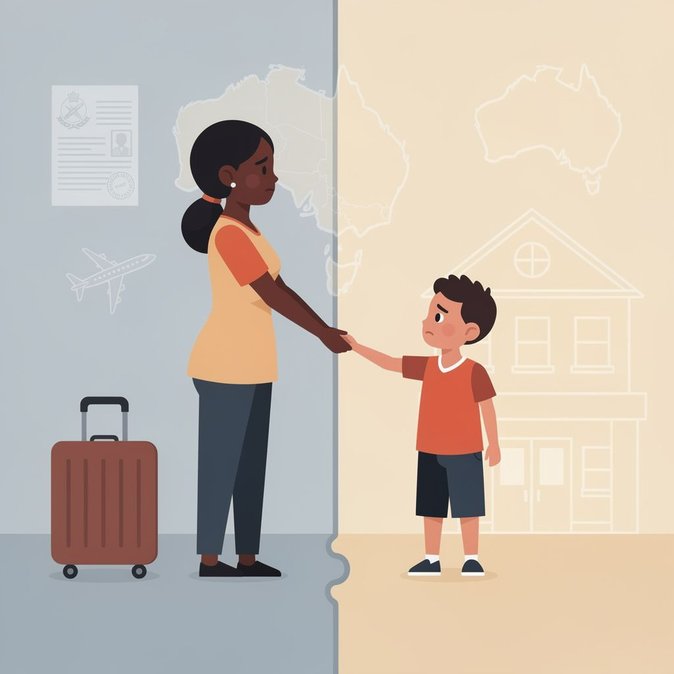
A six-year-old Tweed Heads boy could be forced to live apart from his Kenyan-born mother after her fifth tourist-visa application was rejected, ABC North Coast reported on 16 September. The family’s plight highlights how Australia’s increasingly restrictive visa settings are colliding with humanitarian considerations and drawing media scrutiny just as Parliament prepares to debate major migration reforms. Between 2022 and 2025 the mother lodged multiple visitor and student visa applications, finally gaining entry in 2025 after an Administrative Review Tribunal appeal. A new visa refusal means she must depart Australia by October unless the Minister exercises discretionary powers. Local MP Justine Elliot has written to Home Affairs urging intervention, citing the child’s Australian citizenship and the ‘best interests of the child’ test in migration law. Immigration lawyers note that family-integrity cases are likely to increase once the government’s proposed cap on partner and family visas takes effect. “Human-interest stories like this will test the boundaries of ministerial discretion,” said VisaEnvoy director Chris Johnston. For HR teams the case is a reminder that dependent-care scenarios can quickly evolve into reputational risks when staff are sponsored under employer-nominated programs but family members fall outside quota limits. Companies are advised to document duty-of-care measures and liaise early with immigration counsel when dependants hold different visa subclasses. Meanwhile, community advocates are crowdfunding legal costs, turning the story into a lightning rod for critics who argue the forthcoming reforms lack adequate humanitarian safeguards.
Source: ABC News