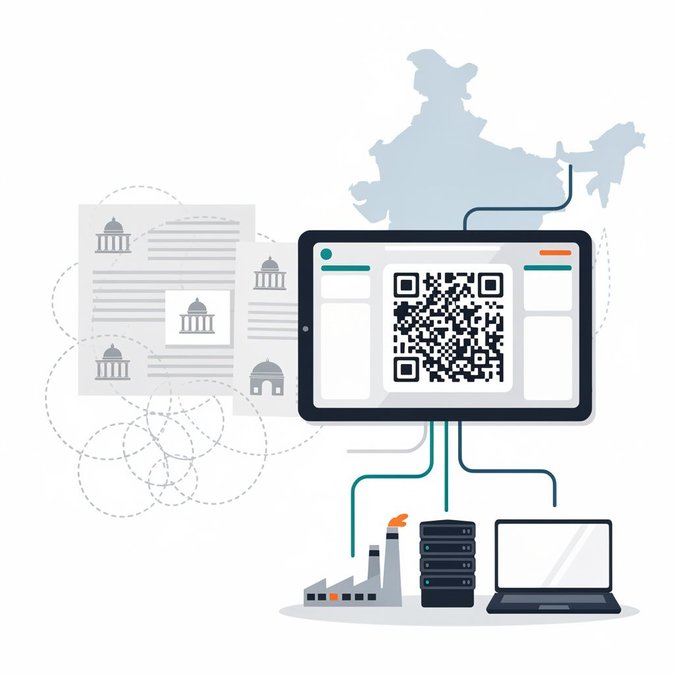
The Department for Promotion of Industry and Internal Trade (DPIIT) has added a powerful new module to India’s National Single Window System (NSWS), allowing domestic companies to generate digitally signed sponsorship letters for foreign experts in minutes rather than weeks. The feature—marked ‘last reviewed and updated on 18-September-2026’—targets manufacturing and tech firms that routinely invite engineers for installation, quality checks or ERP roll-outs. Until now Indian hosts had to shuttle between the Ministry of External Affairs, the Ministry of Home Affairs and various line ministries to obtain physical “project visas” or business-visa endorsement letters. Delays of 15–20 working days were common, often derailing commissioning schedules for green-field plants. With the new workflow, authorised signatories enter corporate details once, upload the foreign professional’s passport data and receive a QR-coded PDF accepted by Indian missions worldwide. The sponsorship letter feeds directly into e-Visa and regular sticker-visa applications, slashing paperwork for both sides. Early adopters—two automotive Tier-1 suppliers in Tamil Nadu—report that German technicians secured their visas in five calendar days, compared with the previous average of 14. DPIIT believes the reform could shave ₹340 crore (US$41 million) off annual transaction costs for industry. For global mobility teams the takeaway is clear: integrate NSWS credentials into standard operating procedures. Companies should (a) update corporate master profiles on the NSWS portal; (b) train HR staff on digital signature protocols; and (c) archive issued letters in a central repository because Indian immigration officers may still request printed copies at ports of entry during the transition period. Legal advisers caution that misuse—such as sponsoring a technician for roles unrelated to plant work—will attract penalties under the Foreigners Act, including blacklisting of the inviting entity. Nevertheless, the move is another step towards the government’s IVFRT2.0 vision of an end-to-end paperless immigration ecosystem, and signals India’s intent to remain attractive for time-critical foreign expertise.
Source: National Single Window System