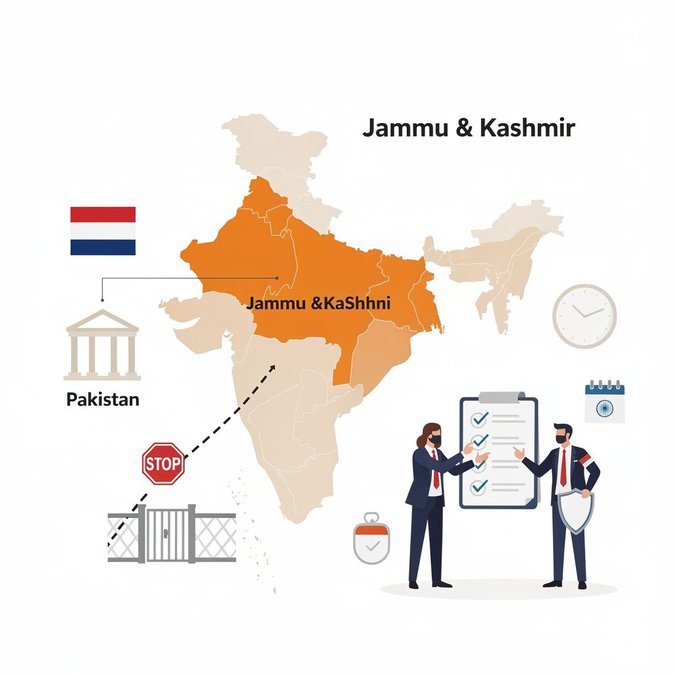
The Dutch foreign ministry’s Wereldwijd portal refreshed its India travel advice on 18 September, maintaining an ‘orange’ (only if necessary) status for Jammu & Kashmir outside the Ladakh-Leh axis and adding a reminder that the Attari-Wagah land border remains closed to foreigners. The update is largely procedural but carries practical implications for Dutch firms sending technicians to Indian hydropower sites near the Line of Control. Under Dutch corporate duty-of-care rules, employers must commission a security risk assessment before approving travel to ‘orange’ zones and buy specialist evacuation insurance. HR teams should also note that Schengen travel-insurance policies often exclude war-risk areas, so supplemental cover may be required. The ministry further advises all travellers to register contact details via the 24/7 BZ Travel App, which has been integrated with EU-wide crisis-alert systems. For Indian hosts the message is that local movement permits and military clearances can still take up to five days; plant visits should be timed accordingly. The advisory does not alter visa policy, but Dutch nationals should expect additional scrutiny at Indian missions, which may request detailed itineraries and justification letters. The update underscores a broader dynamic: while Western governments are easing pandemic-era entry rules, they are simultaneously sharpening geopolitical risk guidance. Mobility professionals must therefore track not just visa validity but also evolving security advisories that can invalidate corporate insurance if ignored.