In a speech confirmed on 21 September, Home Affairs Minister Tony Burke said most future international students will have to come to Australia alone, with family members allowed only for PhD candidates and select Pacific or ASEAN nationals. Students seeking to extend their stay must also show genuine academic progression – shifting from, say, a diploma to a bachelor’s degree – rather than moving sideways into lower-level courses. The tougher stance follows a 40 per cent surge in graduate-visa holders since 2023 and record-high refusal rates for student visas, driven partly by stricter financial-capacity tests. According to Department data, 199,000 graduates and 142,000 student-visa dependants were living in Australia as of June 2026, fuelling concerns about pressure on housing and services. University peak body Universities Australia has labelled the family ban “worrying”, arguing that research students often need multi-year family support. The policy could also complicate talent pipelines in sectors such as hospitality and aged care, where students routinely fill part-time roles. For sponsoring employers, the message is to expect fewer candidates transitioning from study to full-time work and to budget for higher recruitment costs or alternative pathways (e.g., the forthcoming Skills-in-Demand visa). Education providers must revisit marketing strategies that promote Australia as a family-friendly study destination.
Source: Newsreel / The Conversation
How VisaHQ can help
VisaHQ simplifies the visa application process for individuals and businesses. Check current travel requirements, prepare the required documents and manage your application online through the VisaHQ Australia portal.More From Australia
View all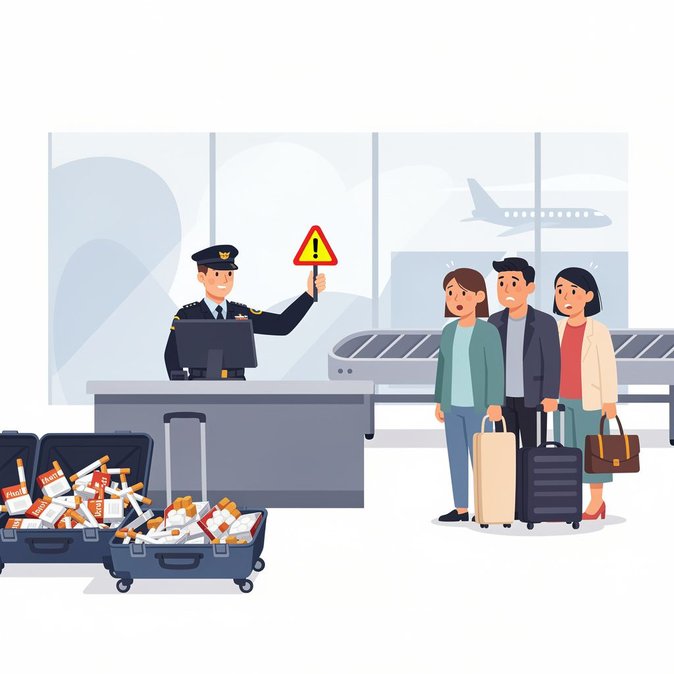
Four Chinese Travellers Lose Visas after $250k Illicit-Tobacco Bust at Melbourne Airport

Daily Migration Update: New Processing Directions Now Operational; Subclass 189 Invitation Round Expected by 30 September