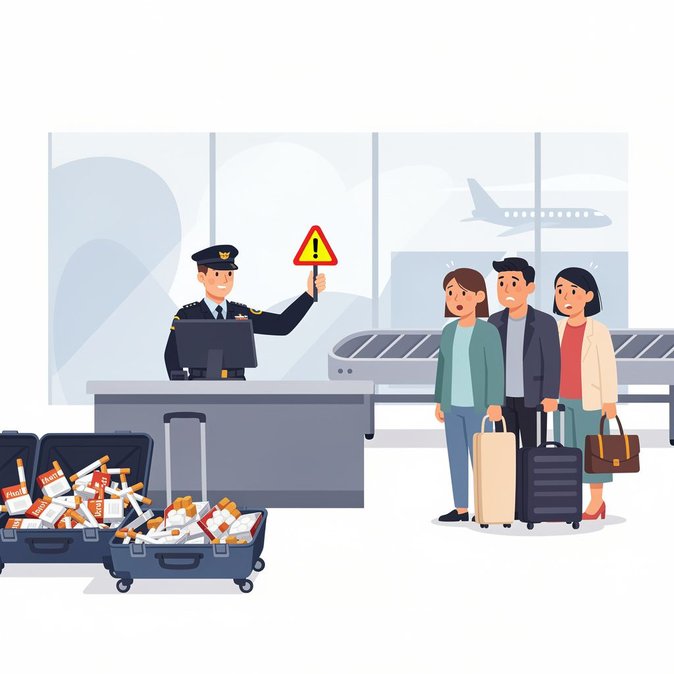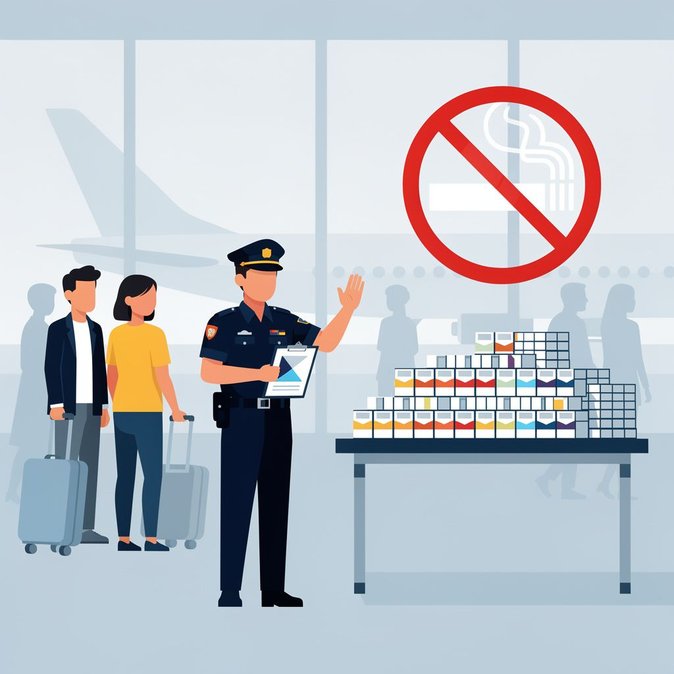
Australian Border Force (ABF) officers have refused entry to four Chinese nationals caught attempting to smuggle 145,529 cigarettes and vaping accessories worth an estimated AU$250,000 in unpaid duty. The passengers, aged 64-67, arrived from Shanghai on 10 September, but details of the enforcement action were released on 21 September. Under sections 116 and 102 of the Migration Act, the travellers’ temporary visas were cancelled on character grounds and they were detained pending removal. The incident follows a year in which ABF intercepted more than 214,000 illegal cigarettes at Melbourne Airport alone, reflecting a sustained crackdown on illicit-tobacco supply chains that often finance organised crime. For corporate mobility and relocation teams, the message is two-fold: Australia’s tobacco duty regime is aggressively enforced, and visa cancellation powers are being used more readily against non-compliant travellers. Employers should remind inbound assignees—not just tourists—of strict import limits (25 cigarettes or 25 grams of tobacco) and the requirement to declare goods that exceed allowances. The case also illustrates ABF’s increasing reliance on baggage-profiling and data analytics to pre-select high-risk passengers. As the agency rolls out the Digital Incoming Passenger Card nationwide, carriers and mobility providers can expect even earlier intervention in the traveller journey, potentially including pre-departure warnings or boarding-gate refusals for declared or suspected contraventions. Illicit-tobacco seizures now feature in ABF’s quarterly enforcement statistics, and mobility managers moving staff through Australian gateways should monitor these bulletins to update compliance briefings and mitigate sudden travel disruptions.
Source: Sydney Times