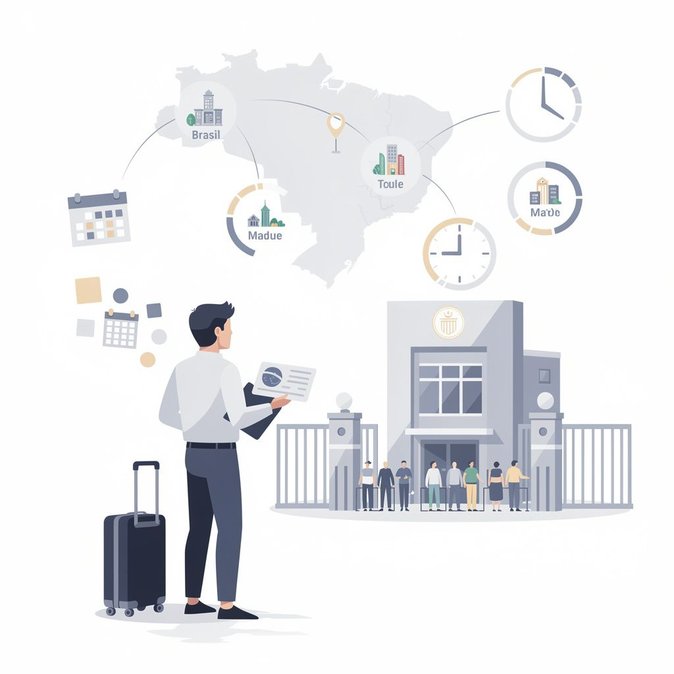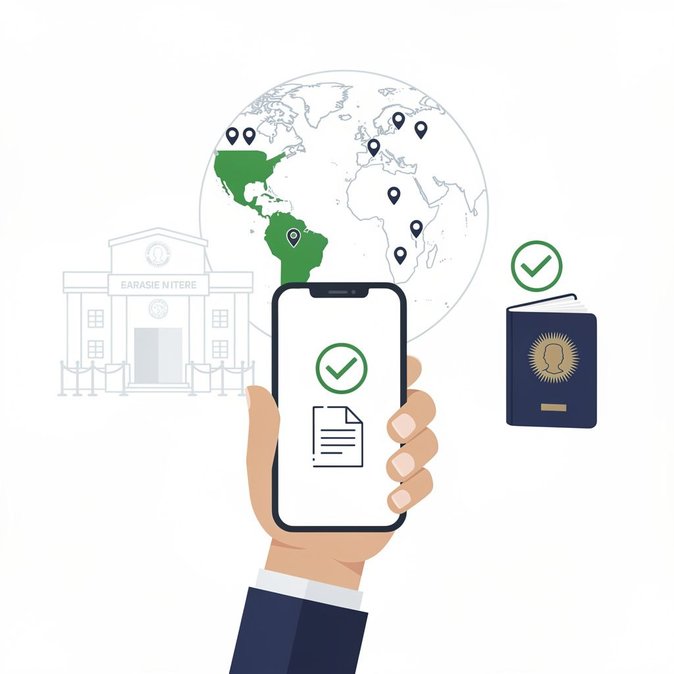
With just under two weeks until the first-round presidential election, Brazil’s Superior Electoral Court (TSE) has activated its digital platform for voters who will be outside their registered electoral district on election day. The measure, announced on 21 September 2026, allows Brazilians living or travelling abroad to file an electronic “justificativa” for their absence using the e-Título mobile app or the TSE web portal. Under Brazilian law, voting is compulsory. Citizens who fail to vote or justify their absence within 60 days face fines of up to R$3.51 per round, difficulties renewing passports, and—in the case of public-sector workers—possible suspension of salaries. In previous elections, many expatriates and frequent business travellers complained about long consular queues and postal delays. The new system is designed to remove that bottleneck by accepting supporting documentation such as airline e-tickets or foreign work permits via upload and issuing an instant digital receipt. The Court reports that more than 4.8 million Brazilians reside overseas, concentrated in the United States, Portugal, the United Kingdom, Japan and Paraguay. Business-mobility managers have welcomed the change; multinationals with large numbers of Brazilian assignees say they can now schedule international rotations over the election period without the risk of immigration hold-ups caused by unpaid electoral fines when employees renew passports or request police-clearance certificates. Practically, travellers should download or update the free e-Título app (iOS and Android) before departure and keep scans of boarding passes or residence cards handy. Those who are unsure where they will be on 4 October can file the justification proactively from abroad on election day itself or any time until 19 November for the first round (and 29 December for a second round). The TSE also confirmed that consular posts will keep limited in-person services for voters who prefer the traditional paper form, but warns that staffing is reduced because of the electoral calendar. By streamlining absentee compliance, the Court hopes to cut administrative costs, reduce consular workloads and ensure higher overall electoral participation—even among Brazil’s globally mobile workforce and diaspora communities.
Source: Tribunal Superior Eleitoral