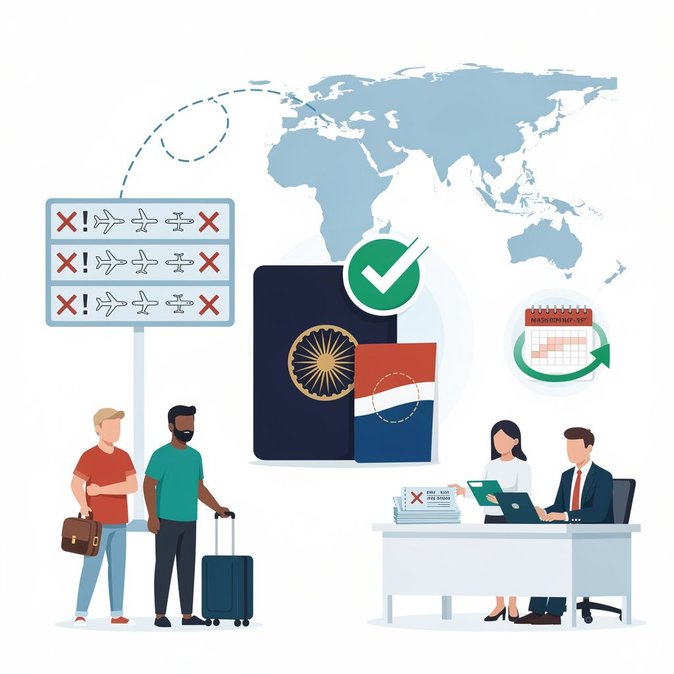
India’s push to digitise business immigration took another leap forward on 22 September with the formal launch of an online sponsorship-letter module for the e-Production Investment Business Visa (e-B-4) on the National Single Window System (NSWS). The module, unveiled by the Department for Promotion of Industry and Internal Trade (DPIIT), allows registered Indian companies to generate, in minutes, the invitation letters foreign experts need to apply for the specialised visa. Under the e-B-4 category, announced last year, highly-skilled technicians, production supervisors and quality-assurance specialists can enter India for up to 180 days to set up or scale manufacturing lines under approved Production Linked Incentive (PLI) projects. Until now, companies had to navigate a paper-based process involving local Foreigners Regional Registration Offices and multiple wet-ink signatures, often delaying plant-commissioning timelines. The new portal integrates real-time verification of a firm’s Corporate Identification Number with the Ministry of Corporate Affairs database and uses API links to the Bureau of Immigration’s IVFRT platform. Once generated, the digital sponsorship letter is auto-uploaded into the applicant’s e-visa form, eliminating duplicate data entry. DPIIT says the module will cut application processing times by 60 percent and could save industry an estimated ₹85 crore a year in compliance costs. Legal advisers welcome the move but caution that immigration officers at secondary airports will need training to recognise the QR-coded digital letters. In the short term, travellers are advised to carry a printed copy to avoid confusion. Multinational clients in the electronics, auto-components and pharmaceuticals sectors—sectors with tight PLI milestones—stand to benefit the most. The e-B-4 upgrade underscores India’s broader strategy to make its immigration ecosystem investor-friendly ahead of the 2027 deadline for doubling manufacturing exports. Companies contemplating green-field projects should factor in the faster onboarding cycle when planning expatriate budgets for the next financial year.
Source: Press Information Bureau