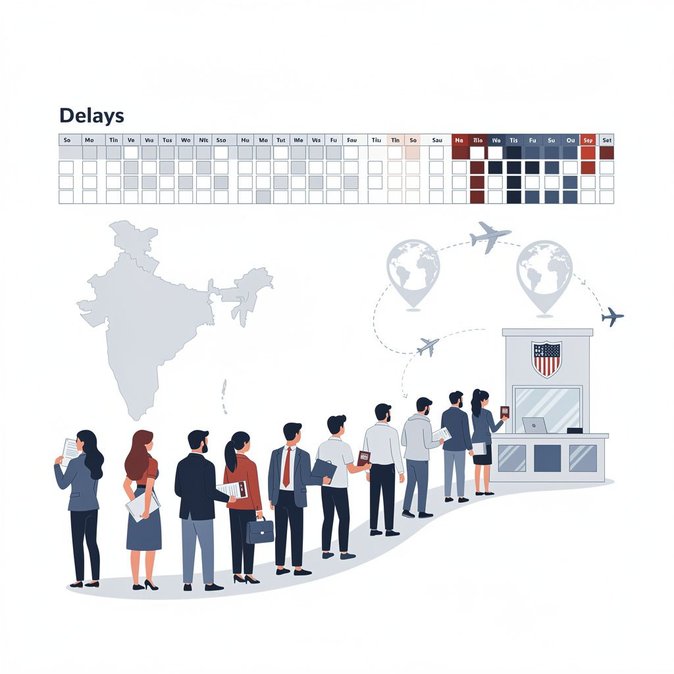
The White House has renewed the presidential proclamation that bars certain H-1B visa beneficiaries from entering the United States unless their employer pays a one-time US$100 000 fee. First introduced in September 2025, the measure—currently under court challenge—will now remain in force until 21 September 2027. The policy targets foreign professionals who are outside the US and require admission in H-1B status. Renewals for workers already in the country are generally exempt, but Indian nationals securing fresh approvals or awaiting stamping at consulates are squarely in the cross-hairs. According to administration figures, the fee has slashed registrations by major IT staffing firms by over 90 %. The extension comes despite a Massachusetts district-court ruling in June 2026 that vacated the payment requirement. The government has appealed, and the First Circuit refused a stay, leaving the rule’s enforceability murky. Separately, the US Chamber of Commerce is litigating the fee in the DC Circuit. Indian IT services giants and US tech multinationals alike will need to model worst-case scenarios in workforce planning, including higher up-front costs, delayed deployments and potential rejection of exemption requests. Smaller start-ups that rely on direct hires from India could find the six-figure charge prohibitive. Immigration counsel recommend budgeting the fee while monitoring court outcomes. For mobility teams the immediate to-do list is clear: audit any employees outside the US who need to ‘activate’ an approved petition, evaluate premium-processing upgrades to lock in travel dates before further policy shifts, and brief hiring managers on alternative talent pathways such as L-1 intracompany transfers or near-shore hubs in Mexico and Canada.
Source: Business Standard