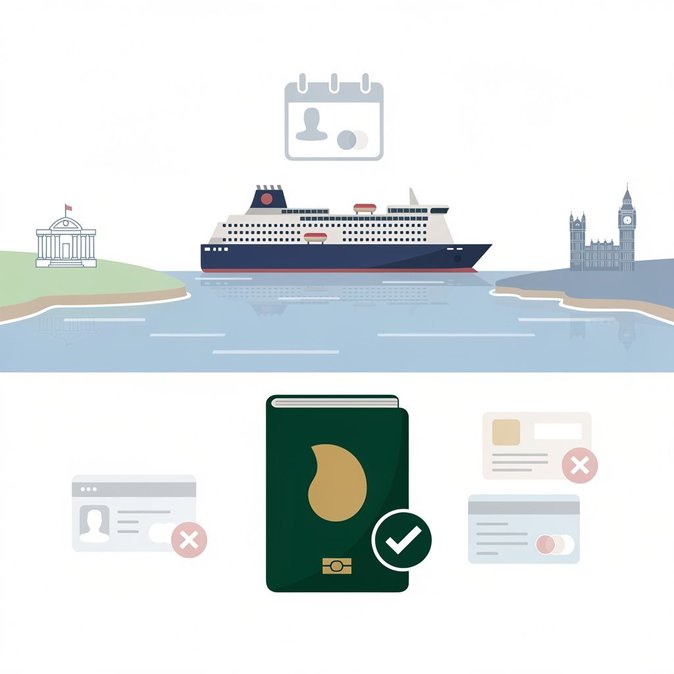
Ireland’s Department of Foreign Affairs (DFA) quietly amended its official travel advice for Great Britain on 24 September to reflect the ferry passport requirement coming into force on 28 September. While Irish citizens have always been legally entitled to enter the UK without a passport, carriers determine what identification they accept. The DFA notice now explicitly states that “the majority of ferry companies, including Irish Ferries and Stena Line, require that Irish citizens present a valid Irish passport or passport card for travel between Ireland and the UK.” The update brings the sea sector into line with aviation, where Aer Lingus, Ryanair and most other airlines have insisted on passports since February. The advisory also reminds travellers that Irish citizens are exempt from the UK’s ETA scheme, but must still carry proof of nationality. For employers, the clarification removes lingering confusion about documentation for short-notice travel. Mobility professionals should circulate the DFA link and update pre-trip checklists. The advice is particularly relevant for dual nationals who may rely on a UK passport when outbound but an Irish one on return; carrying both documents is recommended until carrier systems fully synchronise. Failure to heed the new guidance could lead to denied boarding and missed meetings. Companies should consider adding contingency clauses to travel insurance and exploring alternative virtual-meeting options during the bedding-in period.
How VisaHQ can help
VisaHQ simplifies the visa application process for individuals and businesses. Check current travel requirements, prepare the required documents and manage your application online through the VisaHQ Ireland portal.More From Ireland
View all
Higher-education minister urges colleges to deliver programmes overseas instead of importing more international students
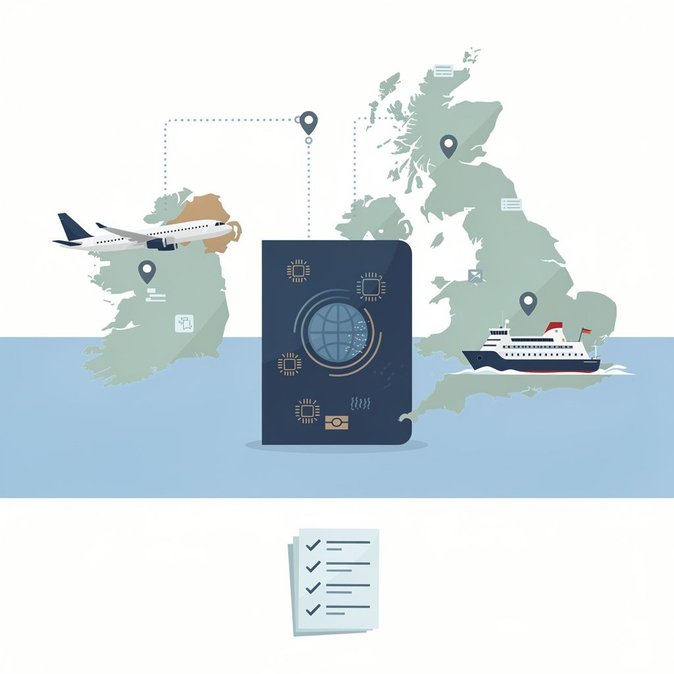
UK Foreign Office adds ID rules to Ireland travel advice, highlighting passport-only policy on CTA routes