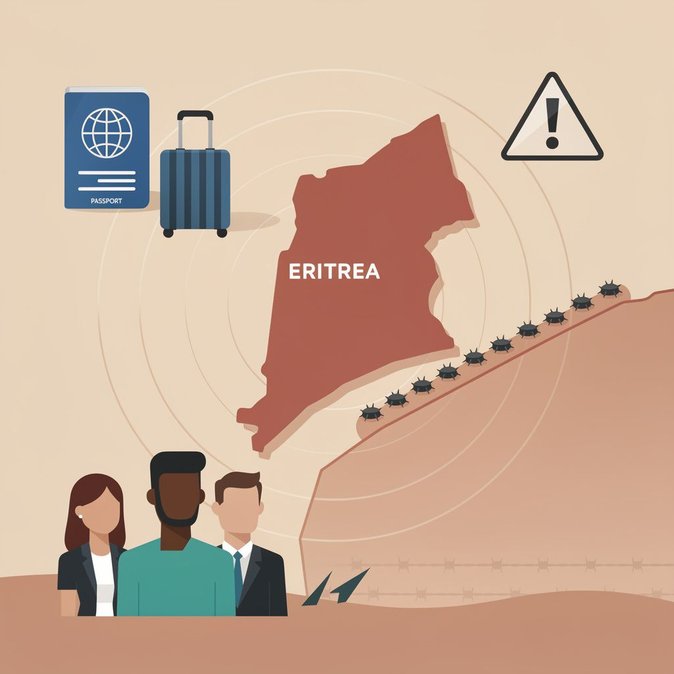
Late on September 24, the U.S. Department of State quietly refreshed its travel advisory for Eritrea, keeping the country at Level 2 (“Exercise increased caution”) but making multiple editorial changes, including the removal of outdated COVID-19 hyperlinks and an expanded section on wrongful detentions. The notice highlights continued restrictions on consular access outside the capital Asmara and warns of landmines in remote areas. Although the advisory level itself did not change, the update is significant for global mobility teams that manage assignee travel to the Horn of Africa. Under many corporate travel-risk policies, any modification—regardless of level shift—triggers a fresh duty-of-care assessment. Employers with operations in the mining and construction sectors should ensure staff register with the Smart Traveler Enrollment Program (STEP) and carry satellite communication devices when traveling outside main urban centers. The advisory also underscores a trend: since July, State has re-issued more than 30 country pages to standardize formatting and strip out pandemic-era references. Companies should not assume that a stable advisory level means no changes; instead, they should set alerts for the “Last Updated” field on high-risk destinations. From a compliance standpoint, organizations subject to the Foreign Corrupt Practices Act must also note Eritrea’s expanded “other” risk indicator, which references opaque customs procedures that could expose travelers to bribery demands.