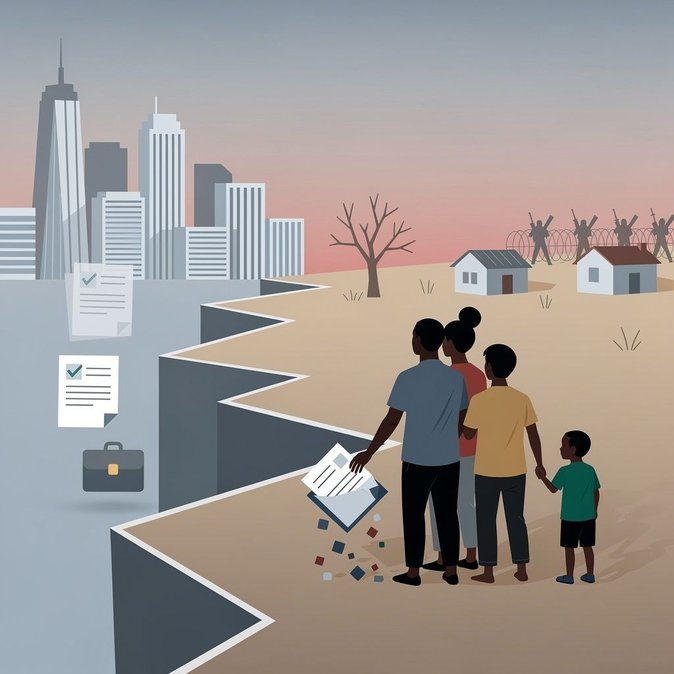
Human Rights Watch (HRW) released a report on September 25 detailing the return of more than 450 Haitian nationals in the two months since the United States allowed Haiti’s Temporary Protected Status (TPS) designation to lapse in July 2026. Researchers interviewed 44 deportees in Cap-Haïtien and documented cases of immediate housing insecurity and exposure to gang violence. For U.S. employers, the finding signals heightened legal exposure: once TPS ends, affected workers revert to their underlying immigration status, and in many cases work authorization ends with it. Companies risk I-9 non-compliance and potential labor-law penalties if they continue to employ former TPS holders without timely status adjustments. HRW’s report calls on the Biden administration to reinstate TPS or grant Deferred Enforced Departure while Haiti’s security situation deteriorates. Immigration attorneys note that USCIS could also issue automatic Employment Authorization Document (EAD) extensions, but no such guidance has been published. Affected industries include agriculture, hospitality and home-health services—sectors where Haitian nationals constitute a significant share of the workforce in Florida, New York and Massachusetts. Corporate mobility teams should audit employee records, identify expiring EADs, and budget for H-2B or humanitarian parole filings where feasible. The report may influence pending federal litigation challenging the TPS termination. If courts issue a stay, employers would face another round of documentation updates similar to the oscillating Venezuelan TPS rulings earlier this year.
Source: Human Rights Watch