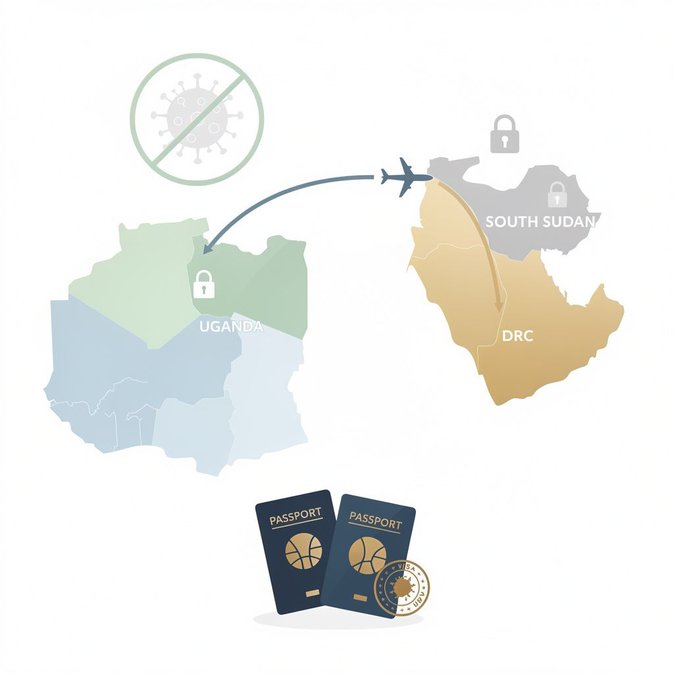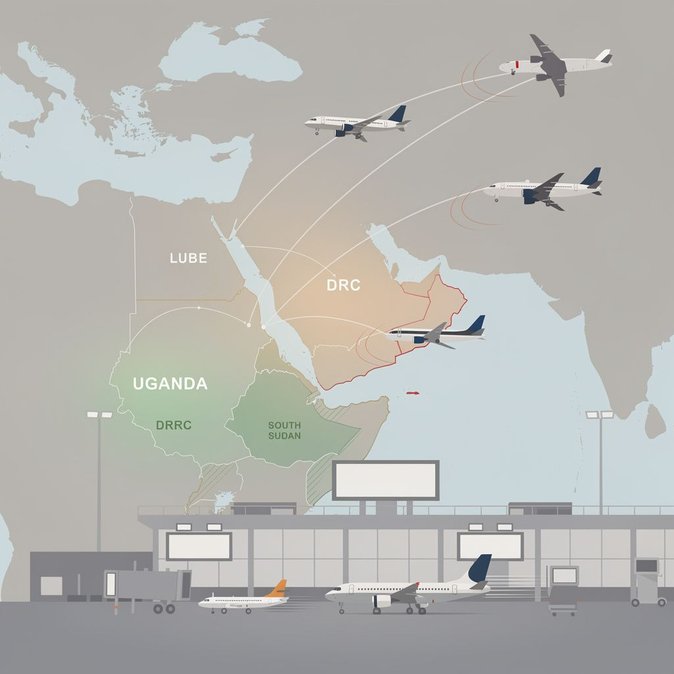
In its latest operational bulletin, Gulf News reports that the UAE has removed Ebola-related entry restrictions on travellers from Uganda, citing successful disease-monitoring outcomes and World Health Organization clearance. Controls on passengers originating from the Democratic Republic of Congo and South Sudan remain in force. The update comes in the same notice that details widespread schedule changes at Dubai, Abu Dhabi and Sharjah airports, including suspensions on several Iranian routes after regional regulators tightened compliance with US secondary-sanctions on Tehran-linked carriers. UAE authorities have barred all Iranian-registered airlines from operating passenger services to the Emirates “until further notice,” the bulletin states. For mobility teams the immediate impact is two-fold. First, corporate travellers and project staff who regularly shuttle between Kampala and Dubai can once again obtain visas on the standard timeline and without additional medical-clearance paperwork, easing personnel rotation for East Africa projects headquartered in the UAE. Second, supply-chain planners moving personnel to Iraq via Iranian connection points will need to reroute, as flights from Iran to Baghdad, Najaf and Kurdish airports have been halted. Meanwhile, Ebola screening for the DRC and South Sudan continues; companies must still secure pre-departure medical certificates and submit arrival health-declarations for staff originating in those countries. UAE airlines say they are monitoring the situation but have not yet reinstated seat capacity withdrawn when the curbs were imposed on 6 June 2026. Travel-risk consultants recommend that HR departments update their visa-instruction sheets immediately and double-check flight availability three days before departure, as seat inventories remain fluid amid the broader operational disruptions reported across UAE hubs this week.
Source: Gulf News