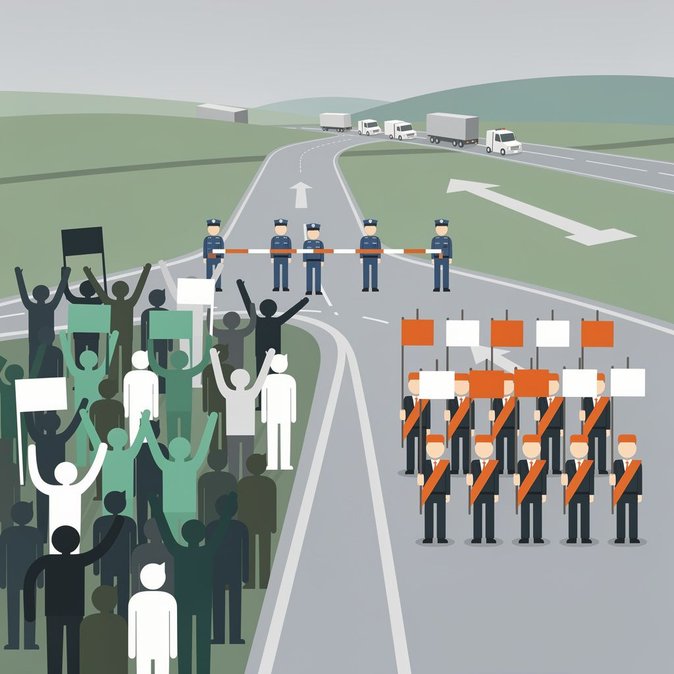
Ireland’s Minister for Justice, Home Affairs and Migration, Jim O’Callaghan, travelled to Munich on Saturday for the EU’s second ‘Migration Management Meeting’ – an informal but increasingly influential forum where interior ministers hash out rapid-response measures to irregular migration. Flanked by German Interior Minister Alexander Dobrindt and EU Home-Affairs Commissioner Magnus Brunner, O’Callaghan backed proposals for faster joint deportations of failed asylum seekers and a beefed-up Frontex mandate at key external borders. While Ireland is outside Schengen and runs its own visa regime, Dublin’s voice carries weight in Brussels on returns cooperation: the State already funds charter flights removing third-country nationals who had transited Ireland en route to Britain. O’Callaghan told reporters that “credible return pathways are essential if we are to maintain public confidence in a humane protection system”. He also briefed colleagues on Ireland’s experience of accommodating more than 110,000 Ukrainian refugees under the Temporary Protection Directive – a figure equivalent to over 2 % of the population. Germany and Austria pushed for a new EU Returns Coordinator with authority to negotiate readmission deals on behalf of all 27 member states, replacing today’s patchwork of bilateral arrangements. Sources say Ireland supports the idea provided it respects the Common Travel Area with the UK and does not jeopardise visa-waiver arrangements that underpin tourism between Ireland and North America. Civil-society groups have criticised the Munich track for sidelining the European Parliament and for what they call an ‘enforcement-first’ mentality. The Irish Refugee Council urged the Government to focus on reception-capacity funding rather than “symbolic deportations”. Nonetheless, business groups welcomed signs of a more coordinated EU stance, arguing that irregular flows fuel political calls for blanket work-permit caps that could hurt Ireland’s ability to attract tech and life-sciences talent. A third Munich meeting is pencilled in for December, by which time ministers hope to finalise a crisis-response protocol that could see Frontex deployed within 72 hours if any member state faces a sudden surge in arrivals. Ireland, though not in Schengen, would contribute staff and equipment under existing voluntary arrangements.
Source: Reuters Connect
How VisaHQ can help
VisaHQ simplifies the visa application process for individuals and businesses. Check current travel requirements, prepare the required documents and manage your application online through the VisaHQ Ireland portal.More From Ireland
View all
Torrential rain and flooding cause nationwide travel disruption in Ireland
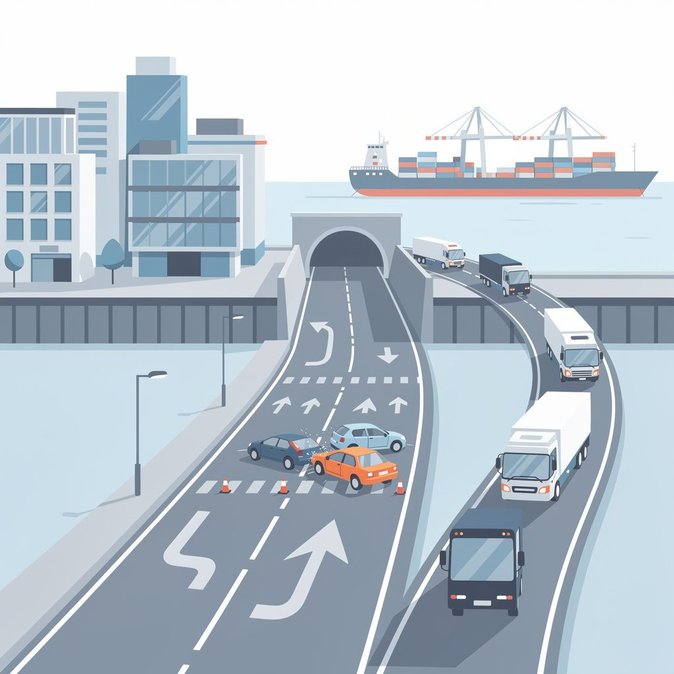
Serious collision on Dublin’s North Wall Quay snarls access to Dublin Port and Docklands business district