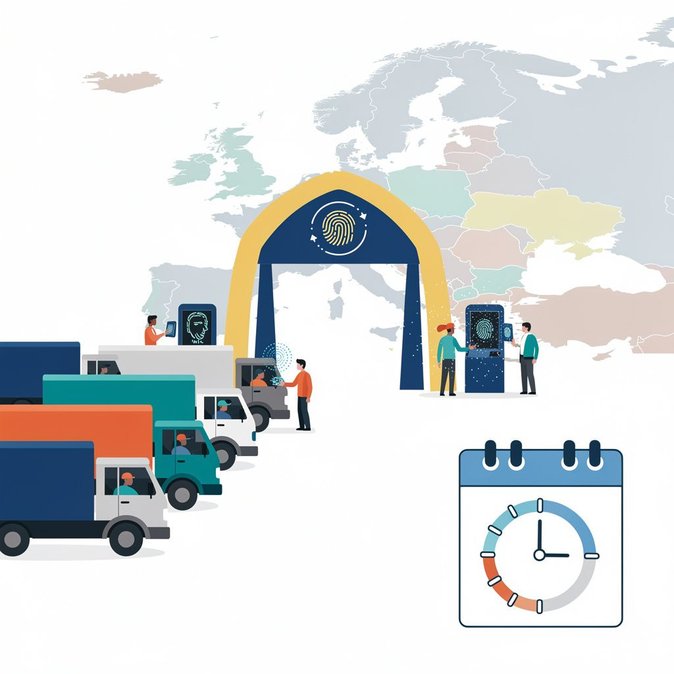
Irish freight operators have spent the past year preparing for the European Union’s new Entry/Exit System (EES) – but with the biometric border database now fully live at all Schengen external borders, the practical impact is finally becoming clear. For Irish-registered trucks that head directly to France or the Low Countries on the ‘land-bridge’ via Great Britain, nothing changes for the driver if he or she holds an Irish passport: EU citizens are exempt from EES registration. The real wrinkle arises when haulage firms employ UK or other non-EU drivers. Whenever those drivers cross from Dover or the Channel Tunnel into mainland Europe they must provide fingerprints, a facial image and passport data, creating a time-stamped digital record of entry. The same applies on the return leg. That record matters because border police and roadside inspectors can now verify, at the touch of a tablet, how many “Schengen days” a driver has accumulated out of the 90-in-180-day allowance for visa-free visitors. Over-stays can trigger fines or an immediate Schengen-wide re-entry ban – a nightmare scenario for hauliers who rely on a small pool of agency drivers. Fleet managers are therefore being urged to keep their own day-count spreadsheets and to rotate assignments so that UK drivers do not inadvertently ‘time out’ in France or Belgium. Journey planning is another new headache. Dover port estimates that first-time biometric enrolment adds three to five minutes per driver at busy peaks; hauliers are being advised to pad turn-round schedules and to remind drivers to remove gloves and face coverings well before the booth. The Irish Road Haulage Association (IRHA) says the extra friction will be most acute on high-volume pre-Brexit routes such as Dublin–Holyhead–Calais, which still carry thousands of Irish trailers every week. EES is only the first piece of Europe’s digital border jigsaw. Later this year the long-delayed ETIAS travel authorisation is expected to launch, adding a pre-registration step for visa-exempt tourists and business travellers. While ETIAS will not apply to Irish citizens (or to journeys that start and finish within Ireland), it will catch many third-country national drivers. Hauliers therefore face a twin-track compliance challenge: ensuring that each non-EU driver has both an ETIAS approval before departure and enough days left in the Schengen counter when the tachograph ticks over on the return leg. For now, though, the immediate priority is education. “Irish companies that subcontract UK-licenced drivers need to understand that passport stamps are gone; the computer knows exactly when your driver entered,” warns IRHA policy director John Loughran. “If you don’t keep parallel records, you could lose a key driver at the roadside – and your load with him.”
Source: HGV Ireland
How VisaHQ can help
VisaHQ simplifies the visa application process for individuals and businesses. Check current travel requirements, prepare the required documents and manage your application online through the VisaHQ Ireland portal.More From Ireland
View all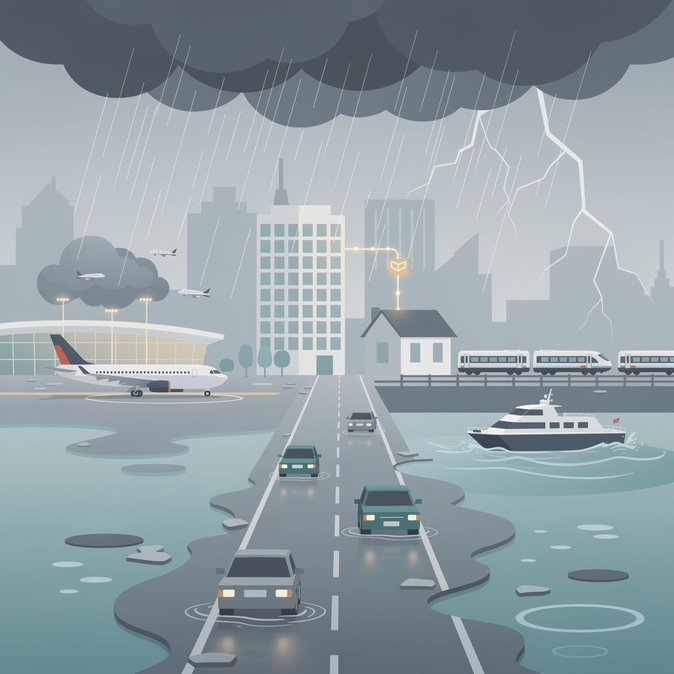
Torrential rain and flooding cause nationwide travel disruption in Ireland
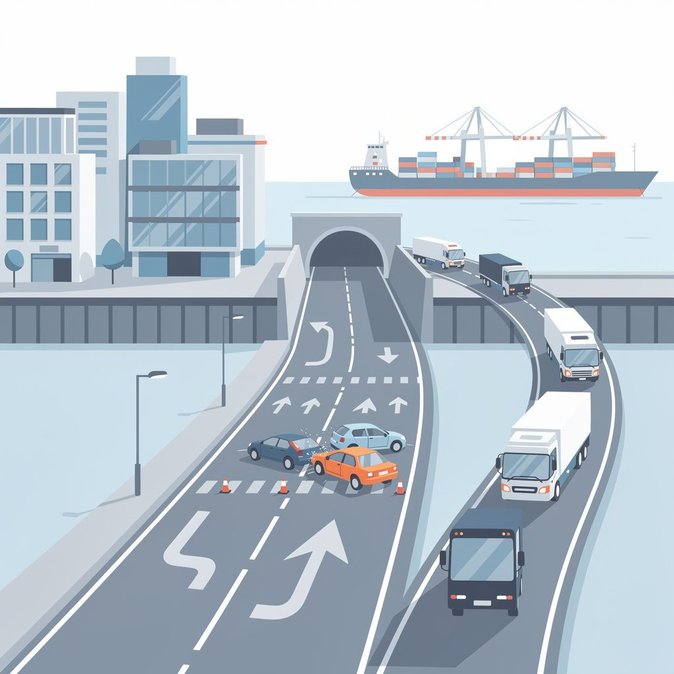
Serious collision on Dublin’s North Wall Quay snarls access to Dublin Port and Docklands business district