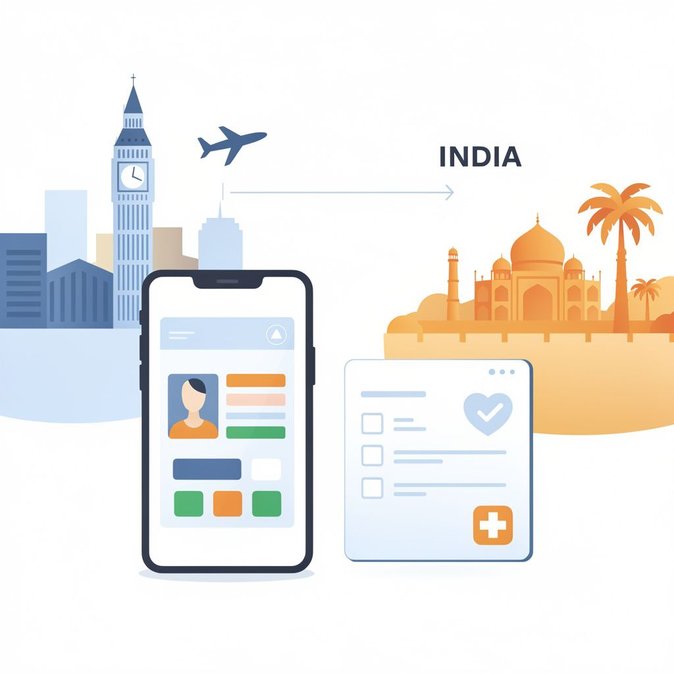
The UK Foreign, Commonwealth & Development Office (FCDO) quietly refreshed its India travel advisory on 26 September, adding specific language on India’s electronic Overseas Citizen of India (e-OCI) card and reiterating mandatory Ebola health-screening and self-declaration requirements for all international arrivals. The notice reminds British citizens of Indian origin that the traditional booklet-style OCI is being phased out in favour of a digital card and urges holders to update passport details on the OCI portal within 90 days of renewal to avoid late-fee penalties. It also flags that the Indian FRRO may be contacted for visa-extension assistance if travellers are stranded due to Middle-East air-space disruptions. From a mobility-compliance standpoint, UK-based multinationals sending staff to India must now factor in the self-declaration health form—still required despite the lifting of most Covid-era measures—and ensure visitors have at least two blank passport pages and six months’ validity, as Indian immigration officers continue to enforce these technicalities. The advisory maintains longstanding warnings against travel within 10 km of the India–Pakistan border and to parts of Jammu & Kashmir and Manipur, but the fresh operational notes on e-OCI and health screening are the most immediate changes for business travellers. FCDO updates are often mirrored by insurers in their risk matrices; corporates should circulate the new guidance to assignees and check that travel-risk platforms ingest the 26 September revision.