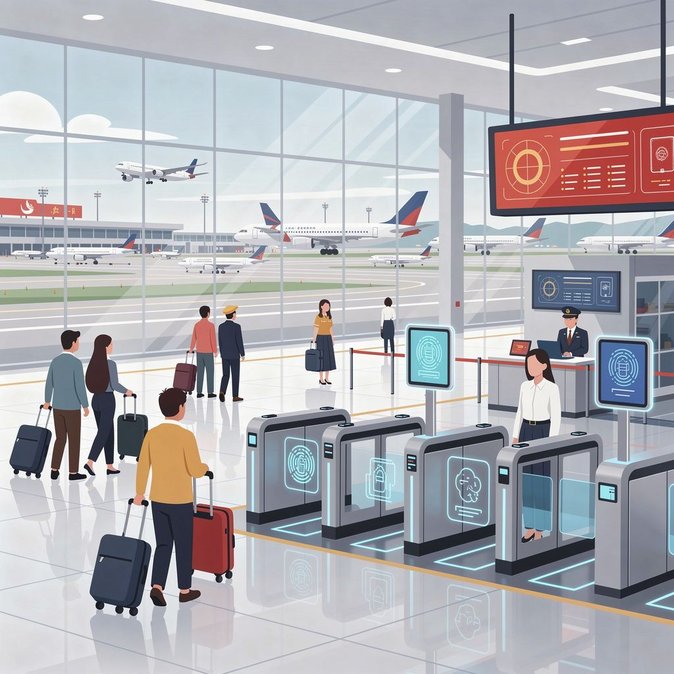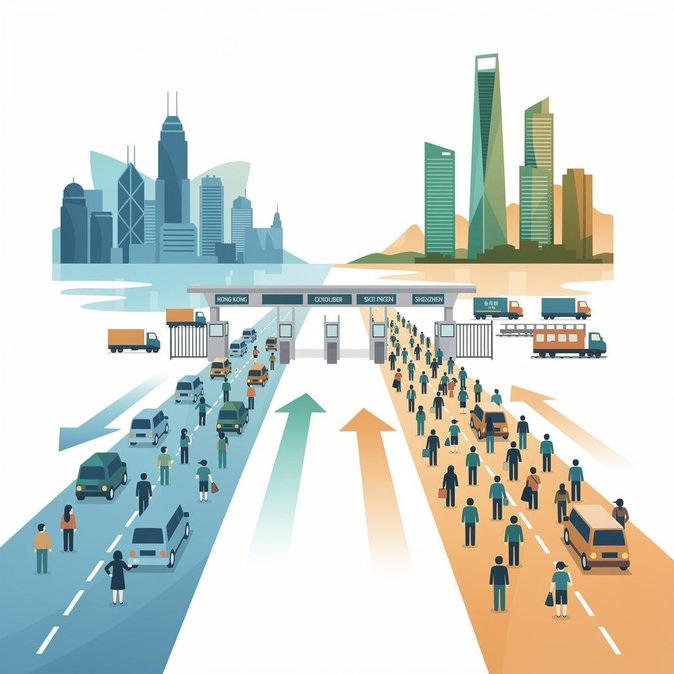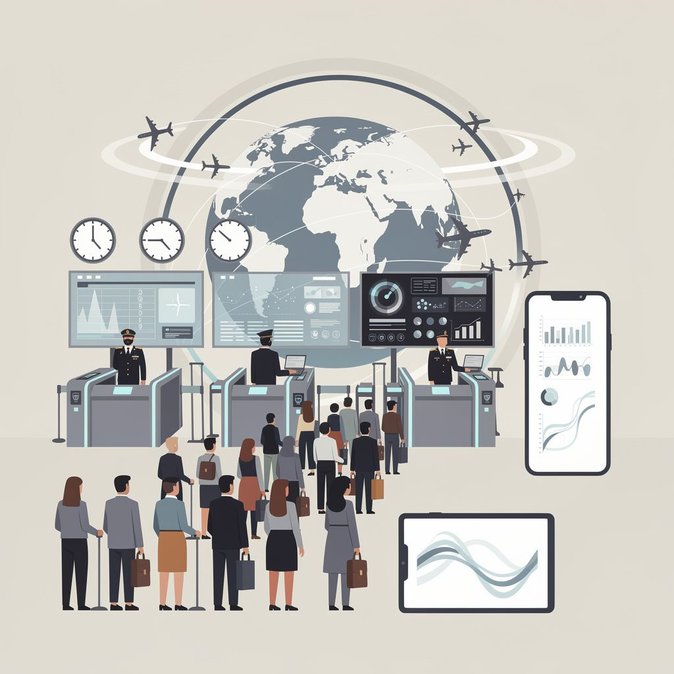
China’s National Immigration Administration (NIA) is preparing for what it says could be the busiest travel week since international borders reopened, forecasting an average of 2.15 million inbound and outbound movements every day between 1 and 7 October. The surge combines pent-up demand for overseas vacations, the return of expatriate Chinese for family reunions and a strong rebound of business travel now that most visa-free and visa-on-arrival channels have resumed. To keep traffic flowing, the NIA has ordered the country’s 315 land, sea and air border-checkpoints to extend counter hours, activate all 2,600 automated e-gates and put reserve inspection officers on 24-hour standby. Real-time passenger-flow dashboards have been pushed to the “NIA 12367” mobile app so that travellers can check waiting times before choosing a port of entry. Airlines have been asked to stagger arrival banks at Beijing-Capital, Shanghai-Pudong and Guangzhou-Baiyun, where international gates are already running at 93 percent of pre-pandemic capacity. The agency is also reminding foreign visitors to verify the validity of their visas and health insurance before departure; Chinese citizens, meanwhile, are being warned that some high-risk destinations remain subject to travel advisories under the new Exit-Entry Administration Regulation that took effect on 15 September. Cargo operators are benefiting as well: green-lane clearance will be offered to perishable goods and high-tech components crossing busy land borders such as Khorgos (Kazakhstan) and Pingxiang (Vietnam). For multinationals running regional assignment programmes, the numbers matter. Human-resources teams are being told to add at least two hours to typical clearance schedules at Tier-1 airports this week, and to budget for possible rerouting if arrival slots are capped. Relocation managers are also advised to download the NIA app and to brief assignees on electronic customs declaration options, which can shave 10-15 minutes off the process. Although the week-long Golden Week holiday is a domestic phenomenon, its ripple effects on global mobility are now truly international. A spike in connecting traffic through Hong Kong, Seoul and Singapore is already pushing average regional airfares up by 8-12 percent, according to Ctrip. Companies that fail to lock in travel or lodging early may face both higher costs and compliance headaches if overstays or missed renewal appointments occur because of bottlenecks at the border.
Source: Caipai News