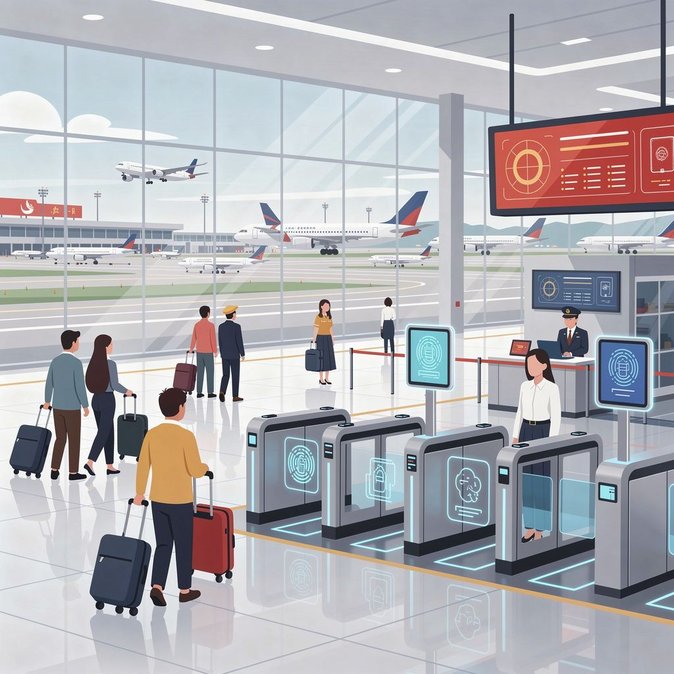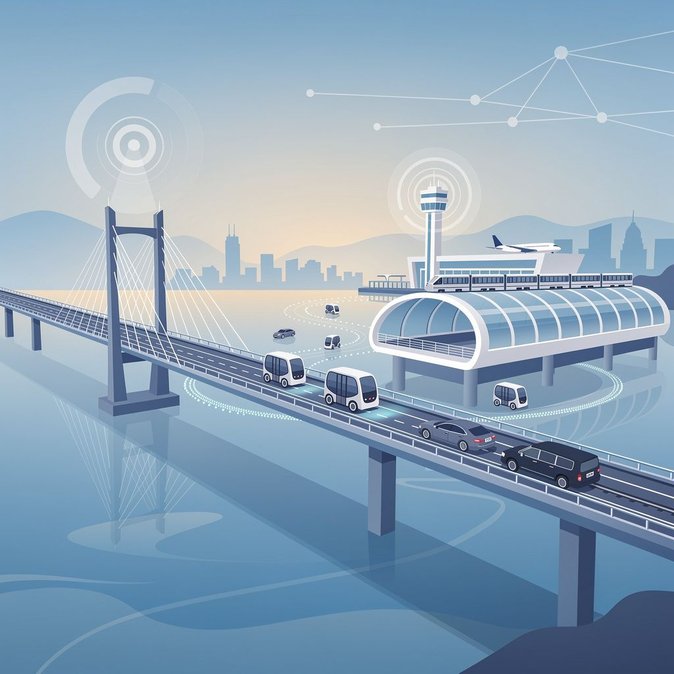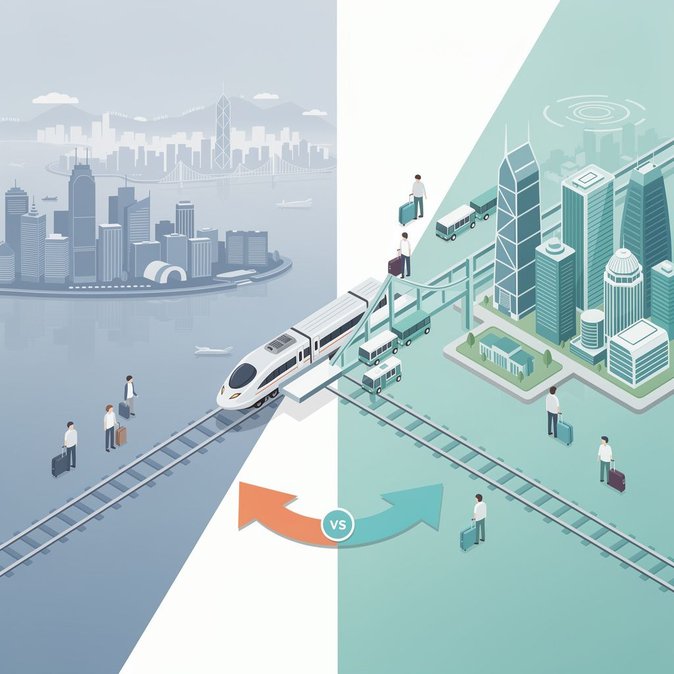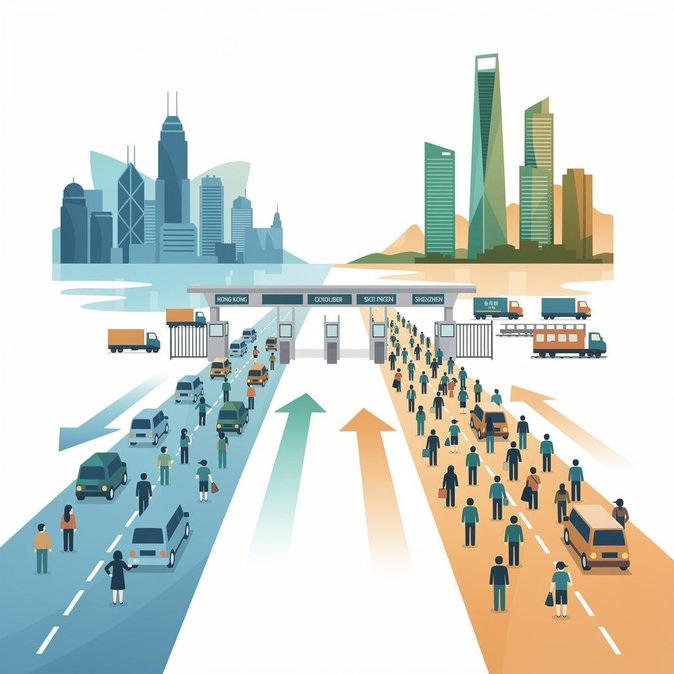
National Day morning brought a literal cross-current of travellers at the Lok Ma Chau spur-line, with Hong Kong residents queuing to head north for bargain shopping while mainland tourists streamed south for fireworks and dining deals. By 21:00 local time, Immigration Department counters had logged 269,567 mainland arrivals and 238,112 Hong Kong departures. Shenzhen’s Futian district malls reported foot traffic up 40 percent on last year, driven by trending 60 cm “mega egg tarts” and cut-rate spa packages. On the Hong Kong side, hotel occupancy in Tsim Sha Tsui hit 85 percent, buoyed by tourists taking advantage of temporary MTR fare rebates. Crowd-management turned high-tech: both sides deployed AI-enabled CCTV to forecast queue times, allowing officials to open extra counters within minutes when wait times topped 20 minutes. The trial is part of the Greater Bay Area’s push for “smart ports”, slated for wider rollout before Lunar New Year. For corporates, the two-way surge offers mixed signals. Retail and F&B operators in both cities enjoy brisk trade, but cross-border trucking firms report delays of up to an hour at the Shenzhen Bay Bridge as passenger traffic spills into freight lanes. Supply-chain managers moving time-sensitive goods should consider routing via the Hong Kong–Zhuhai–Macao Bridge, where volumes remain lighter. The data also hint at a structural shift: more Hong Kongers are choosing same-day trips to the mainland for leisure, suggesting sustained demand for the soon-to-launch multi-entry “Northbound Travel for Hong Kong Residents” fast-pass programme.
Source: South China Morning Post