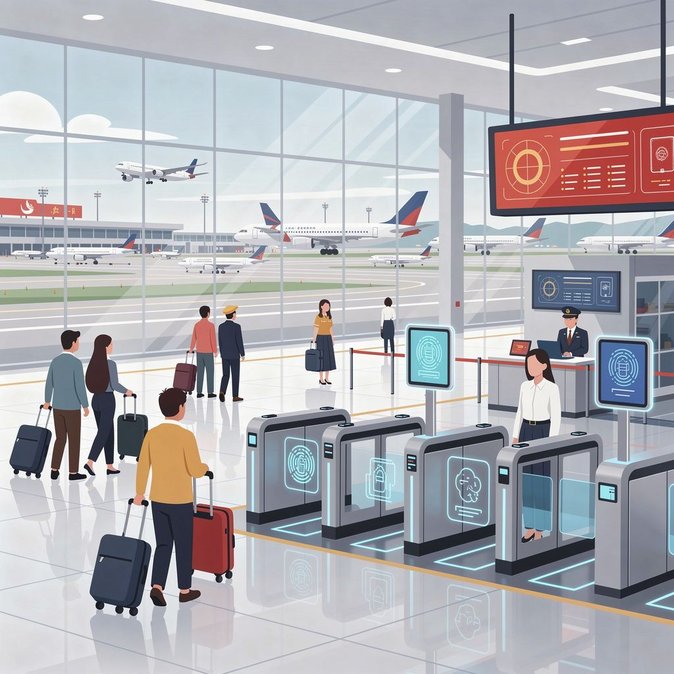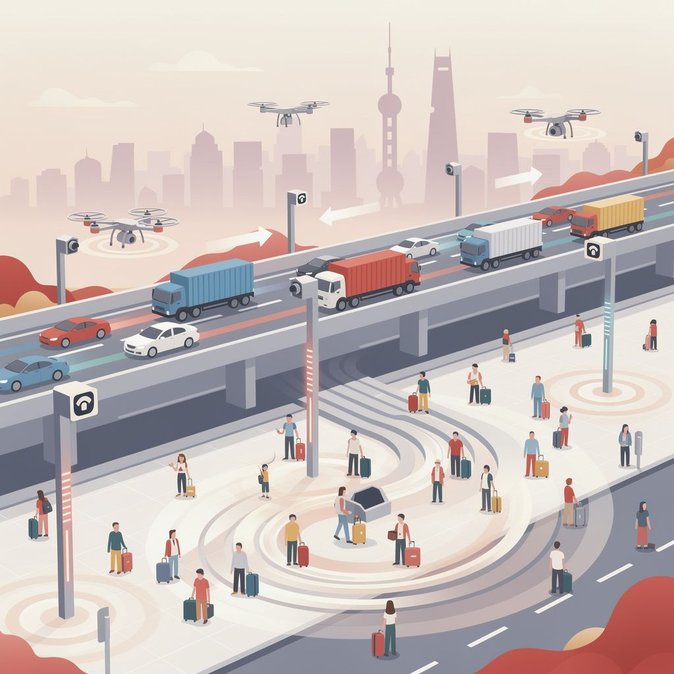
Shanghai’s Public Security Bureau has activated a multi-layer mobility management plan to keep China’s financial capital moving during the 8-day National Day break. Highway sensors showed outbound vehicle volume on key expressways such as G2 Beijing-Shanghai and G60 Shanghai-Kunming spiking from noon on 30 September; officials expect flows to remain elevated until 2 October and to invert for the return rush on 6-7 October. Using AI-driven video analytics, police are dynamically rerouting traffic before jams form and deploying drones to spot secondary collisions on cloverleaf interchanges. At tourist magnets like the Bund and Wukang Road, real-time pedestrian counters trigger a ‘pulse-release’ system—temporary one-way walking corridors that prevent density from exceeding international safety thresholds. For international travellers and assignees, the measures translate into smoother airport transfers and reduced risk of missing outbound flights. City authorities have published English-language infographics that map alternative taxi pick-up points during evening light-show closures. Ride-hailing firms Didi and Meituan have been asked to geo-fence high-risk zones and offer pre-paid fares to discourage cancellations. Corporate mobility teams relocating staff into Shanghai this week should build in extra time for highway checkpoints that enforce passenger-seat-belt rules with automated cameras; fines can be issued to rental-car companies, which then pass them on to corporate accounts. Freight forwarders moving exhibition equipment for next week’s import expo are being offered dedicated lanes after 23:00, but must pre-register licence plates.