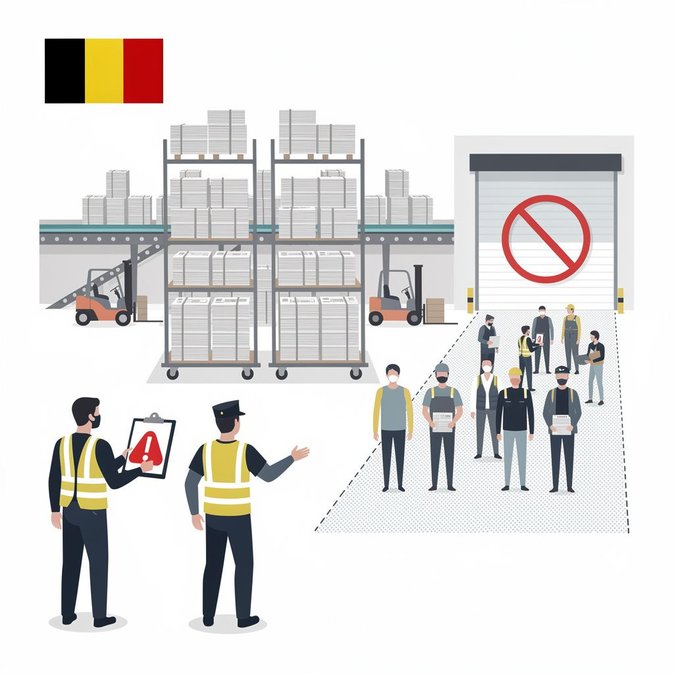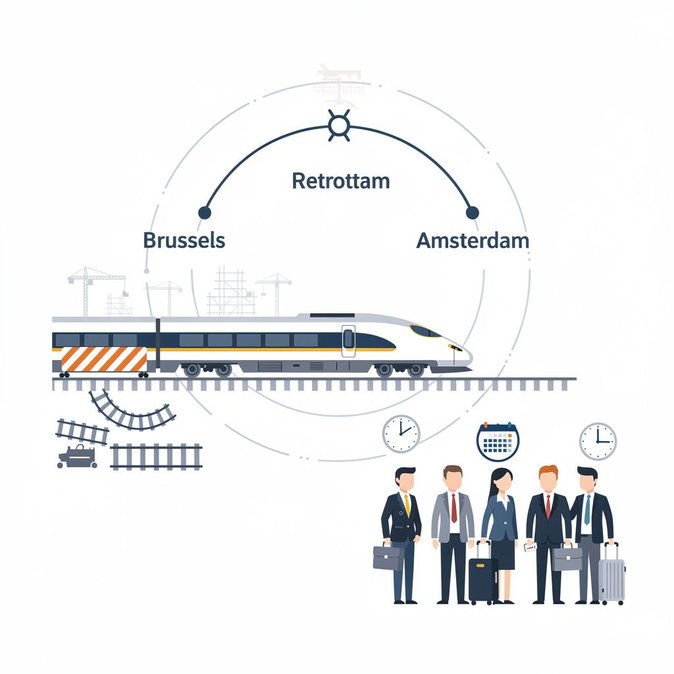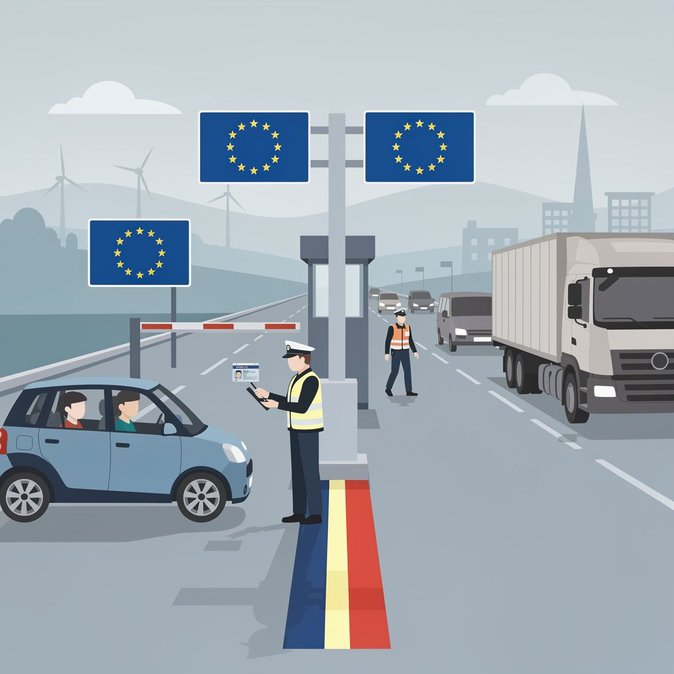
The European Commission’s running list of Schengen derogations, updated on 5 October, confirms that France will maintain checks at all its internal borders—including the busy crossings with Belgium—until at least 31 October 2026 and potentially through April 2027. Paris cites persistent jihadist threats, organised-crime-led migrant smuggling and heightened antisemitic violence as reasons for the extension. For Belgian residents who commute to Lille, Dunkirk or Calais, the practical effect is a continuation of random ID inspections on motorways, regional trains and Eurostar services originating in Brussels. Logistics operators moving high-value or time-sensitive freight across the E17 and A1 corridors also face sporadic delays as French customs ramp up vehicle checks. While the Schengen Borders Code allows temporary reintroductions in exceptional circumstances, business-lobby groups in both countries warn that rolling six-month extensions are becoming the norm rather than the exception, adding friction and uncertainty to what should be a frictionless market. The Belgian Foreign Trade Agency is gathering data on wait-time increases to support calls for better risk-profiling tools instead of blanket controls. Travellers should budget extra time, keep passports or national ID cards readily accessible and anticipate spot-checks on company vehicles. Employers may wish to issue bilingual attestation letters to mobile workers detailing the essential nature of cross-border assignments to minimise questioning at roadside inspections.