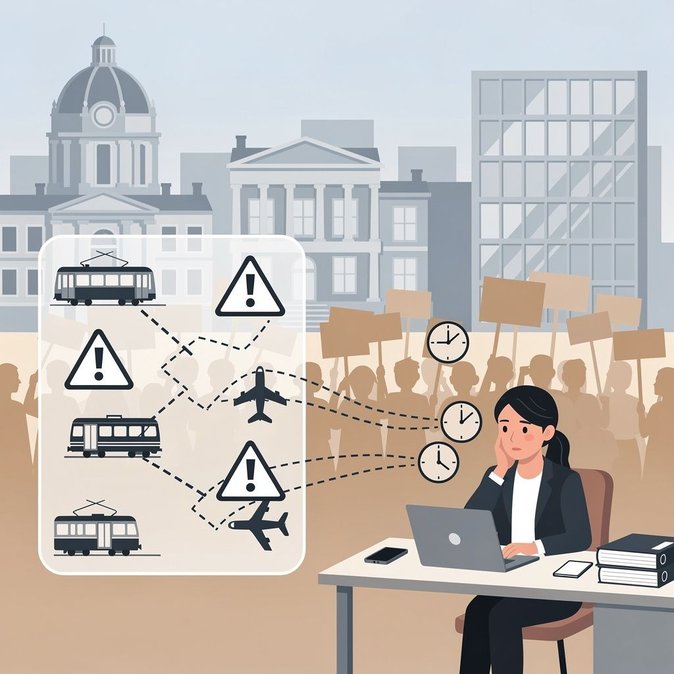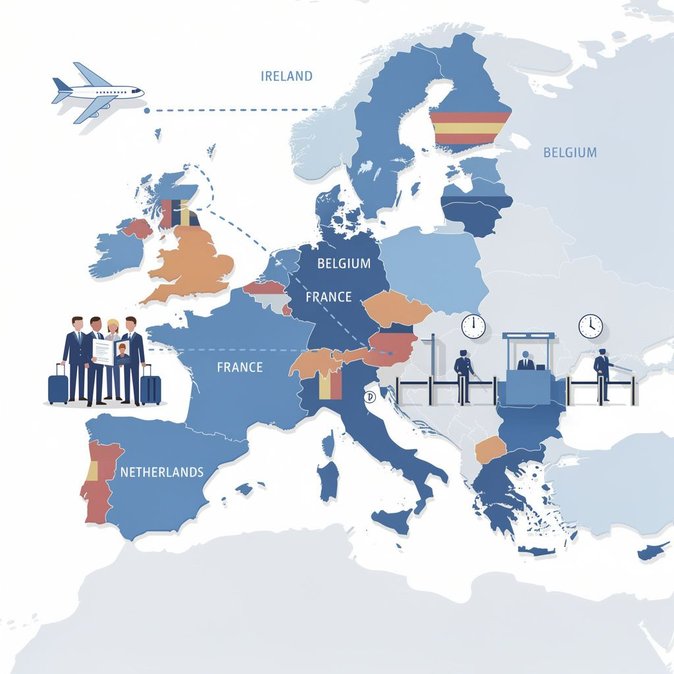
Ireland’s Department of Foreign Affairs (DFA) updated its travel advice for Belgium on 7 October, warning that travellers may face controls at Schengen borders neighbouring Belgium following recent decisions by France, Germany and the Netherlands to step up internal checks. The notice reflects a broader trend of ‘temporary’ controls within the Schengen Area that have become quasi-permanent since 2025. The advisory does not discourage travel but urges Irish citizens to carry passports at all times—even on short day-trips to cities such as Lille or Aachen—and to allow extra time for rail and road journeys. It also references Belgium’s current national threat level (3 of 4) following the October 2023 Brussels shooting and lists upcoming strike dates that could disrupt transport. For multinational employers managing Irish assignees in Brussels or Antwerp, the update is a reminder to audit employee document-carry policies. Many EU nationals rely on national ID cards rather than passports for intra-Schengen travel; however, spot checks often require an original passport to verify identity quickly. Failure to present proper ID can lead to fines or, in rare cases, short-term detention until identity is confirmed. Travel managers should incorporate the DFA’s guidance into pre-trip briefings and advise staff to retain physical copies of residence permits or Single Permit cards. Companies running cross-border shuttle services between Belgian HQs and client sites in France or Germany may also need to adjust schedules to absorb checkpoint delays.