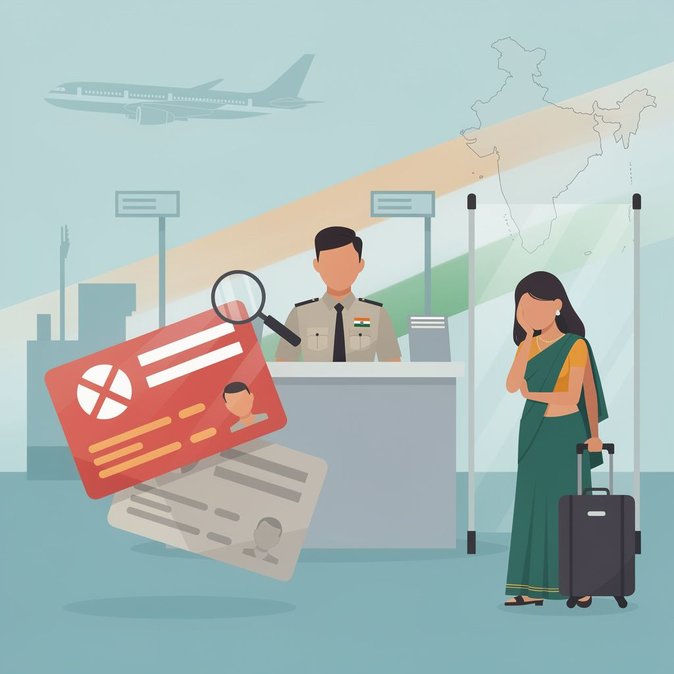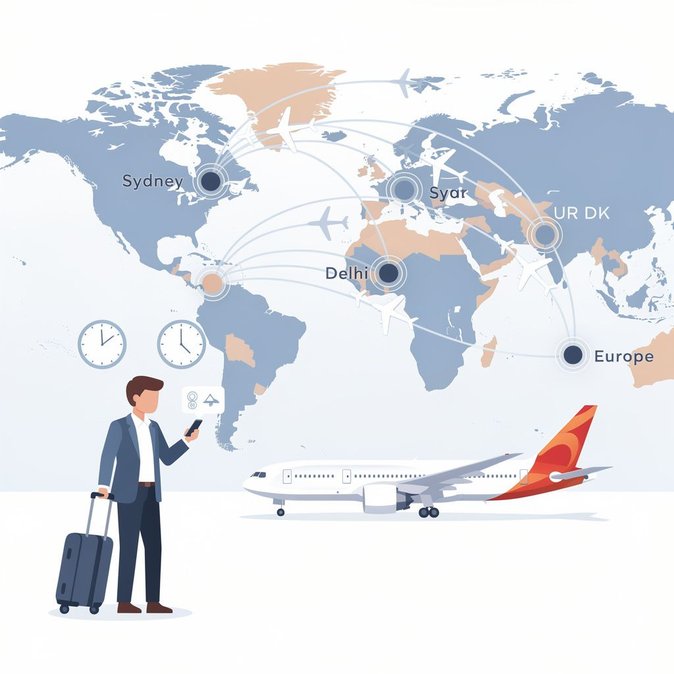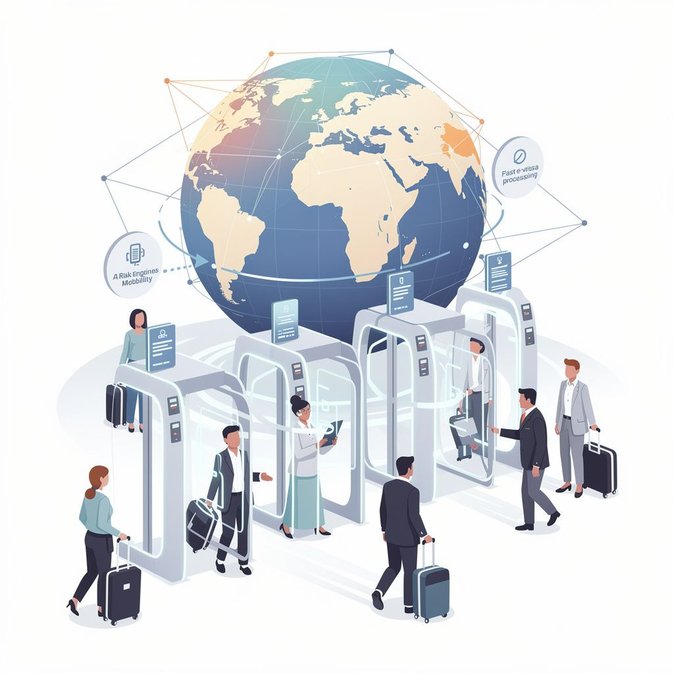
The Union Cabinet on 6 October 2026 approved a five-year extension and modernisation of the Immigration, Visa, Foreigners Registration & Tracking (IVFRT) scheme, earmarking ₹1,800 crore for the next phase (2026-31). IVFRT is the backbone of India’s border-management and visa-issuance ecosystem, linking 117 immigration check-posts, 15 Foreigners Regional Registration Offices and more than 850 district-level units. Under the fresh mandate the Ministry of Home Affairs will overhaul IVFRT’s core architecture to support full-funnel digital processing—from on-line visa applications and biometric enrolment to e-gate exit/entry authentication. Officials said the upgrade will allow the platform to clear 90 % of e-Visa requests within 48 hours and cut average passenger clearance time at airports from three minutes to under 30 seconds once the Trusted-Traveller e-gate programme is rolled out nationally. A major emphasis is on emerging technologies. The new stack will deploy AI-driven risk analytics to flag suspect travellers, integrate mobile wallets for fee payments in 135 currencies, and introduce multilingual chatbots for real-time status updates. A cloud-first data-centre strategy is expected to quadruple processing capacity ahead of the 2027 tourist season and the 2030 Commonwealth Games bid. For corporates the upgrade promises quicker business-visa turnarounds and fewer in-person FRRO visits—critical for relocating staff and meeting deal deadlines. Travel managers can also expect an API layer that feeds live visa status into global mobility dashboards, easing compliance tracking. The government hopes the project will boost medical tourism, MICE traffic and India’s attractiveness as a regional HQ location. Analysts, however, caution that data-protection safeguards must keep pace with the scale-up, noting that IVFRT will soon hold biometric and travel histories of more than 300 million travellers a year. The Home Ministry says the new system will be ISO 27001-compliant and host all data in India-based sovereign clouds.