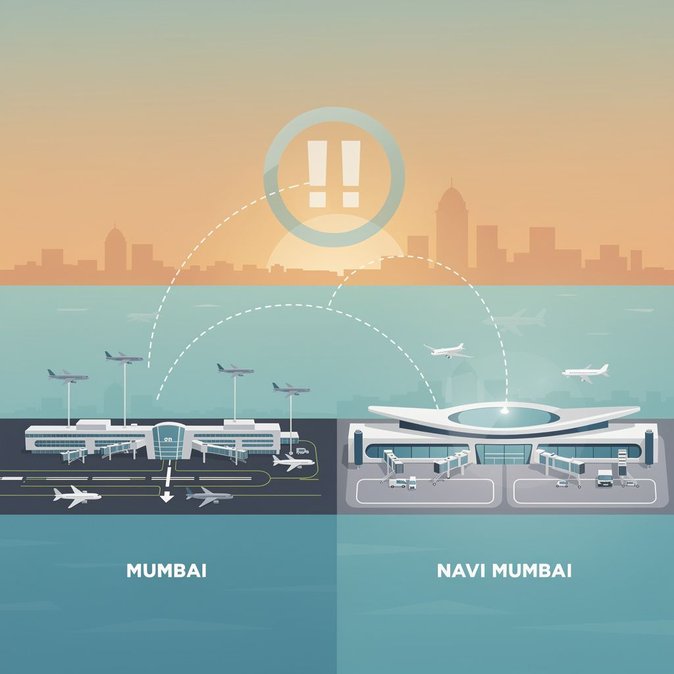
After a tense 90-minute meeting on 6 October 2026, the Ministry of Civil Aviation has told Adani Airport Holdings to pause its controversial proposal to shift 265 weekly international departures from Mumbai’s Chhatrapati Shivaji Maharaj International Airport (CSMIA) to the yet-to-open Navi Mumbai facility. The directive, confirmed on 7 October, spares 46 international airlines an immediate operational shake-up that was slated for the winter schedule starting 25 October. Airlines had argued that splitting crews, ground-handling contracts and flight inventories across two airports would drive up costs and confuse passengers. Industry body IATA said carriers were prepared either to suspend routes or seek regulatory relief. The ministry has now convened a follow-up workshop for 13 October to hammer out a phased transition plan, aligning it with CSMIA’s terminal-redevelopment timeline that stretches into 2029–30. For mobility and travel managers the stay order is significant: corporate itineraries booked months in advance will no longer require last-minute rerouting via Navi Mumbai, and international transferees arriving in India’s commercial capital can keep using existing ground-transport and hotel arrangements. However, officials have cautioned that relocation is deferred—not cancelled. Companies should therefore monitor airfare differentials, as Navi Mumbai’s higher user-development fee could eventually flow into ticket prices once the move resumes. The episode also exposes a broader infrastructure challenge: India’s megacities are racing to add green-field airports (Noida, Navi Mumbai, Jewar) while retrofitting ageing terminals, often forcing airlines to play ‘musical airports’. Policy analysts are calling for a national slot-coordination framework that balances capacity across metropolitan clusters to avoid such disruption in future.
Source: Business Today