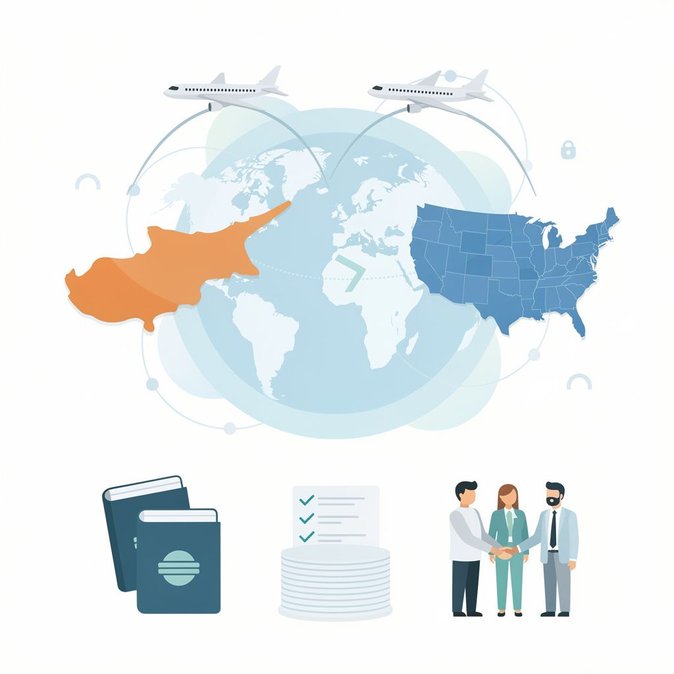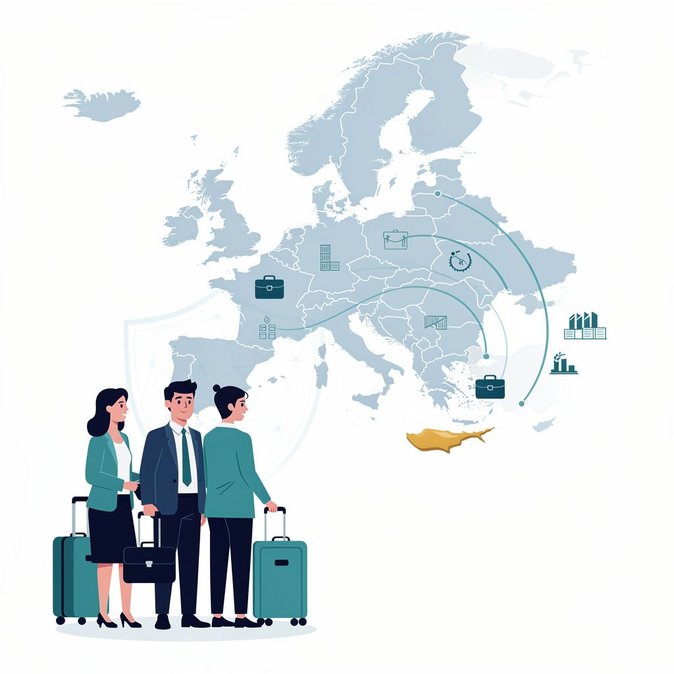
Mediterranean EU leaders meeting at the MED9 Summit in Split, Croatia, on 8 October gave their collective backing to Cyprus’ long-sought accession to the Schengen area, describing Nicosia’s technical readiness as “positive” and urging the Council of the EU to conclude talks swiftly. The support was formalised in the summit’s joint declaration and echoed in a bilateral meeting between President Nikos Christodoulides and European Commission President Ursula von der Leyen. According to Cypriot officials, the European Commission’s 2025/26 Schengen Monitoring Report found Cyprus compliant with external-border management, visa issuance, police co-operation and data-protection standards. Remaining hurdles are largely political: some member-states want additional reassurance on controls along the UN-patrolled Green Line that separates government-held areas from the Turkish-controlled north. MED9 leaders argued that full Schengen participation by Cyprus would strengthen the bloc’s external border in the Eastern Mediterranean, improve information-sharing through the Schengen Information System and facilitate legitimate travel for business and tourism alike. For Cypriot companies, membership would remove passport checks on trips to 27 European countries—cutting travel times and ancillary costs for everything from financial-services roadshows in Frankfurt to construction bids in Paris. President Christodoulides used the Split gathering to lobby counterparts for a target date before Cyprus’ 2028 presidential elections, framing entry as the final piece in the island’s post-EU-accession integration. Von der Leyen signalled Brussels’ willingness to “work with member-states to find a way forward,” although no timetable was announced. If political agreement is reached, Cyprus would join Bulgaria and Romania—both also in the queue—in triggering a Council decision that requires unanimity. EU diplomats say a package deal that links Green Line monitoring to broader migration-management reforms may emerge before the December 2026 Justice and Home Affairs Council.
Source: Politis English