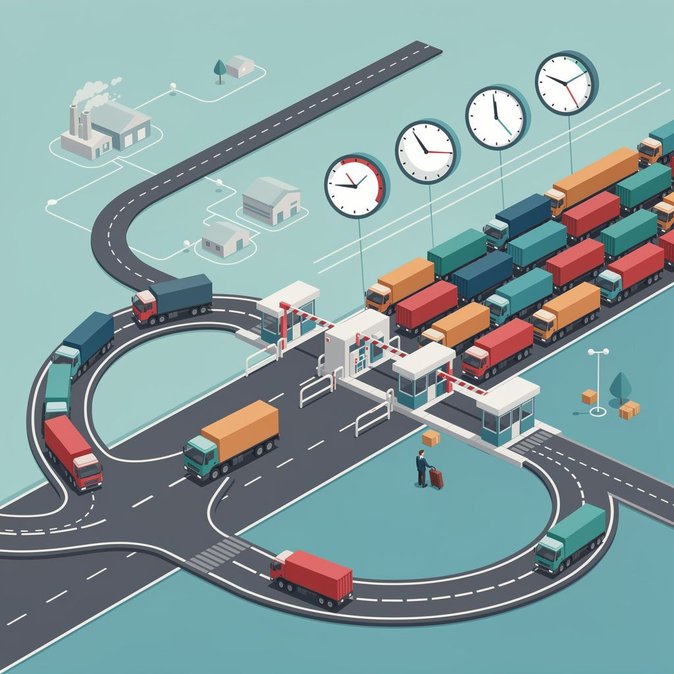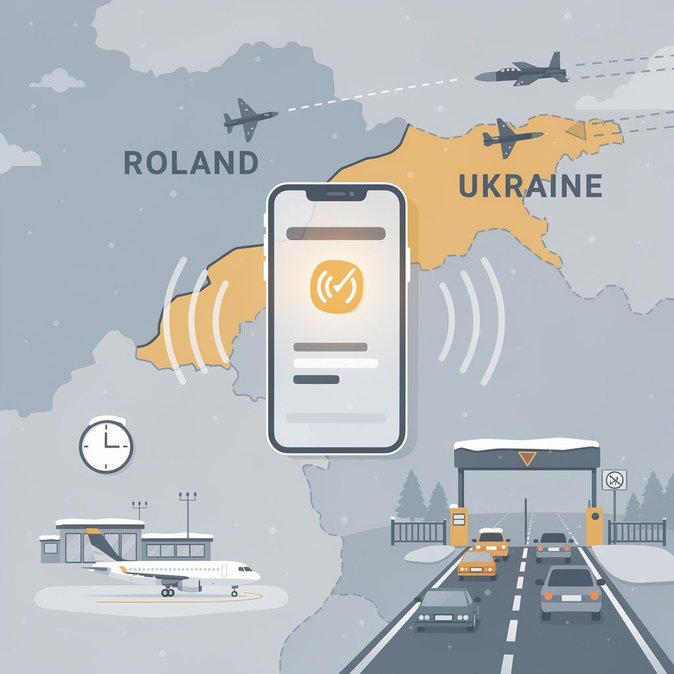
Residents of Poland’s south-eastern Podkarpackie and Lubelskie provinces woke on 8 October to government push notifications warning that military aircraft would be active overhead. The Interior Ministry’s alert followed a pre-dawn barrage of Russian cruise and ballistic missiles targeting cities across neighbouring Ukraine. Although Poland’s air-defence system was not activated, the government said it was tracking the missiles and scrambling combat aircraft as a precaution. The warnings are part of Poland’s “Renegade/Sarex” protocol, introduced after the 2022 Przewodów incident in which a Ukrainian interceptor missile fell on Polish territory. Under the protocol, mobile alerts are sent whenever missiles are detected within a 300-kilometre radius of the border. Officials emphasised that the notices are strictly preventive but urged residents to stay away from open areas until an all-clear is issued. From a mobility perspective, the alerts can disrupt cross-border road and rail traffic: freight forwarders and coach operators serving the Medyka and Hrebenne crossings reported 1-2 hour delays as border guards conducted additional checks on vehicles with Ukrainian licence plates. Commercial flights at Rzeszów–Jasionka Airport were briefly placed on a “ground hold,” delaying three departures to Warsaw, Dublin and London. No flights were cancelled. For employers with assignees in south-eastern Poland the incident is a reminder to maintain up-to-date emergency plans. Companies with staff commuting daily from Ukraine should prepare for short-notice closures of smaller crossings and ensure that all non-EU nationals carry valid travel documents, as Polish border guards have stepped up spot checks since late September. Travel managers are also advising travellers to keep power banks and hard-copy travel itineraries on hand should mobile networks become overloaded during future alerts. Longer term, security analysts expect alerts to remain frequent as Russia intensifies strikes on Ukraine’s energy infrastructure over the winter. Businesses should therefore factor potential road bottlenecks and air-space restrictions into supply-chain and travel planning through Q1 2027.
Source: Censor.NET