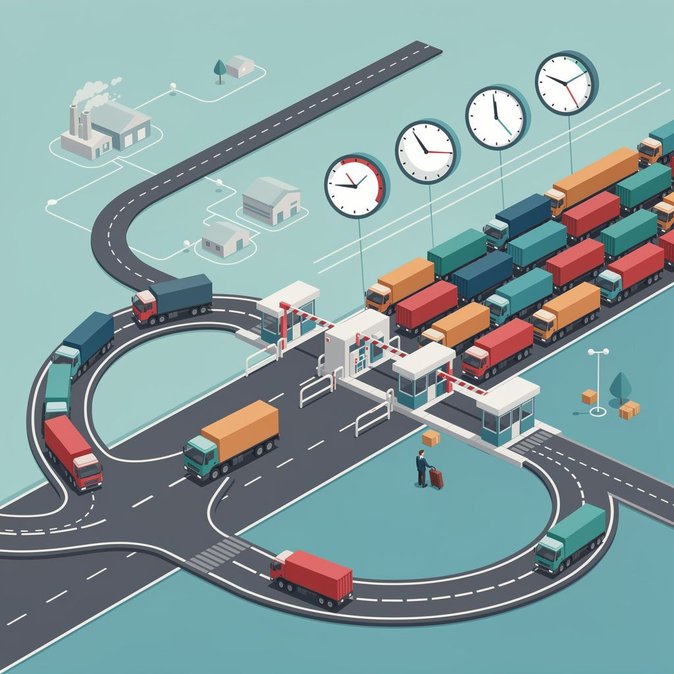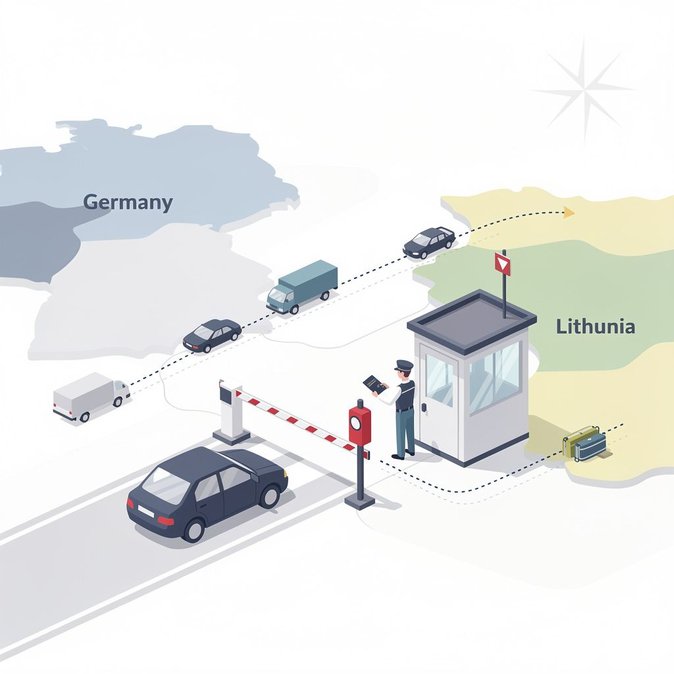
The European Commission updated its “Temporary Reintroduction of Border Control” register on 8 October, formally recording Poland’s decision to keep checks at its land borders with Germany and Lithuania in place until 30 March 2027. The measure, authorised by an Interior Ministry regulation on 1 October, cites “persistent migratory pressure” and the need to fight organised people-smuggling networks. Under Schengen rules, member states may re-introduce internal border controls for renewable six-month periods in response to serious threats. Poland has exercised the option continuously since July 2025, screening more than 4.5 million travellers and refusing entry to almost 2,500 people deemed irregular migrants or facilitators. The Commission’s listing is significant because carriers and mobility managers rely on the database to determine document checks for coach and rail passengers. Practically, travellers entering Poland by road or rail from Germany and Lithuania should continue to carry passports or national ID cards, and non-EU nationals must have valid visas or residence permits. Long-haul freight operators report 20- to 40-minute wait times at the Świecko, Olszyna and Budzisko crossings—delays that are expected to lengthen when winter weather sets in. For global mobility teams the extension means that intra-Schengen assignees transiting through Germany or Lithuania still face police spot-checks upon entering Poland. HR should brief employees on acceptable proof of Schengen residence (physical card or EU Digital Residence QR) and factor potential border delays into project schedules. Businesses moving sensitive cargo may wish to pre-book “green-lane” slots offered by the Polish Border Guard for Authorised Economic Operators (AEOs).