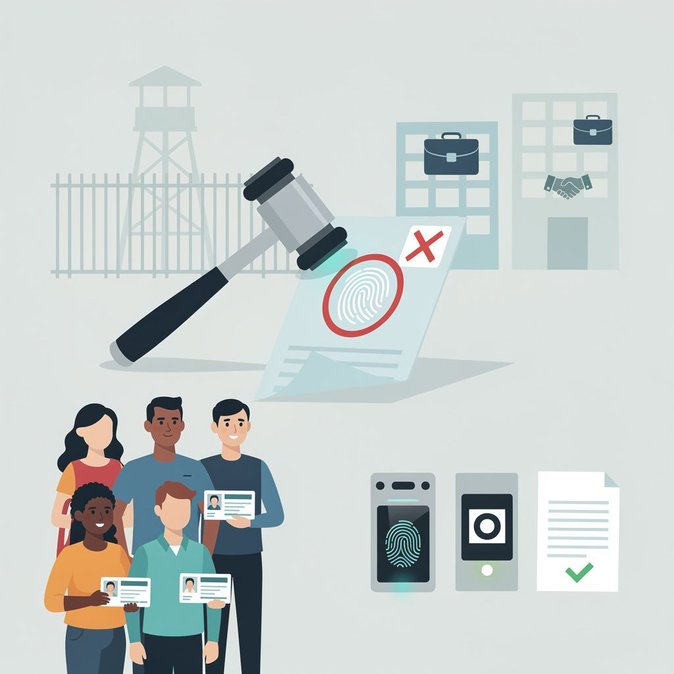
USCIS announced it assisted federal prosecutors in convicting former Ohio internist Yousif Abdulraouf Alhallaq of naturalization fraud after evidence showed he lied about a 2014 attempt to poison his pregnant girlfriend. A jury found that Alhallaq, who became a U.S. citizen in 2018, concealed the crime on his Form N-400 and during his naturalization interview. The conviction opens the door for the Justice Department to seek denaturalization and eventual removal. While individual fraud cases are not new, the timing is notable: on 9 October USCIS quietly updated internal guidance instructing officers to refer similar misrepresentation cases for revocation proceedings within 30 days. Mobility attorneys say the memo signals a broader enforcement push that could entangle executives and key specialists who obtained citizenship years ago. For global employers, the message is clear: past misconduct can boomerang into denaturalization years later, potentially jeopardizing security-clearance eligibility or triggering travel-document revocation. Companies should revisit background-check policies for naturalized employees in sensitive roles and have contingency plans if a team member suddenly loses citizenship status. Alhallaq faces up to 10 years in prison. If denaturalized, he could be placed in removal proceedings because his original H-1B status expired more than a decade ago. The case underscores how civil and criminal enforcement are converging in today’s immigration landscape.
Source: US Visa Policy