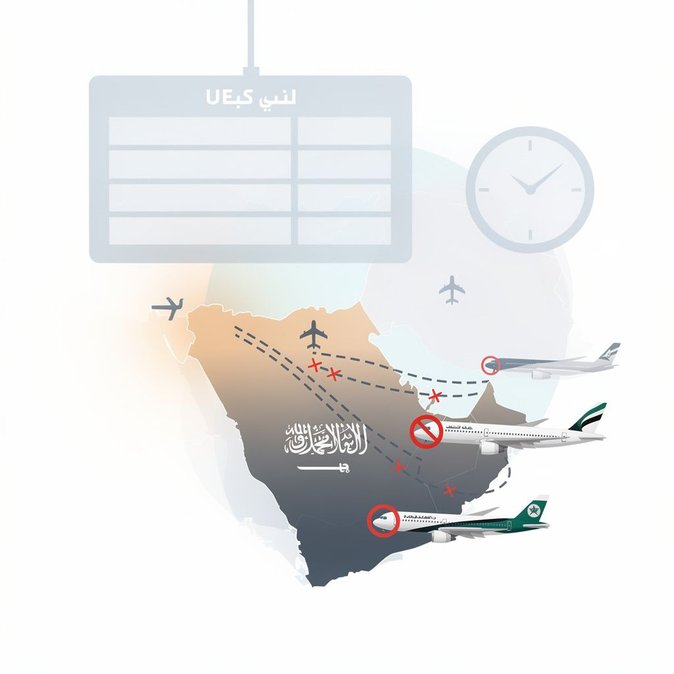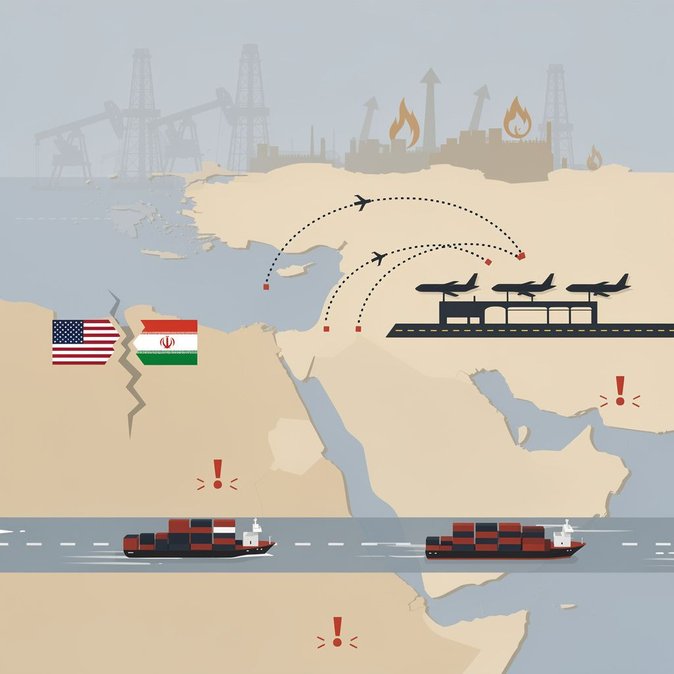
Gulf News’ 11 October briefing on the US-Iran conflict paints an increasingly complex risk picture for UAE-based travellers. While the Emirates itself remains calm, spill-over violence has already closed Riyadh airport and triggered flight cancellations across Jeddah and Dammam, affecting hundreds of Umrah pilgrims departing from Dubai and Abu Dhabi. Etihad’s latest advisory now lists disrupted services to three Saudi gateways between 11 and 13 October, and Emirates has admitted to “significant operational challenges” on its Jeddah trunk route. The report also flags maritime security concerns in the Strait of Hormuz and Bab Al Mandab following a US Navy operation against an Iranian-linked cargo vessel. For UAE corporates the implications are two-fold. First, travel to Saudi Arabia and possibly Bahrain or Kuwait may face rolling cancellations as insurers reassess war-risk premiums. Second, any escalation could push Brent crude prices further above the US$100 mark, inflating air-freight and business-travel budgets. The UAE Ministry of Foreign Affairs condemned the Riyadh attack but stopped short of issuing new domestic restrictions. Nevertheless, security consultants urge companies to activate crisis-management teams, verify employee locations, and brief staff on what to do if regional airspace is suddenly restricted. Pilgrims with bookings for the upcoming Umrah peak should liaise closely with tour operators, ensuring flexible tickets and hotel reservations that can withstand last-minute schedule upheavals.
Source: Gulf News