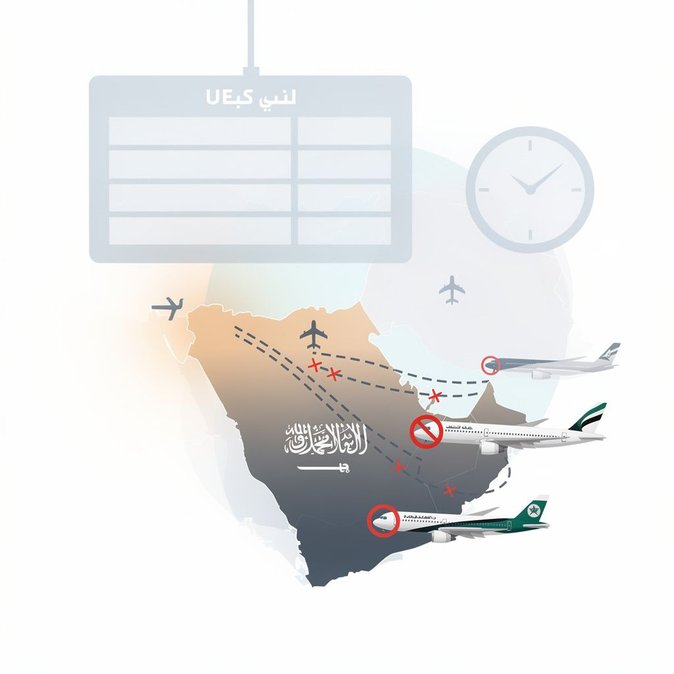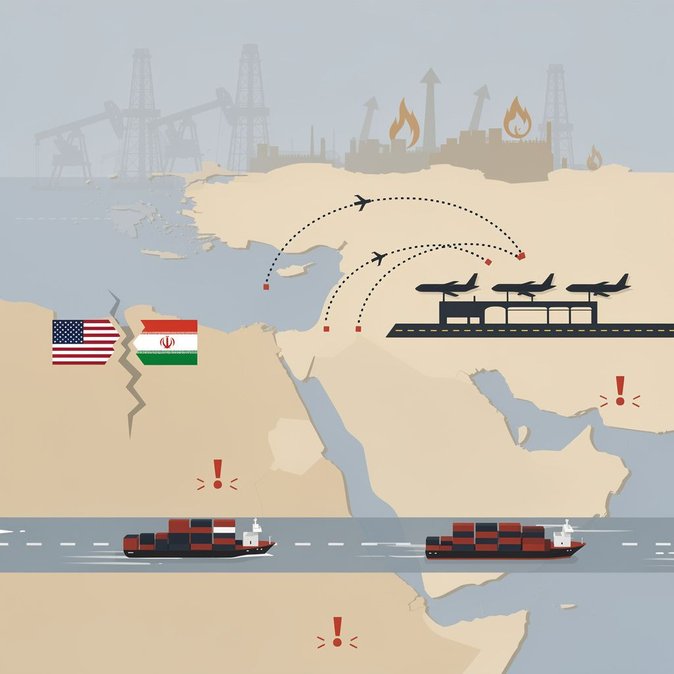
The deadly October 10 missile strike on Riyadh’s King Khalid International Airport is rippling through the UAE’s air-travel ecosystem. Within hours of the attack—which Saudi authorities say killed 12 people and injured more than 300—UAE carriers began scrubbing flights to the Saudi capital, citing operational uncertainty and the possibility of further strikes. Khaleej Times reports that Etihad cancelled eight Abu Dhabi–Riyadh rotations scheduled for 11–12 October, while flydubai extended its suspension of Dubai-Riyadh services until at least 14 October. Flightradar24 data show the airport closure has been extended to 21:00 UTC on 11 October, although Saudi regulators have yet to officially confirm. Travellers connecting through Jeddah or Dammam for business, family visits or Umrah have also been caught up in the disruption, with Emirates and Air Arabia warning of knock-on delays. For corporates, the immediate concern is stranded staff and supply-chain slippage. Consulting firm EY Middle East says at least 60 per cent of its Riyadh-based consultants commute weekly from Dubai; most have been told to work remotely until airlines restore a reliable schedule. Freight companies are equally jittery: several UAE-based logistics firms have shifted urgent road freight via the Al Ghuwaifat–Bathaa land border despite longer transit times. Insurance costs are climbing too. Regional broker Orient Insurance confirmed that war-risk premiums for flights crossing Saudi airspace surged 20 per cent overnight. If attacks continue, airlines may seek route alternations that add fuel burn and further compress already-tight winter capacity. Practical advice for travellers is simple but stark: re-confirm flights before leaving for the airport, expect last-minute gate changes, and build contingency time into itineraries. Companies with heavy KSA–UAE traffic should revisit duty-of-care protocols and make sure employees are registered with their national crisis-alert systems. The situation remains fluid, and analysts warn that any escalation of the broader US-Iran conflict would magnify the operational and insurance challenges now facing Gulf carriers.
Source: Khaleej Times