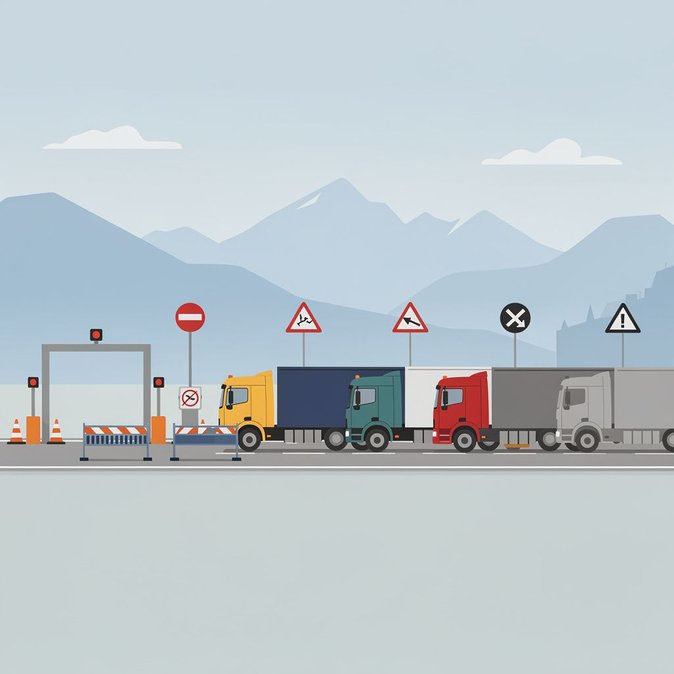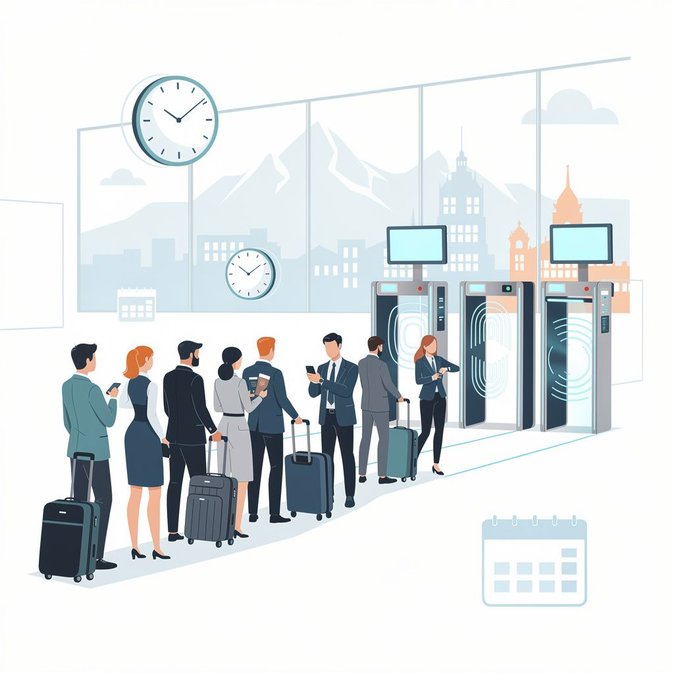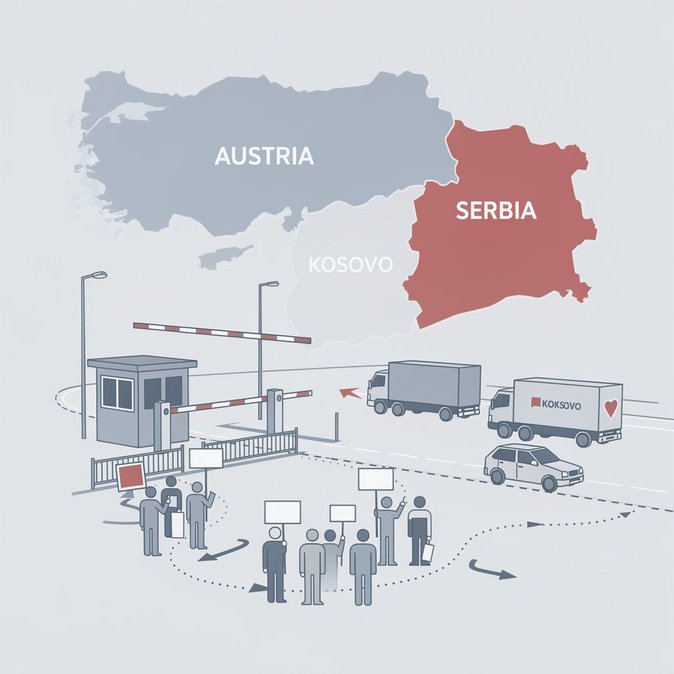
The Austrian Foreign Ministry (BMEIA) has issued a fresh update to its travel advice for Kosovo dated 11 October 2026. While the overall security level remains at “Sicherheitsstufe 2 – regional risk” for the Serb-majority north and “Sicherheitsstufe 1 – good security standard” elsewhere, the ministry highlights the possibility of large demonstrations in several cities over the coming days. Travellers are urged to avoid gatherings, follow local media and comply with police instructions. Of particular interest to cross-border commuters and business travellers is the reminder that individual border crossings between Kosovo and Serbia can be closed at short notice. Because Serbia does not stamp passports on entry from Kosovo, Austrians entering Kosovo directly and later seeking to leave through Serbia may be turned back unless they first entered via Serbia and still have a valid Serbian entry stamp. The advice therefore recommends planning itineraries carefully and requesting that Kosovan officials refrain from stamping passports if onward travel through Serbia is foreseen. For stays up to 90 days within a 180-day period Austrians remain visa-exempt, but must register their address with the local police within three days of arrival. The notice also reminds parents that unaccompanied minors require a notarised consent letter and supporting documents, and that Austrian ID-Austria digital identity cards are not yet recognised at Kosovan checkpoints. The ministry’s update comes as political tensions between Belgrade and Pristina have periodically flared this year. Austrian companies operating logistics routes through the Western Balkans should prepare contingency plans for temporary road closures and factor possible detours into delivery schedules. Employers with staff on short-term assignments in northern Kosovo may wish to review security protocols and verify evacuation procedures. Travellers should download the free “Auslandsservice” app and register their itinerary so they can receive real-time alerts should the security picture deteriorate. In practical terms, observers do not expect a complete shutdown of crossings, but queues and additional checks are likely. Businesses with time-critical shipments are advised to build extra buffer time into schedules or explore alternative routes via North Macedonia or Albania until the situation stabilises.