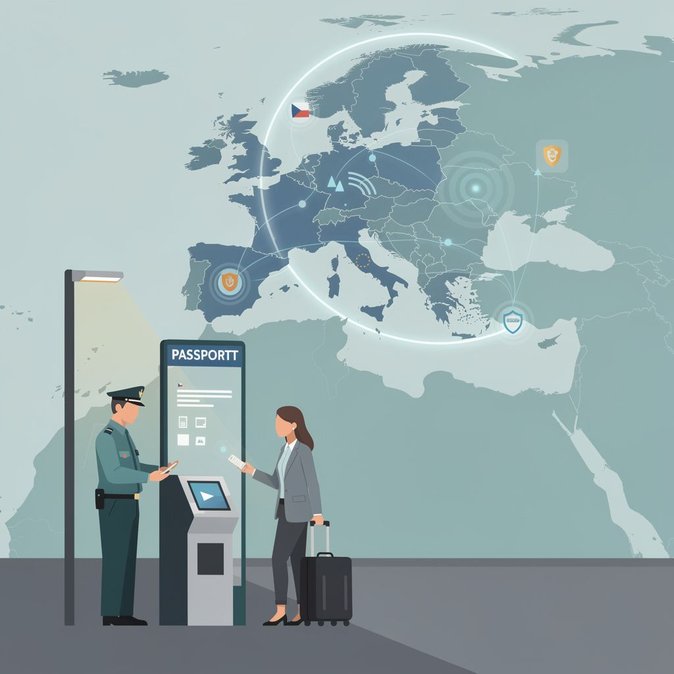
The Czech Ministry of Foreign Affairs confirmed on 14 October 2026 that Deputy Prime Minister and Foreign Minister Petr Macinka will travel to Rome for a two-day working visit from 15–16 October. According to the ministry’s press release, talks with Italian Foreign Minister Antonio Tajani will focus on mobility-related dossiers topping the EU agenda: the long-delayed reform of the Schengen Borders Code, coordination of consular services for EU citizens in crisis zones, and joint efforts to streamline work-permit recognition for highly-skilled professionals. Beyond the political programme, Minister Macinka will hold a round-table with Czech companies operating in Italy’s automotive-design and defence-engineering clusters. These firms employ hundreds of rotating Czech expatriate specialists whose residence-permit renewals have reportedly been slowed by regional labour-office backlogs. Prague hopes the meeting will pave the way for a bilateral memorandum on faster permit processing—an outcome that would directly benefit Czech multinational HR departments managing short-cycle Italian assignments. The delegation will also meet Czech soldiers seconded to NATO’s Allied Joint Force Command in Naples and visit the CSIRT cyber-security incident-response hub, reflecting the growing intersection between mobility and digital-security policy. A community reception at the historic Nepomucenum College will give the estimated 6 000-strong Czech diaspora in Italy a chance to raise consular concerns, including passport-renewal lead times and ETIAS implementation. For mobility managers the visit is worth tracking: any progress on mutual recognition of professional qualifications or Schengen governance could ripple quickly through intra-EU travel rules. Macinka will brief the press upon return; the MFA says outcomes will be published in its online Diplomatic Dispatch, making it advisable for global-mobility teams to monitor updates early next week. The trip underscores Czechia’s active role in shaping Europe’s post-pandemic people-flow architecture. With Brussels pushing for EES/ETIAS go-live stress-tests in early 2027, smaller member states such as Czechia are seizing bilateral channels to ensure that new controls do not hamper their citizens’ freedom to work and do business abroad.