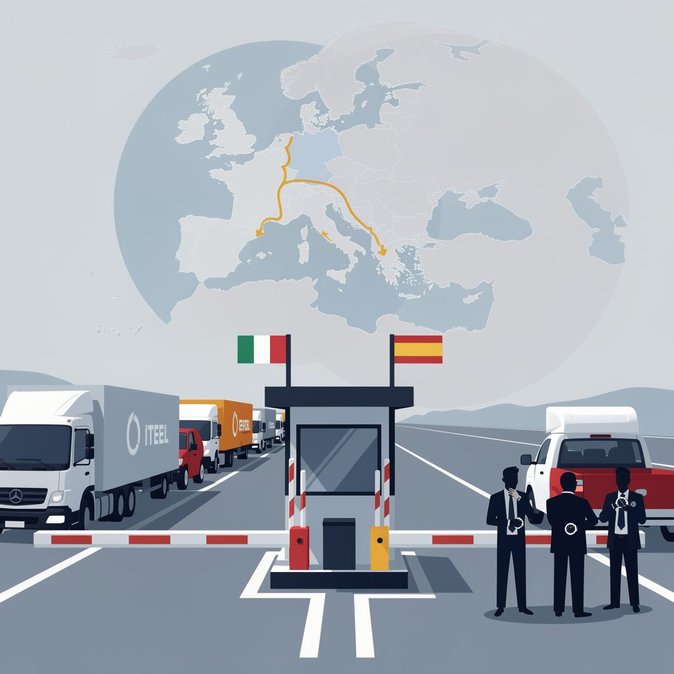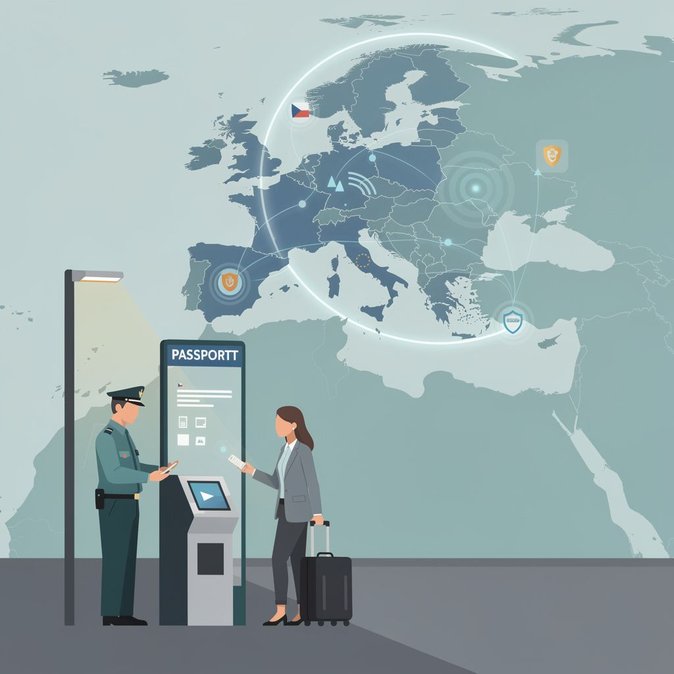
The European Commission confirmed on 14 October that a new category of "information alert" will be activated in the Schengen Information System (SIS) from 15 October 2026. The upgrade will allow Czech border police—as well as their counterparts in 30 other Schengen states—to upload intelligence received from trusted third-country partners and international organisations about suspected terrorists and serious criminals and to share it instantaneously with all front-line officers. SIS is already the most frequently consulted EU security platform, recording more than six billion searches a year. For Czechia, its terminals are integrated into police patrol cars, Prague-Václav Havel Airport gates and mobile devices used by foreign-police units on the country’s land borders with Poland and Slovakia. The new alert type, backed by Europol, will allow officers to detain or at least question individuals who were previously invisible to the system because they were not subject to an arrest warrant or entry ban. The change comes as Czech airports brace for heavier passenger flows during the autumn conference season and the Christmas market peak. Prague Airport reported queues of up to 45 minutes at non-Schengen arrivals last month after the Entry/Exit System (EES) went live. Police Presidium officials told Czech Radio that the additional SIS functionality will not slow down processing because it is “run in the background” of existing ID-document scans, but they acknowledged that officers will require updated briefings on handling information alerts. For Czech employers moving staff across the EU, the main implication is stricter secondary checks for third-country technicians, consultants and project managers. Mobility teams should review travel histories and ensure that any employees who have worked in conflict zones can evidence legitimate reasons for previous trips. Relocation providers are also advising clients to budget extra time for land-border crossings in the eastern regions, where police have less experience with the new message types. In the longer term, Prague supports the Commission’s plan to interconnect SIS with Europol’s new de-confliction platform, arguing that a common data backbone is cheaper than unilateral upgrades of national watch-lists. The Ministry of the Interior will present its implementation report to the Chamber of Deputies’ Security Committee next month.
Source: The Brussels Times