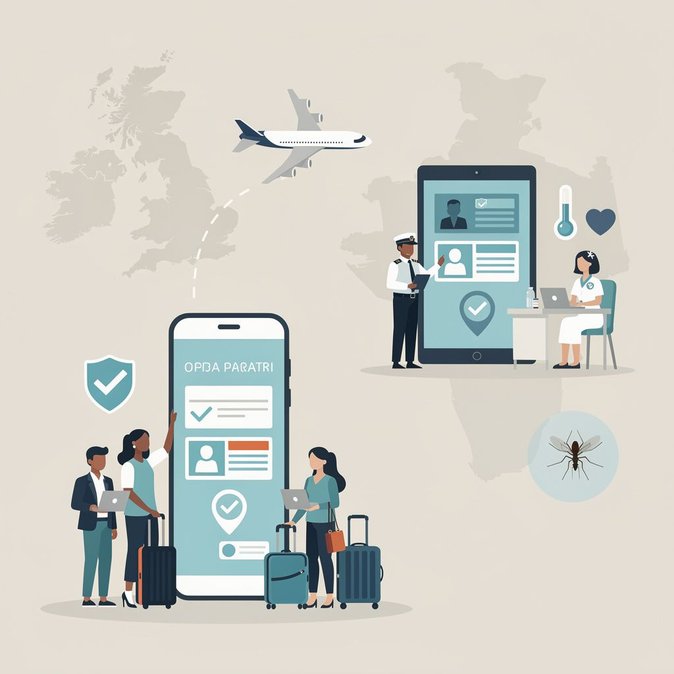
The UK Foreign, Commonwealth & Development Office (FCDO) issued its latest travel-advice update for India on 16 October 2026, refining sections on entry permits, trekking safety and health precautions. While classified as “minor amendments”, the notice formally recognises India’s mandatory e-Arrival Card system, in force since April, and reminds visitors that Inner Line Permits (ILPs) are required for parts of Arunachal Pradesh, Nagaland, Manipur and Mizoram. For business travellers, the update clarifies that diplomatic and official passport holders must now upload a copy of their Note Verbale when completing the e-Arrival Card—a change that has caught several delegation members off guard in recent weeks. The FCDO also added a caution about ‘express permit agents’ near the Nepal and Bangladesh borders who charge inflated fees for ILPs that can otherwise be obtained online at a fraction of the cost. On health, the advisory incorporates recent Indian guidelines on dengue outbreaks in Maharashtra and Kerala, recommending that UK nationals secure comprehensive insurance covering vector-borne diseases and evacuation. It also references Air Suvidha 2.0’s expanded screening for Ebola at 13 airports and seaports. Border-control compliance remains tight ahead of India’s peak winter travel season. Airlines have begun denying boarding at the point of origin for passengers lacking the e-Arrival QR code, regardless of visa status. UK travel managers sending employees to Indian project sites should include the card in pre-flight checklists and budget extra time for ILP applications where applicable. The FCDO stressed that the risk rating for most Indian destinations is unchanged but urged travellers to monitor local media and subscribe to email alerts for further updates.