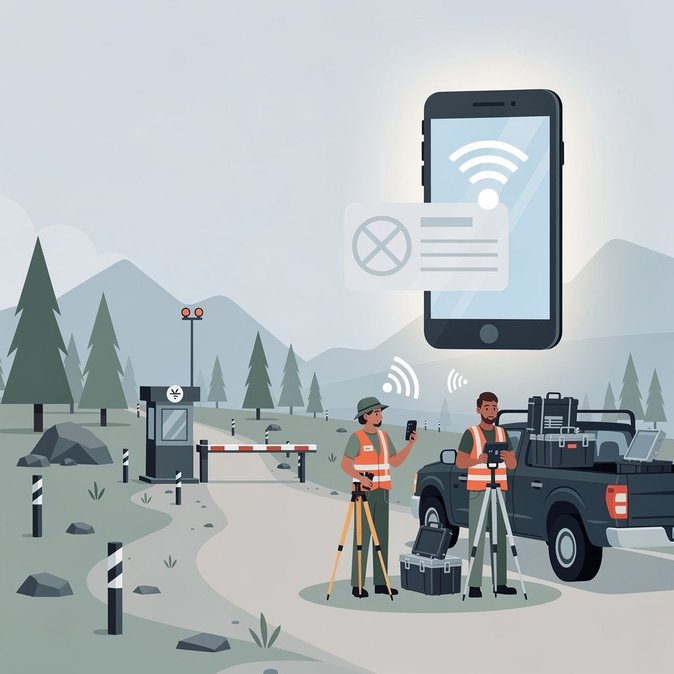
Travellers who cross the Canada-U.S. border in isolated areas will soon follow a new procedure. An update posted to the NEXUS/CBSA website on October 18 confirms that the long-running Remote Area Border Crossing (RABC) permit program will be discontinued on December 1, 2026. In its place, Canada Border Services Agency will require travellers to report by telephone before entering at designated remote points. RABC permits currently allow pre-approved Canadian and U.S. residents—such as anglers, cottage owners and researchers—to enter Canada without stopping at a staffed port of entry. The planned change aligns the program with modern trusted-traveller technology and CBSA’s broader move toward mobile and digital reporting tools. Existing permits will remain valid until November 30; no new applications are being accepted. For business travellers conducting fieldwork or servicing infrastructure in northern Ontario and Manitoba, the switch means adjusting logistics. Companies will need to brief employees on the new phone-in procedures, ensure they carry required identification and plan for potential hold times if cellular coverage is weak. CBSA has promised detailed guidance and regional stakeholder sessions in the coming weeks. The agency says the overhaul will improve security by enabling real-time traveller screening while reducing administrative overhead. U.S. Customs and Border Protection operates a similar phone-in system for certain remote Alaska crossings, suggesting bilateral coordination. Organisations with ongoing RABC-dependent operations—such as hydro-electric utilities and mining firms—should audit current travel schedules and update risk assessments ahead of the December transition date.
Source: CBSA / NEXUS update