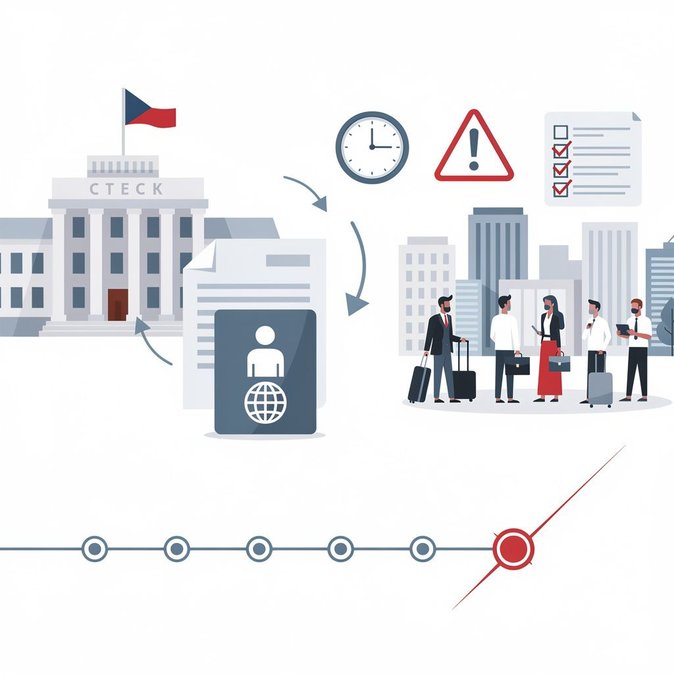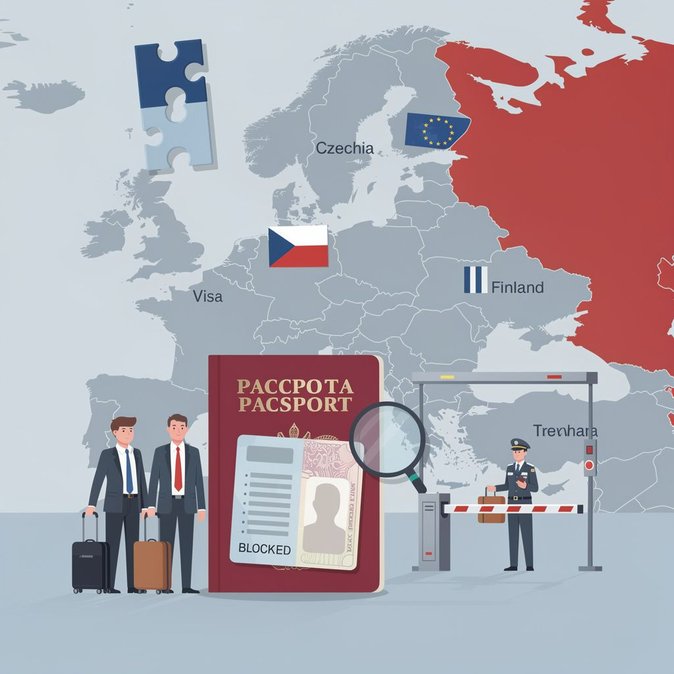
Czech foreign minister Petr Macinka confirmed after the 19 October cabinet meeting that Prague will not join Finland’s latest initiative to suspend the issuance of non-essential Schengen visas for Russian citizens. Macinka argued that the Czech Republic has maintained some of the strictest national restrictions in the bloc ever since Russia’s full-scale invasion of Ukraine, and therefore sees no need to duplicate measures at EU level. Under existing Czech rules, tourist and other non-urgent visas for Russian applicants have been suspended and entry is possible only in narrowly defined humanitarian or family circumstances. Nevertheless, Russians can still reach Czech territory by entering through neighbouring Schengen states, something Helsinki wants to curb by pushing for a coordinated EU stance. In an open letter, Finnish foreign minister Elina Valtonen warned that recent sabotage attempts and other hybrid operations allegedly orchestrated by Moscow require tougher, bloc-wide controls. Macinka countered that a previous Estonian-led declaration with the same objective failed to attract a qualified majority and that “reality shows most member states don’t want such blanket restrictions.” He insisted Czechia would instead “remain vocal” in encouraging more reluctant countries to align with Prague’s already-strict practice. Opposition leaders in the Czech parliament immediately criticised the decision, saying it weakens EU unity and ignores growing intelligence warnings about Russian activities in Central Europe. For corporate mobility managers the divergence signals continued fragmentation of Schengen visa policy. Russian employees or clients who still possess valid multi-entry visas issued by more permissive member states may theoretically transit Czech territory, but the risk of refusals at the border remains high. Companies should therefore review travel itineraries, ensure business-critical visits satisfy Czech exemption categories, and prepare for possible last-minute checks or denials. Longer-term, the dispute highlights limits of EU coordination ahead of next year’s full launch of the ETIAS travel authorisation system. Unless consensus can be found, multinational firms may face a patchwork of national derogations, complicating compliance and duty-of-care planning for staff with Russian citizenship.
Source: ČeskéNoviny.cz