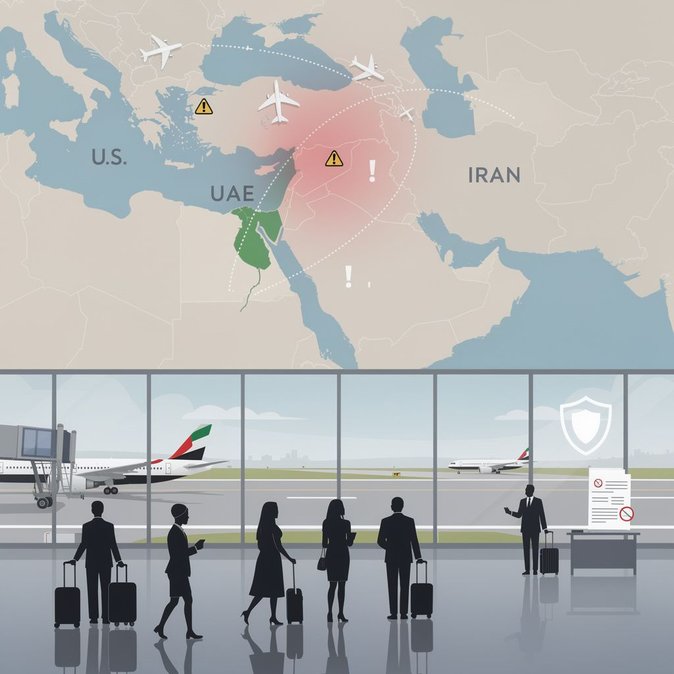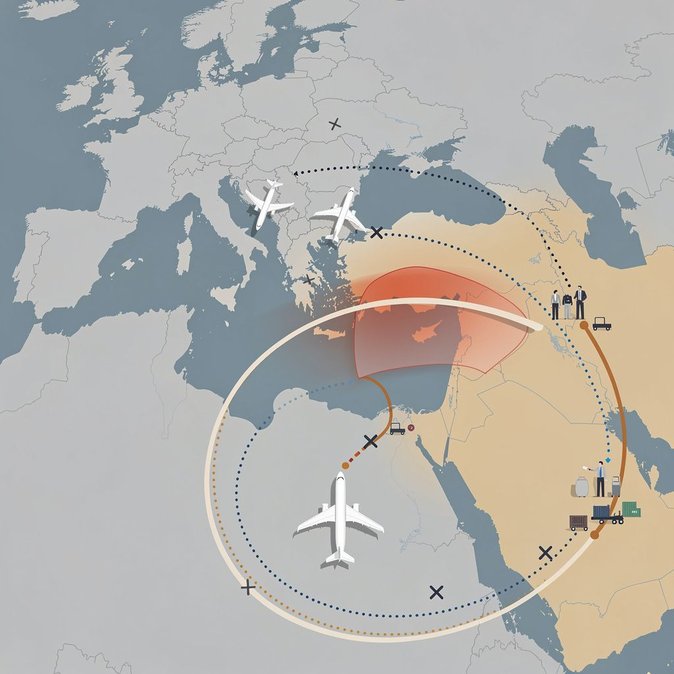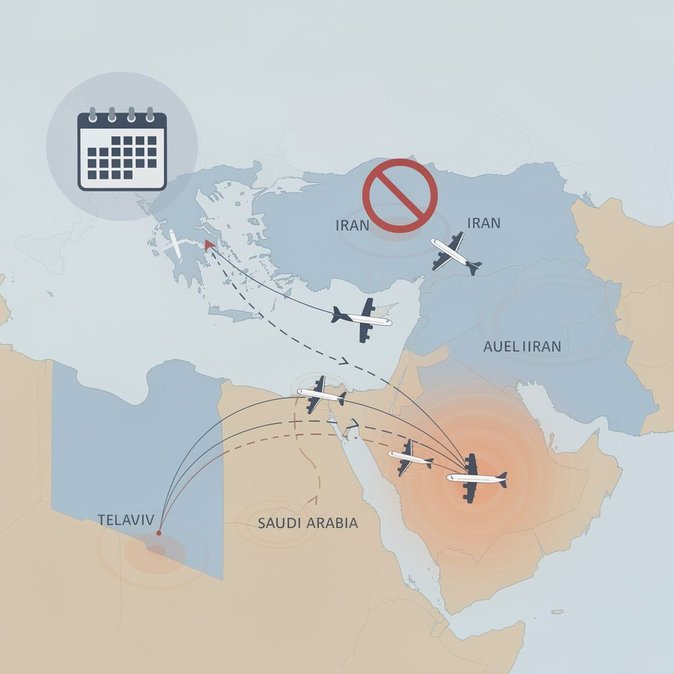
Gulf News’ daily conflict-tracker for 12 November distils the fast-moving US–Israel–Iran confrontation into practical guidance for people living, working or transiting the UAE. While UAE air-space remains open, Iranian-operated flights are still suspended and Emirates/flydubai connections to Tel Aviv are on hold. The article underscores that Saudi routes face the most turbulence: Etihad has cancelled Riyadh and Dammam flights through 19 November and Emirates continues to trim its Saudi schedule. The piece reminds readers that regional maritime incidents – including a projectile strike on a VLCC in the Gulf of Oman on 10 November – can push oil and air-freight insurance premiums higher, cascading into ticket surcharges and cargo delays. It notes that the European Union Aviation Safety Agency’s conflict-zone bulletin covering Iran, the UAE and neighbouring states runs at least until 16 November, so airlines will keep contingency routings in place. For expatriate employers, the advice is to double-check bookings daily, brief employees on possible last-minute gate changes, and maintain emergency call-trees. The report also flags security protocols: do not photograph missile debris, follow official social-media channels, and keep travel documents handy should rapid evacuation become necessary. Oil-price data help contextualise why aviation spares, fuel hedging and ultimately fares remain volatile. Brent futures dipped to US$91 as extra Gulf output returned, but analysts warn that any further tanker attacks or escalation around the Strait of Hormuz could reverse the trend overnight. In essence, the bulletin translates geopolitical headlines into actionable mobility steps: monitor airline apps, build extra time into regional itineraries and stay alert to EASA or GCAA NOTAMs that could close corridors at short notice.
Source: Gulf News